

Articles
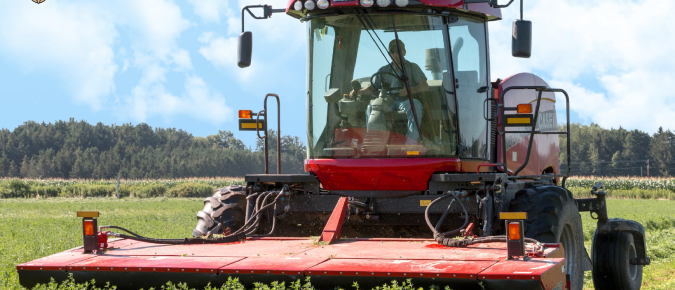
Managing Ground Pressure and Soil Compaction in Forage Harvest
See how tire pressure, axle load, equipment weight, and vehicle choice affect soil compaction management during forage harvest to protect soil health and yield.
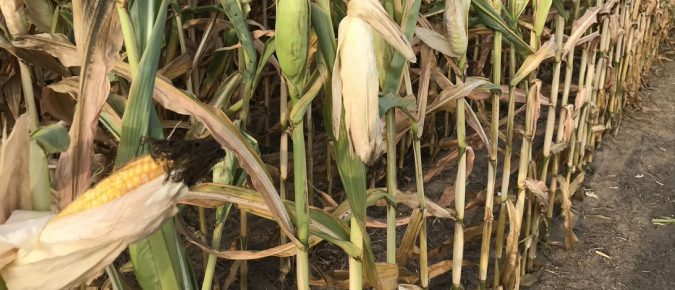
Corn plant density for maximum grain and silage production
The plant density that maximizes corn grain and silage yield has been increasing through time. The economic optimum plant density is a function of corn yield and quality responses, seed cost, and grain or silage price. The economic plant density is lower than the plant density that maximizes yield.
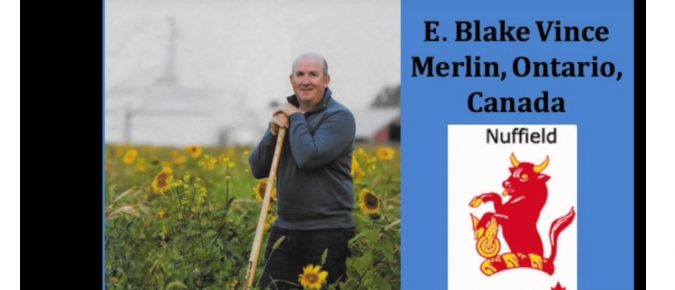
2019 Wisconsin Cover Crops Conference Keynote
https://youtu.be/auNX–rgz9I
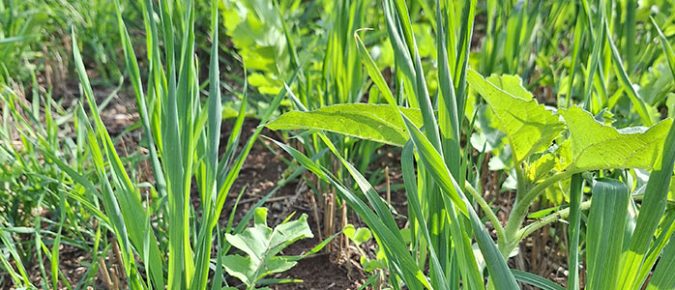
Cover Crops 101
Seeding rates, seeding depths, and timing of planting are among the topics discussed in this illustrated, easy-to-read guide that introduces the benefits of cover crops.
Managing Soil Compaction at Planting and Harvest
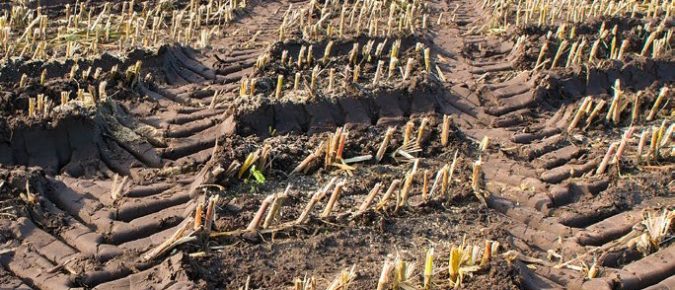
This publication explains how wet planting and harvest conditions create soil compaction in Wisconsin fields, how to recognize surface and subsoil damage, and how moisture levels, axle loads, and tire pressure influence rutting and density. It outlines practical prevention and repair options using controlled traffic, tillage, and cover crops.
Planting Corn for Silage after a First-cut Alfalfa Harvest
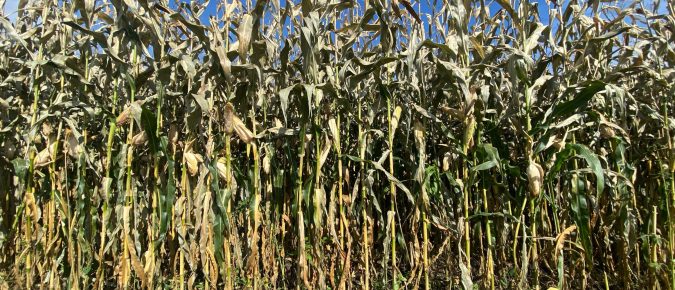
Introduction It’s early May, you’re looking at a rather marginal alfalfa stand, the haylage silo is nearly empty, and you generally use some corn silage in the dairy ration. Here are the options: What are the advantages and disadvantages of each option? With Option 1, you give-up all alfalfa production on the field for the current […]

2018 Wisconsin Cover Crops Conference Keynote
https://www.youtube.com/watch?v=nP5IEclSz_I
Managing Volunteer Wheat in Late-Summer Seeded Alfalfa
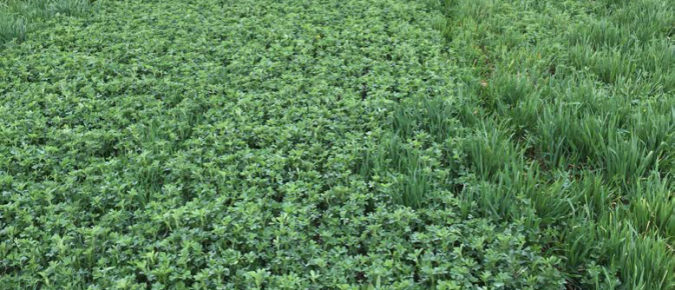
wheat seed not collected in the combine becomes a weed and impacts alfalfa establishment and productivity, especially in no-till and reduced-till fields. Previous research in Wisconsin has shown that volunteer wheat can reduce alfalfa density by up to 50%, resulting in shorter alfalfa stand life and reduced forage quality the following spring.
Comparison of Relative Forage Quality (RFQ) toRelative Feed Value (RFV)
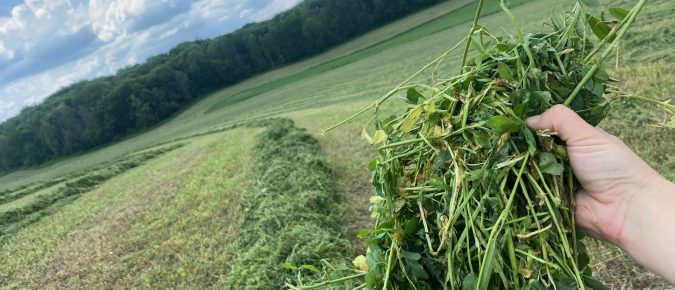
We introduced Relative Forage Quality as an improvement to RFV in 2002. We released the term to better estimate energy and intake and to do it in accordance with NRC Nutrition Requirements for Dairy Animals released in 2001.
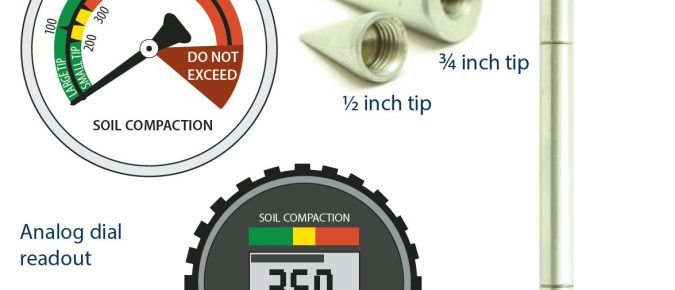
Proper Use of Cone Penetrometers for Detecting Soil Compaction
This publication explains how cone penetrometers are used to detect soil compaction in field soils, describing key parts such as the cone shoulder and how tip size affects readings. It clarifies what a 300‑psi cone index means, how soil moisture changes resistance, and how to identify shallow versus subsoil compaction for accurate field assessment.