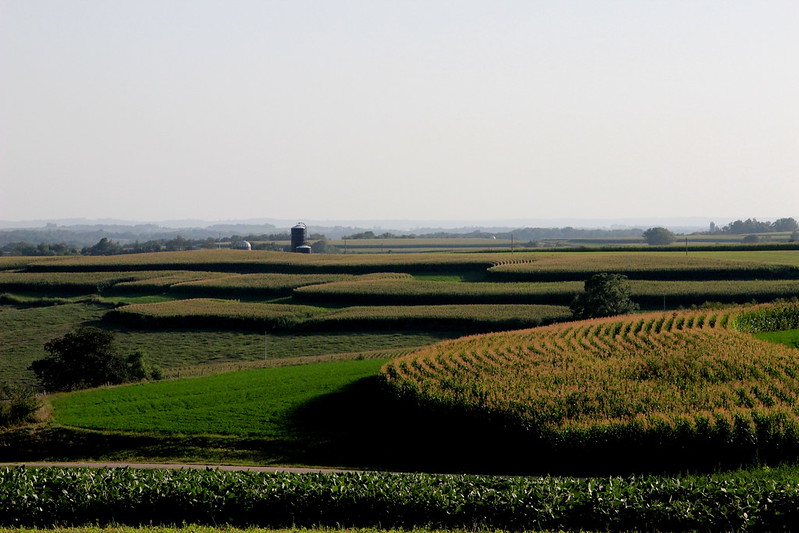
In this fourth episode of the BMPs of NMPs, Hava Blair and Andrea Topper join host Landon Baumgartner to unpack how Wisconsin’s diverse soils and sensitive land features shape farming practices. They explore the unique challenges of regions like the Driftless Area, Central Sands, and Silurian bedrock zones, and explain common restrictions such as setbacks near water bodies, wells, and wetlands.
Rubens Diogo, a postdoctoral research associate in the Ané Lab, UW–Madison Department of Bacteriology, shares groundbreaking research on enhancing biological nitrogen fixation (BNF) in corn.
Lindsey Hartfiel explores how nitrogen moves through soil and water systems, the impact of agricultural practices, and the importance of data-driven decision-making to mitigate nitrogen leaching.
Dr. Matt Ruark, UW–Madison soil and nutrient cycling extension specialist, dives into the value and limitations of nitrogen response curves in on-farm research.
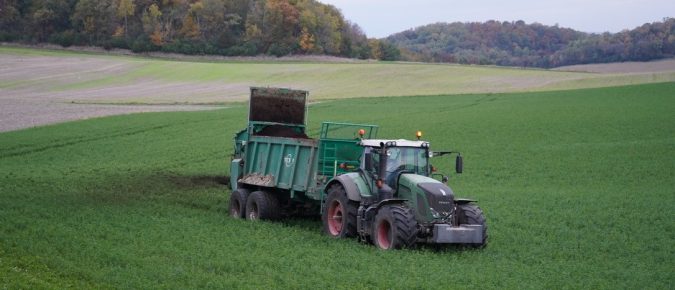
Hava Blair walks through using two powerful tools for planning and managing manure applications in Wisconsin: SnapPlus Version 3 and the Runoff Risk Advisory Forecast.
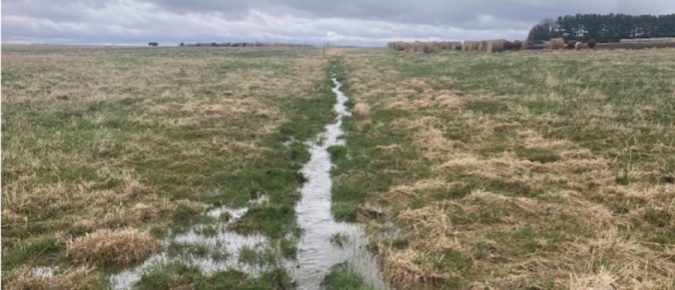
Dr. Francisco Arriaga explores how manure affects soil hydrology, phosphorus runoff, and organic matter levels.
Kevin Erb covers trends in manure application, transportation risks, dragline safety, spill containment procedures, and regulatory requirements.
Lindsey Rushford, nitrogen optimization program outreach specialist with UW–Madison Extension, provides updates on the Nitrogen Optimization Pilot Program (NOPP) for 2025.
Jerry Clark, regional crops educator, presents findings from the first year of a statewide research project evaluating Maximum Return to Nitrogen (MRTN) rates for corn grain and silage following manure application.