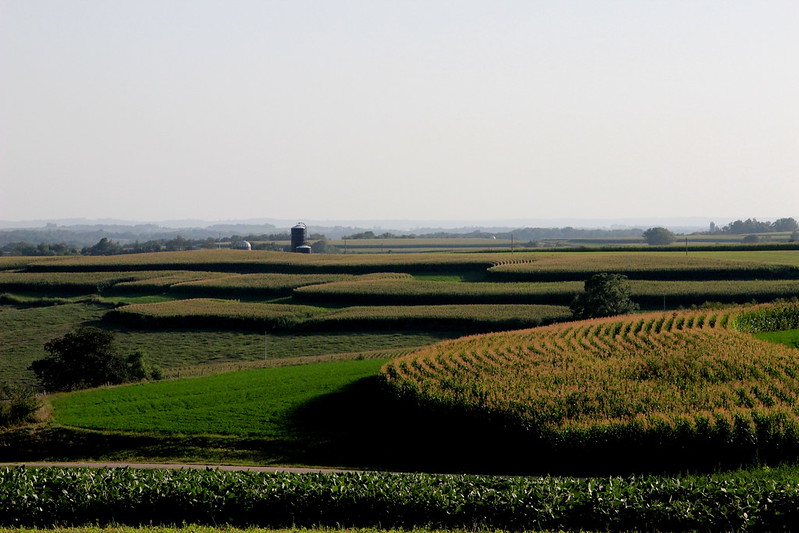
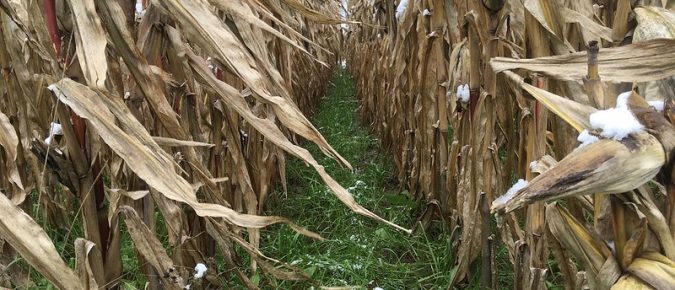
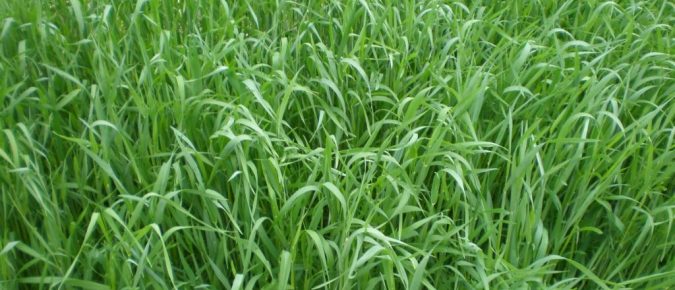
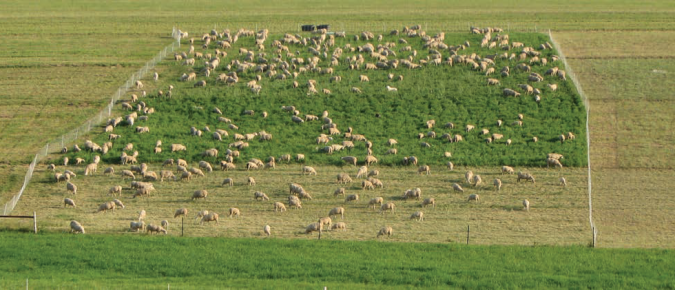
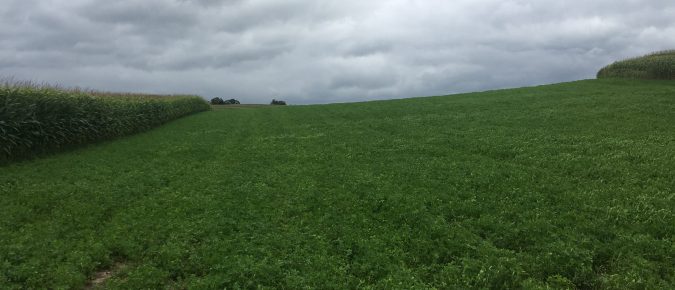
Cover crops can provide many benefits for the soil in crop productions systems. Benefits can include conserving soil and water as well as improving the soil. Reduced Erosion An obvious effect of growing cover crops is covering the soil surface, which can significantly reduce the potential for wind and water erosion. This is particularly true […]
Interseeding (Drilling or broadcasting early season into standing crop) Establishing cover crops after corn and soybeans is a challenge in Wisconsin due to the minimal amount of growing season left after harvest. Interseeding a cover crop during the vegetative growth of these crops provides Wisconsin farmers a cover crop establishment method earlier in the season. […]
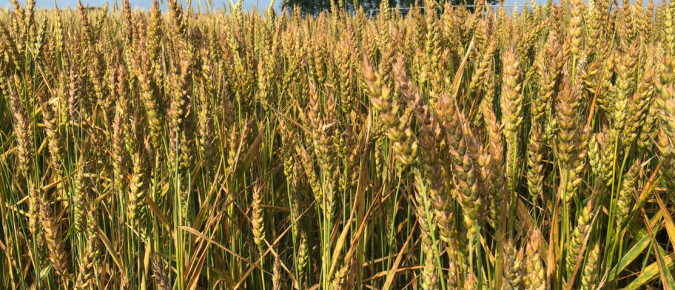
Wisconsin’s short growing season doesn’t provide a lot of time for growing cover crops. However, the early harvest of winter wheat allows an excellent window for cover crops to grow, protect the soil and provide other benefits. Cover crop recommendations typically change depending on where you are in Wisconsin but because of the early harvest […]
This Wisconsin pasture fertility guide has tips and tricks for soil sampling and explains how to interpret soil test to know the ideal amount of soil nutrients for nitrogen, phosphorus, potassium, and lime based on those results. This guide’s soil nutrient recommendations help improve pasture fertility and reduce nutrient losses.
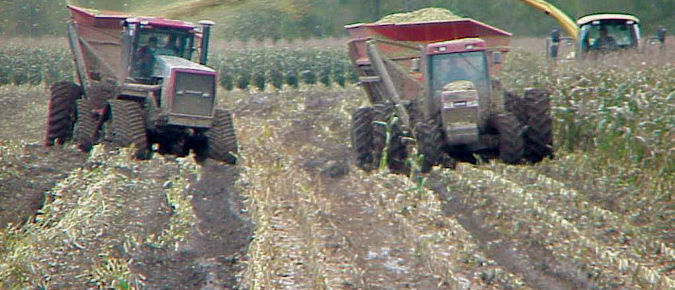
This publication describes the causes and effects of soil compaction, explains how to recognize symptoms in Wisconsin soils and crops, outlines practical diagnostic tools such as penetrometers and bulk‑density tests, and provides management strategies to reduce compaction from heavy equipment, improve drainage, and protect long‑term soil health.
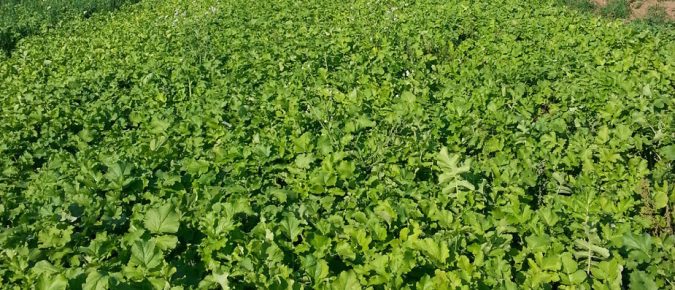
This publication summarizes current research and management guidance for using radish as a summer‑planted cover crop in Wisconsin. It explains seeding windows, growth characteristics, nitrogen uptake, and observed agronomic effects, providing evidence‑based context for when radish is beneficial and when it may offer limited value in crop rotations.
Beginning in 2007, Wisconsin has a new lime recommendation program. Will this increase or decrease the lime rates that are being recommended? Neither. In some cases the recommendations may be a bit lower and in some cases higher, but the new system will more accurately assess the level of acidity in the soil and lead […]