

Home » 🍓 Organic Transition Resource Toolkit » Organic Transition Resource Toolkit – Grains
Organic Transition Resource Toolkit – Grains
Grain Transition Resources
Organic Grain Resource and Information Network, OGRAIN
A program sharing research, resources, and programming to support organic grain production in Wisconsin and beyond.
Contact: Kelly Debbink, OGRAIN Outreach Specialist: kelly.debbink@wisc.edu
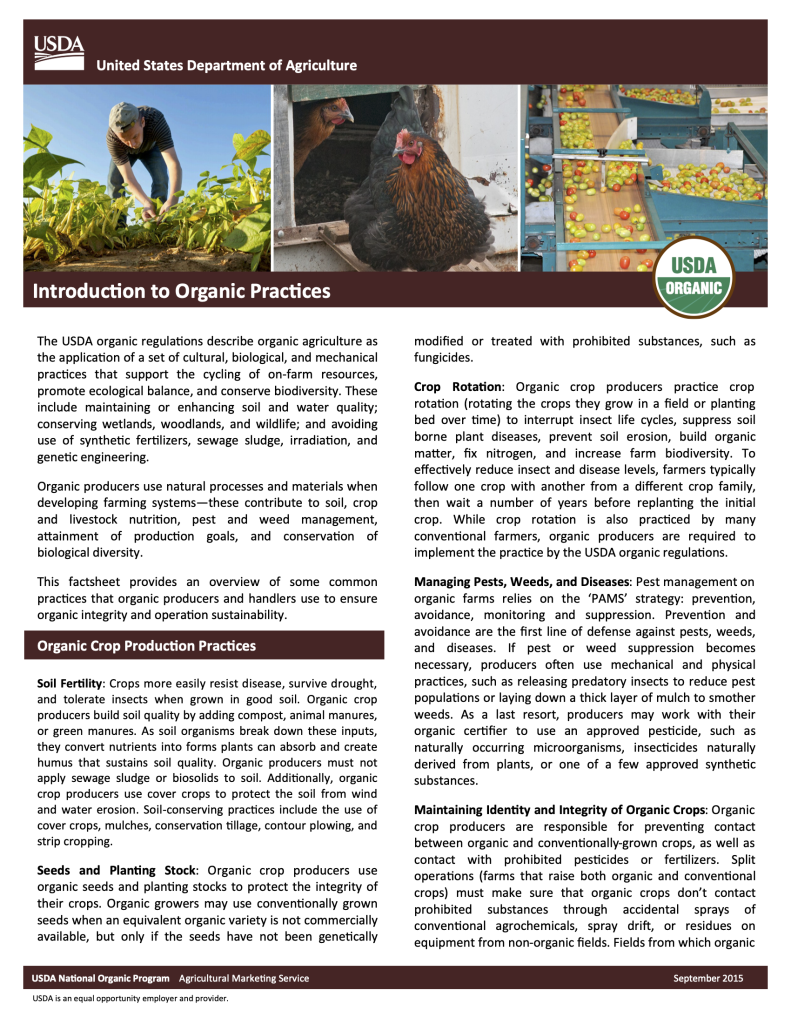
Introduction to Organic Practices, USDA AMS
A factsheet detailing common organic crop and livestock practices, including topics like soil fertility, seed selection, crop rotation, and more.
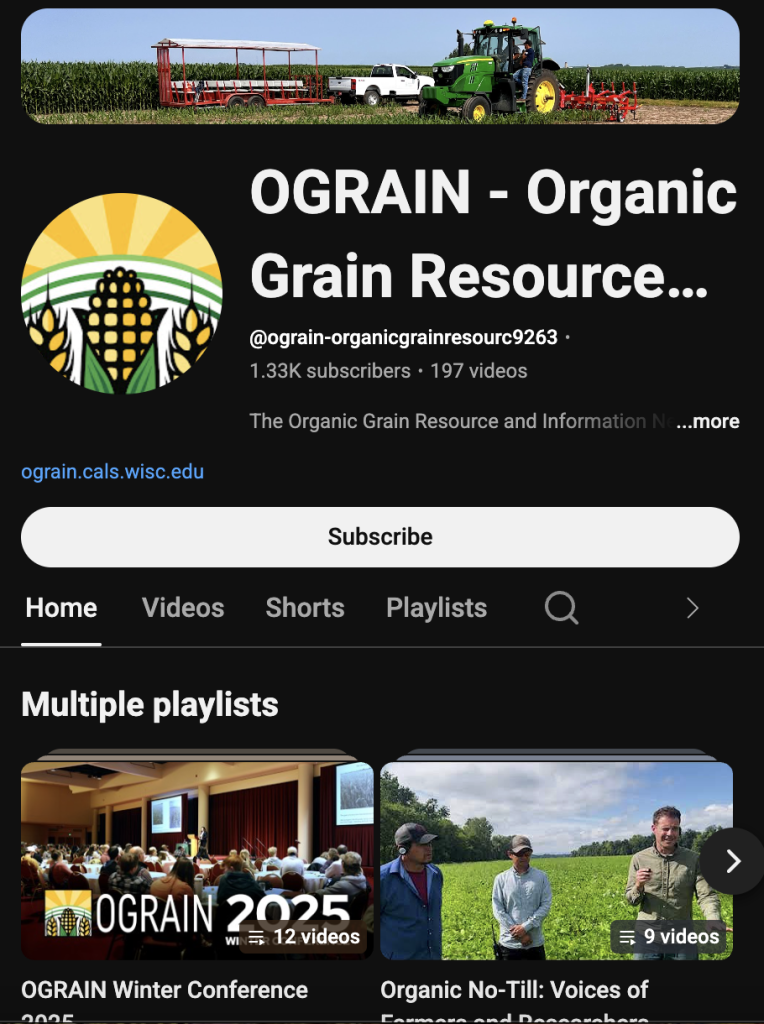
OGRAIN YouTube Channel, OGRAIN
A one-stop shop for videos about organic grain production, including conference presentations, live demonstrations, and farmer interviews
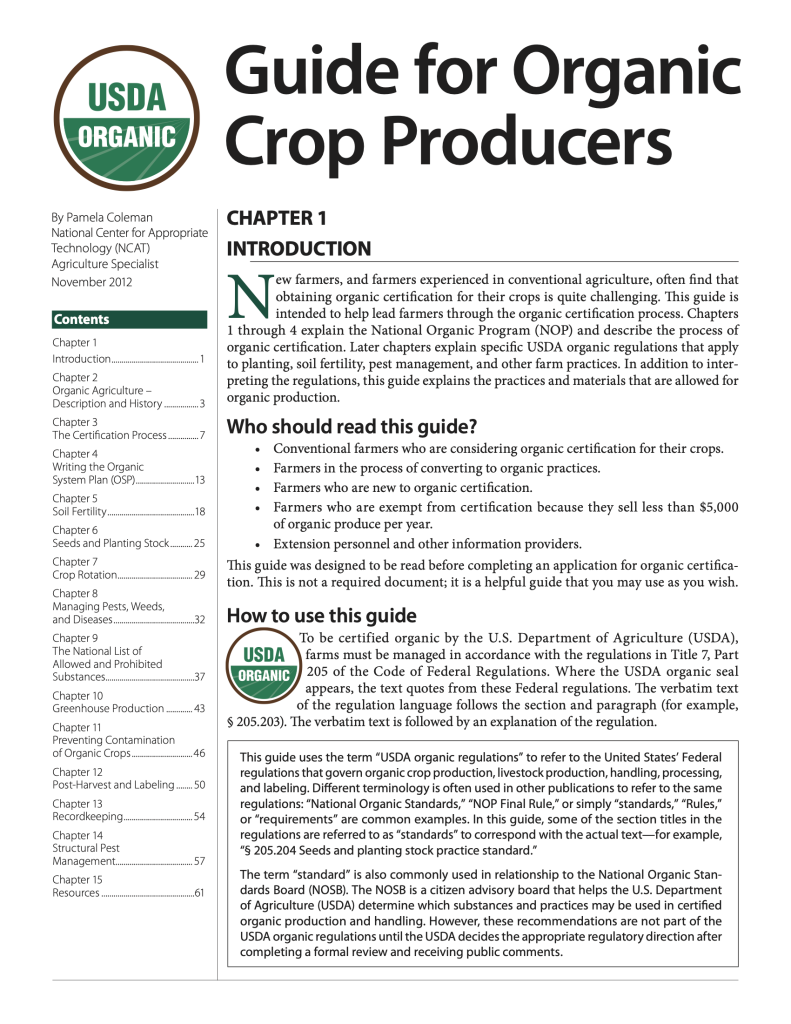
Guide for Organic Crop Producers, USDA
A comprehensive guide to the process of organic certification, USDA organic regulations, and allowed practices and materials
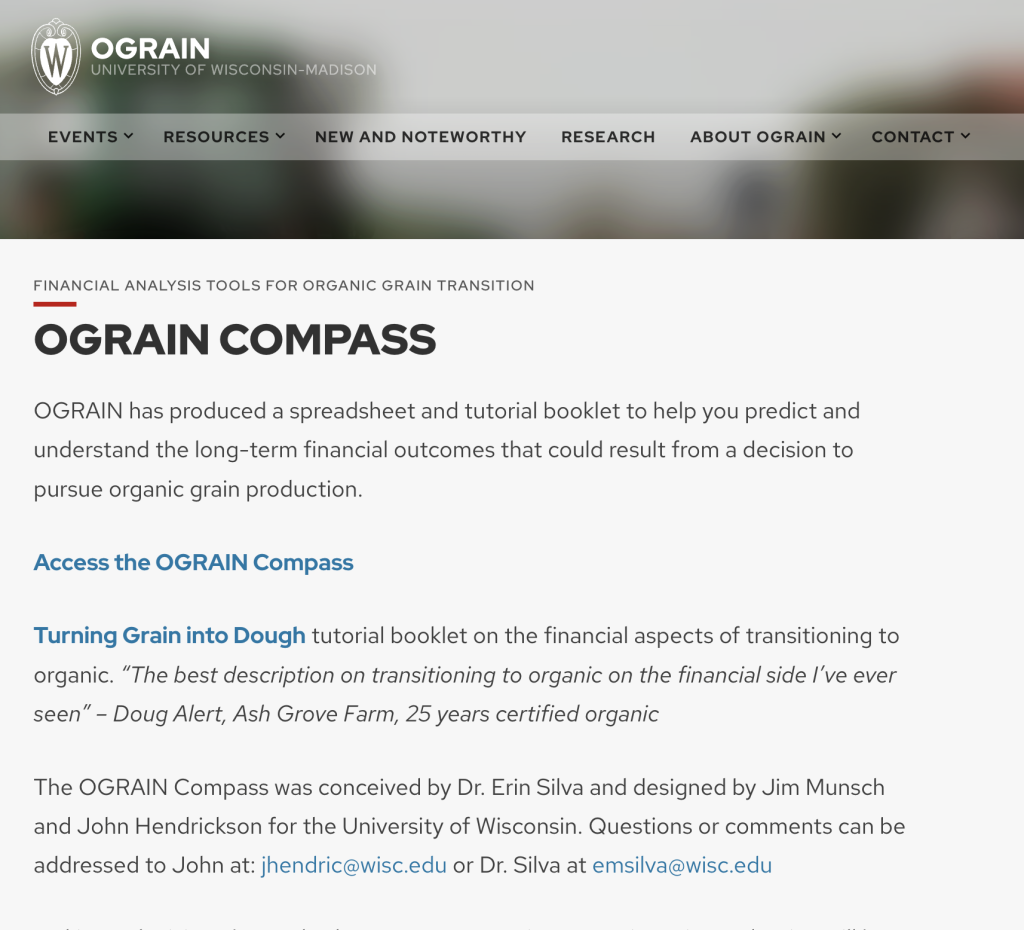
OGRAIN Compass Tool, OGRAIN
A spreadsheet tool and tutorials helps users to predict and understand the long-term financial outcomes that could result from a decision to pursue organic grain production.
Organic Crop Production Standards
The USDA National Organic Program (NOP) creates and enforces a national set of standards for organic production. A certified organic farm or facility must be compliant with these regulations, which can be found in detail in 7 Code of Federal Regulations (CFR) 205.
“Land must have had no prohibited substances applied to it for at least 3 years before the harvest of an organic crop.“
“Operations must use organic seeds and other planting stock when available.”
“Soil fertility and crop nutrients will be managed through tillage and cultivation practices, crop rotations, and cover crops, supplemented with animal and crop waste materials and allowed synthetic materials.”
“Crop pests, weeds, and diseases will be controlled primarily through management practices including physical, mechanical, and biological controls. When these practices are not sufficient, a biological, botanical, or synthetic substance approved for use on the National List may be used.”
“The use of genetic engineering, ionizing radiation and sewage sludge is prohibited.”
USDA AMS “About the Organic Standards“