

Hops
HOPS
Crop Profile
Get Involved!
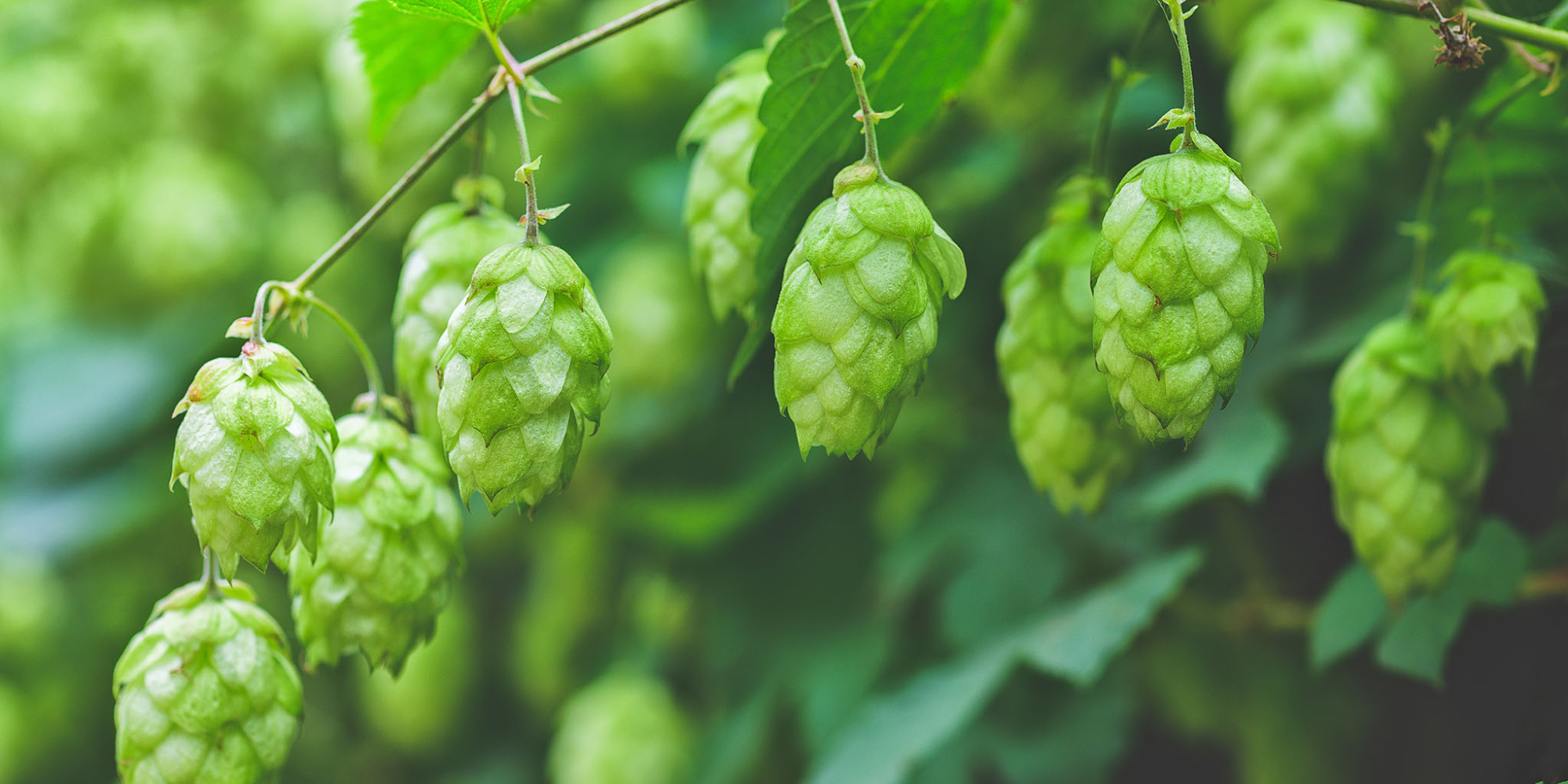
Hop (Humulus lupulus) is a vine plant in the Cannabinaceae family producing harvested cones primarily used for aroma and flavoring or bittering in the brewing industry. Hop is often described as producing annual shoots (known as bines) on perennial crowns. Hop is indigenous to much of the Northern Hemisphere with origins in Europe as documented being planted in 736 A.D. in Bavaria. The first record of hop production in America dates to 1648 in Massachusetts to supply to the first commercial brewery.
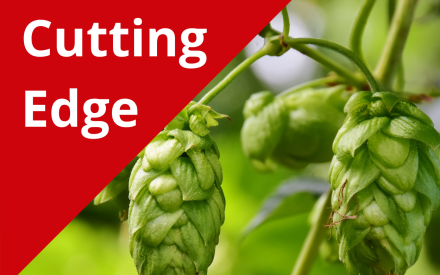
Hop cultivars are grown to meet distinctive flavors and aromas desired by brewers in which an almost endless combination of styles and specialty beers can be developed. The cones contain a yellow powder called lupulin which harbors alpha acids as well as many oils. These acids and oils are what provide the aroma and flavoring for brewers.
Hop is grown on an extensive trellis system often reaching over 20 feet. Many different trellis system designs are used in hop production and all consist of poles, cabling, anchors, and biodegradable twine (coir). The twine is used to allow the hop bine to climb as higher yields are recorded with taller bines.
Interest increased in locally-grown hops with an expansion of the customer base through growth in the craft brewing sector. New hop growing regions including Wisconsin are being resurrected as smaller hop farms seek to meet the demand for high quality local hops.
Production
Hop is a vegetatively propagated perennial that is grown on an elaborate trellis system. Hop plants are typically grown from rhizomes or small plantlets from softwood cuttings. Plants are dioecious and cone production only occurs on female plants.
Trellis systems can be constructed using utility poles to a desired height of 18-20 feet. Poles are spaced 30-40 feet apart within rows with plants spaced 30-36 inches apart. Rows are 12-16 feet apart, depending on the size of harvest equipment. Wire is strung along the top of the poles and twine is suspended from the wire to the base of each plant to allow bines to climb. Each string supports two to three bines per plant. All other bines that emerge from the crown are removed throughout the season. Plants are irrigated and fertilized via drip irrigation.
Hop takes at least three years to reach full production. Hop is harvested from mid-August to mid-September depending on the variety. Entire plants are cut down and cones are mechanically harvested. Hand harvest is only practical on hop yards smaller than 1/2 acre with many helping hands. Cones are then dried in a kiln, baled, and pelletized into 1/4 inch pellets. Pellets are vacuum sealed and nitrogen flushed into Mylar bags and frozen until sold. Plants yield an average of 1-2lbs of dried cones, with an acre yielding ~1000-2000lbs.
Hop plants are susceptible to several pests and diseases. Aphids, Japanese beetles, potato leaf hoppers, and spider mites are the most damaging insects, while the most common pathogens are downy mildew and powdery mildew. Disease resistance is an important consideration when choosing cultivars. Various pest and disease management strategies are available to both conventional and organic growers.
You can find many resources for more detailed information on hop production on this webpage.
Research Status and Priorities
The University of Wisconsin does not have a research hop yard and relies on grower cooperators for research. Current research priorities include disease management strategies and nitrogen fertility trials. More information on these topics can be found in the Resources in Information section below.
Michigan State University is doing breeding and agronomic research on multiple aspects of hop production. Current priorities include evaluating different cover crop treatments between rows and their affects on soil quality, soil nitrogen levels, hop leaf nitrogen and weed control. They are also comparing low-trellis systems for use with semi-dwarf cultivars to high-trellis systems by looking at yield, cone quality and market potential for organic hops.
Markets
Most hops grown in Wisconsin is sold to local breweries through grower co-ops. Grower co-ops have established relationships with breweries that want locally grown hops and offer ready markets for small scale hop producers. Selling to grower co-ops has the added advantage of access to shared processing and storage equipment to turn freshly picked hops into pelletized hops, the form most used by breweries. Grower co-ops in Wisconsin include Wisconsin Hop Exchange, Gorst Valley Hops, and Wisconsin Hops and Barley Co-op.
Plant Material
Sourcing pathogen-free hop plants and selecting appropriate cultivars are important for establishing a healthy hop yard. When choosing cultivars, consider characteristics such as disease resistance, yield, and cone quality, as well as market demand. Michigan State University Extension provides information on selecting cultivars and lists plant suppliers. For more information on sourcing and propagating plants, visit UW-Madison’s Wisconsin Clean Hops Program website.
Resources and information
Read
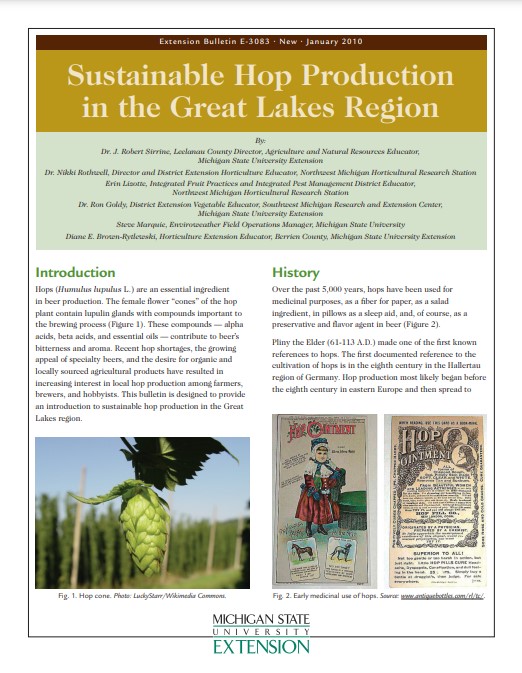
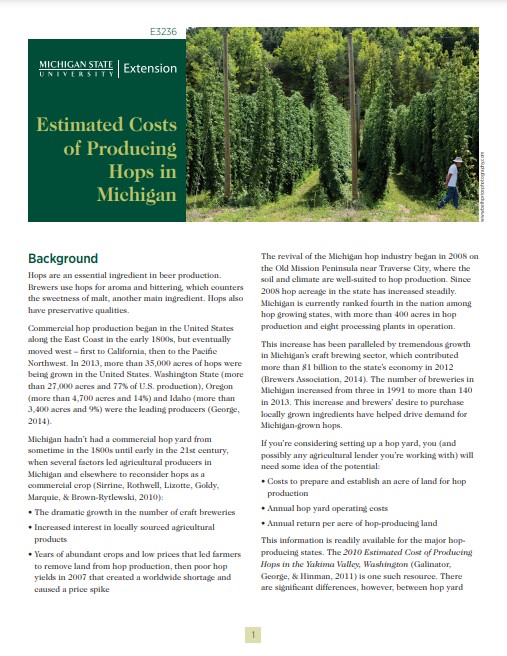
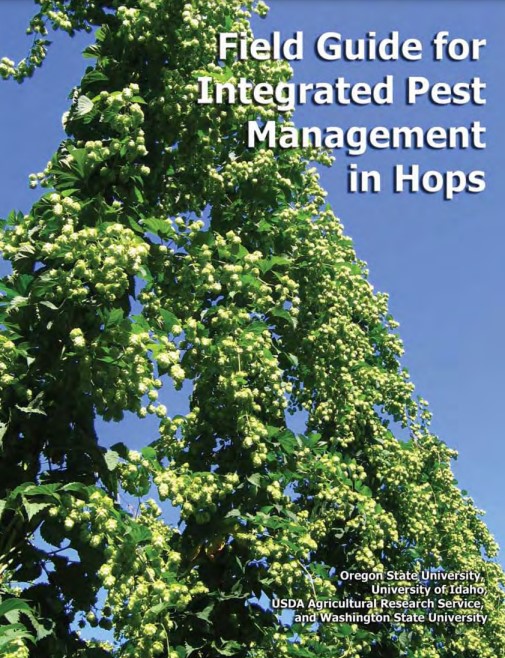
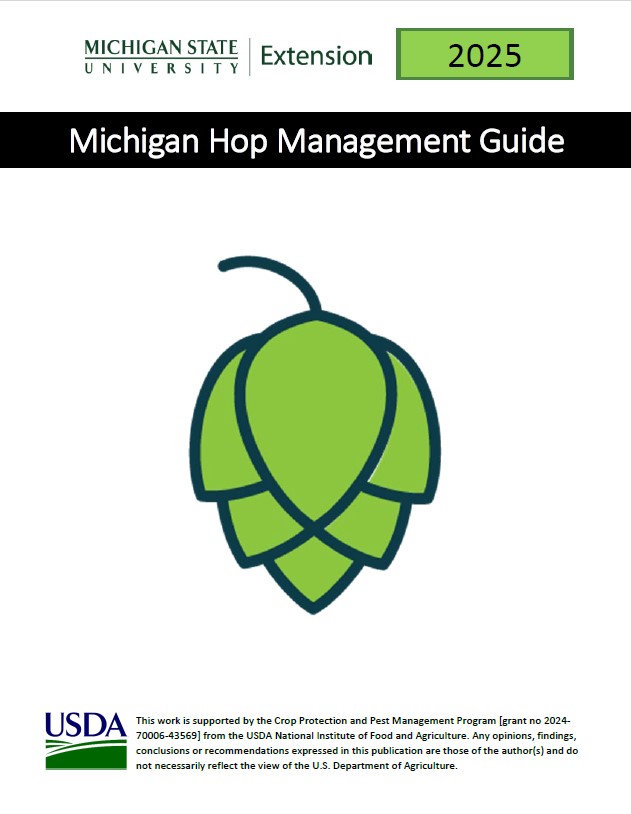
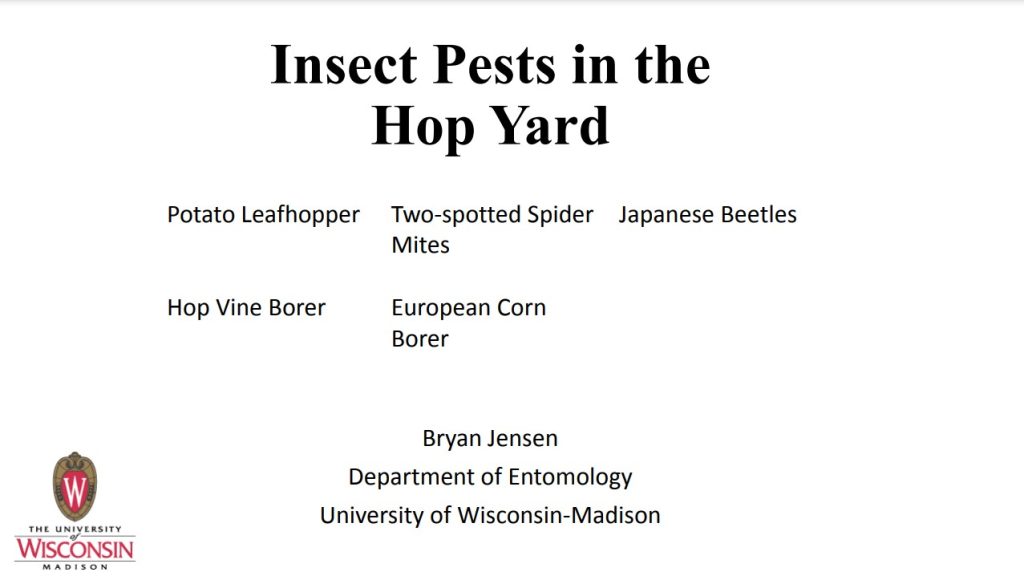
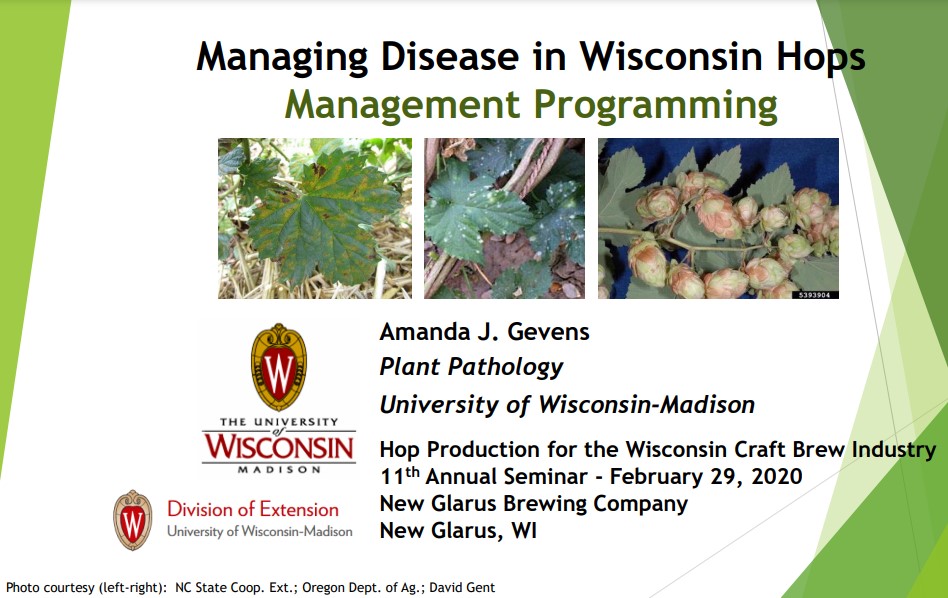
Included below are select presentations from past Wisconsin Annual Hops Conferences. You can find a comprehensive list of presentations on the UW-Madison Extension – Buffalo County website. Michigan State University Extension also has a wealth of additional information on hops for Upper Midwest growers including an online class on hop production.




Watch
In addition to the videos below, Michigan State University Extension has a series of informative videos on hop production.
Bob and Jim Conant (Tomah, WI)
Simple Earth Hops, Wisconsin Hop Exchange, Gorst Valley Hops, The Grumpy Troll Brewery, Vintage Brewing Co
Heather Darby (University of Vermont Extension)
Rob Sirrine (Michigan State University Extension) and Brian Tennis (Michigan Hop Alliance)
Listen
In addition to The Cutting Edge episodes below, be sure to check out Michigan State University’s Hop Podcast.
More Resources
Michigan State University Extension
Minnesota Hop Growers Association
Oregon State University
University of Vermont
University of Wisconsin-Madison Extension – Buffalo County
Wisconsin Brewers Guild
Wisconsin Clean Hops Program
Wisconsin Hop Exchange