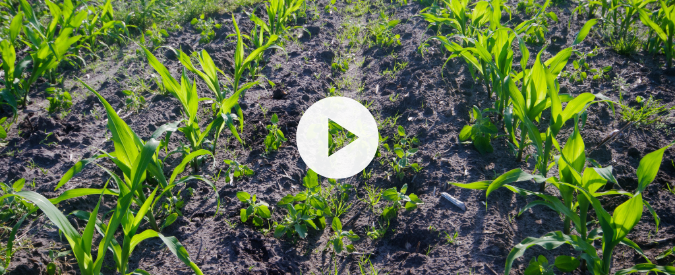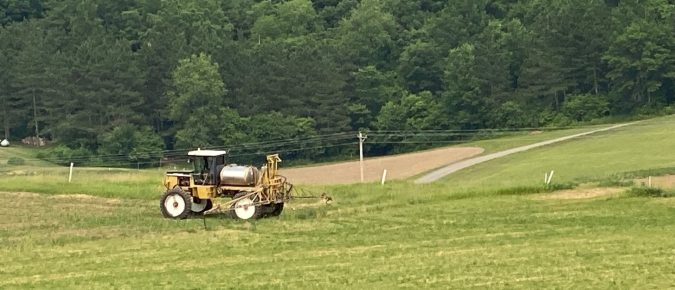
▶ Watch: Considerations for post-planting herbicide applications
The May 22 Badger Crop Connect session features Dr. Rodrigo Werle, Associate Professor & Extension Specialist of Weed Science.
Division of Extension

Extension specialists and educators provide timely information on management of weeds, insects and disease in Wisconsin cropping systems.
The May 22 Badger Crop Connect session features Dr. Rodrigo Werle, Associate Professor & Extension Specialist of Weed Science.
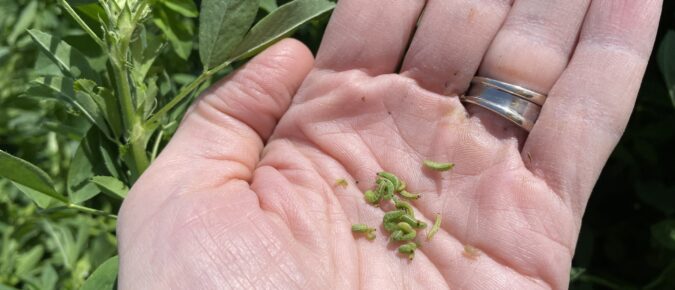
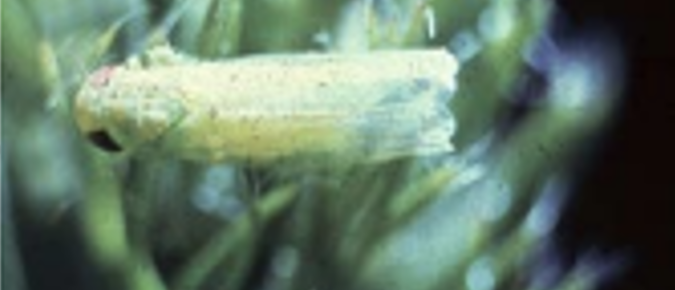
Alfalfa is a valuable forage crop in Wisconsin that supports dairy and livestock production. Alfalfa can be threatened by the alfalfa weevil (Hypera postica), an early-season pest that feeds on alfalfa leaves and may severely damage first-crop and second-crop alfalfa fields.
The May 8 Badger Crop Connect session features Dr. Emily Bick, an Assistant Professor of Precision Pest Ecology & Extension Specialist for Field & Forage Crops at UW—Madison.
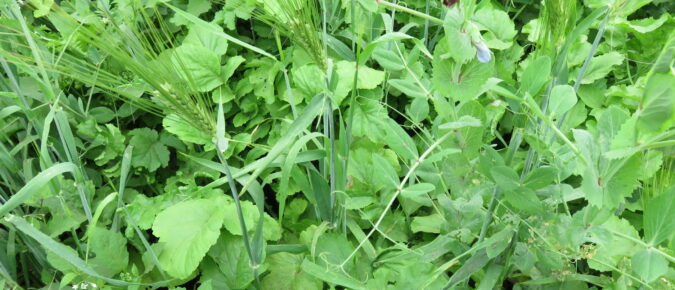
A researcher’s perspective. This is one of a nine-part video series on the basics of planting corn and soybean into a green living cover crop. In this video, Dan Smith, Extension Nutrient and Pest Management program manager, and Rodrigo Werle, an associate professor in the UW–Madison Department of Plant and Agroecosystem Sciences and Extension weed […]
This publication provides a starting point of reference when considering using cover crops following herbicides in the cropping system. It outlines rotational intervals for many commonly used herbicides in Wisconsin. However, it is important to note that this article does not replace the information provided on herbicide labels. What is a rotational interval? The rotational […]
The October 11, 2023 Badger Crop Connect session features discussions by Krista Hamilton, Entomologist with the Wisconsin Department of Agriculture, Trade, and Consumer Protection, Dr. Emily Bick, Assistant Professor of Entomology and Extension Specialist for field crops and precision pest ecology, and Josh Kamps, Regional Crops Educator with UW-Madison Division of Extension for Rock, Walworth, and Jefferson Counties.
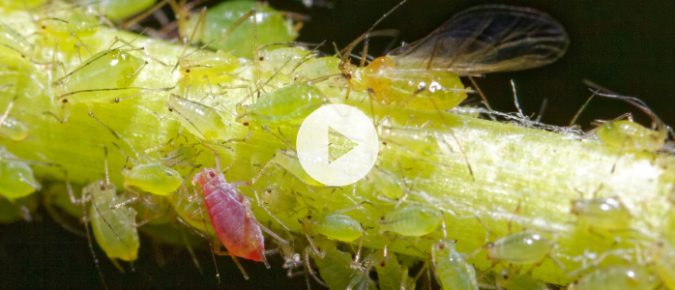
Potato leafhopper (Empoasca fabae) is a serious economic pest across multiple cropping systems such as all types of beans, clover, apples, and potatoes. Alfalfa is a valuable forage crop widely cultivated for its high protein content and ability to fix nitrogen into the soil.
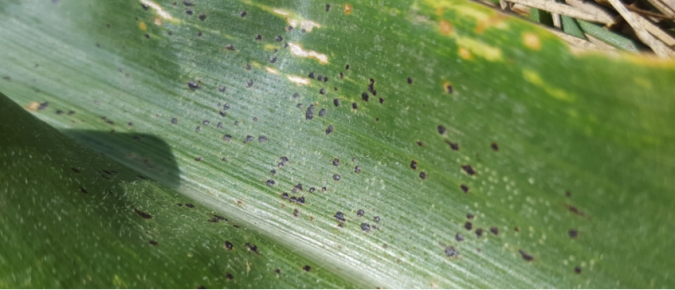
The June 28th Badger Crop Connect session features discussion from Dr. Damon Smith, Extension Funded Faculty and Professor of Epidemiology and Field Crop Diseases in the Plant Pathology Department Dr. Smith reviews the biology of the tar spot fungus in corn and the work done to ground-truth models of fungal development to refine prediction tools.
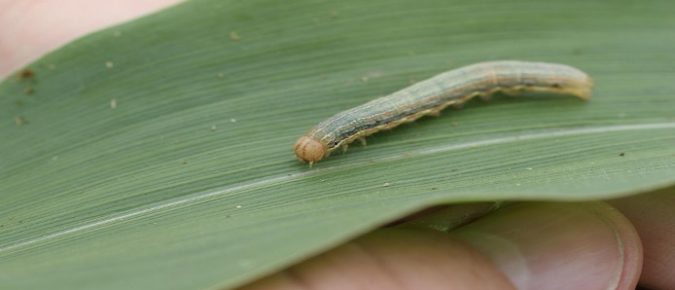
The true armyworm is a common spring insect pest found each year in Wisconsin crop fields and pasture locations. Adult moths migrate north in the spring in search of food and habitat to begin mating and egg laying. Eggs are laid primarily in lush green grass which serves as protection and a nutritious source of food for newly hatched larvae.
Foliar diseases will be less common in a dry year. Do not apply fungicides to maintain plant health in absence of diseases. Prophylactic applications of pesticides increase the odds of developing resistance to the product applied. If conditions are not conducive to fungal growth, you will not get a return on applying fungicides.
The June 14th Badger Crop Connect session features discussions from Dr. Emily Bick, Extension Precision Pest Technology Specialist, and Dr. Rodrigo Werle, Extension Cropping Systems Weed Scientist.
This webinar assists growers and agronomists with decision-making for late and prevented planting and disease management in small grains. Dr. Mitchell highlights the changes over time that will affect planting based on climate data, and presents the updated dates and risk management options to produce a profitable crop or receive an indemnity and possibly a forage harvest late in the season.