

Articles
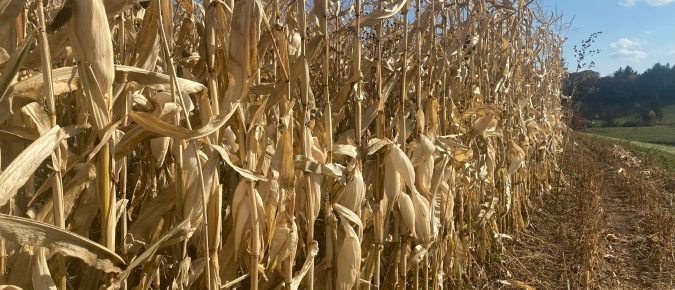
The relationship between corn grain yield and forage yield: Effect of moisture, hybrid and environment
Understanding the relationship between corn grain and forage yield is important to dairymen and grain farmers who often contract with each other for corn silage production.
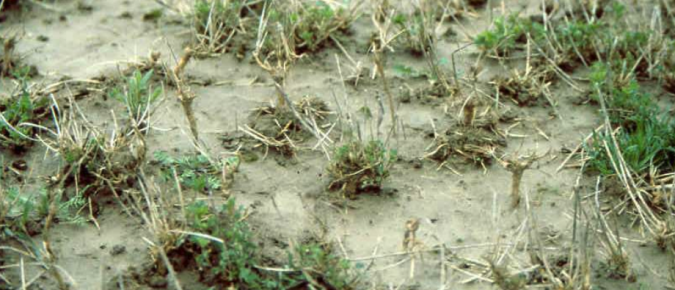
Heaving in Alfalfa Fields
Heaving is a problem in some alfalfa stands each year in the Midwest. Heaving occurs on heavy soils that have high moisture contents. Repeated freezing and thawing causes soil expansion and contraction that pushes the tap-rooted plants (and fence posts) out of the soil. The need to push against something is why grasses with fibrous […]
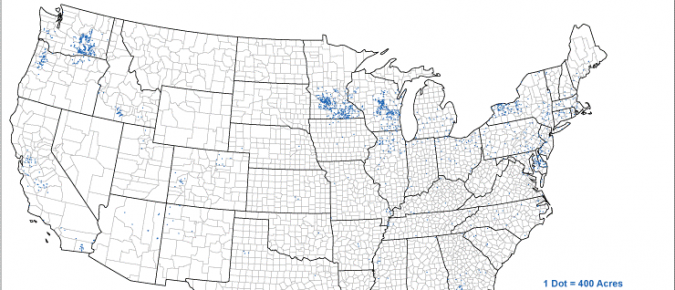
Sweet Corn Waste: Forage Quality and Fermentation Characteristics
Sweet corn is enjoyed by people across the United States. Some sweet corn is harvested and sold directly to the consumer (i.e. corn on the cob). The rest of the sweet corn is processed, packaged and/or combined with other food products through a processor. Sweet corn production produces byproducts that can be fed to livestock. They include sweet corn stalks (stalklage left on the field after harvest), sweet corn silage (from bypassed acres that were not harvested), and corn canning factory waste (sweet corn waste).
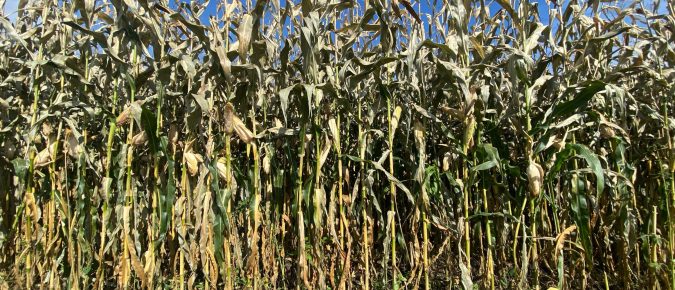
Planting Corn in June and July! – What can you expect?
Unprecedented rainfall continues to cause flooding and ponding leading to problems for corn establishment on 5 to 10% of planted acres in southern Wisconsin. Flooded and ponded areas have existed long enough now so that plants have been killed and areas need to be replanted.
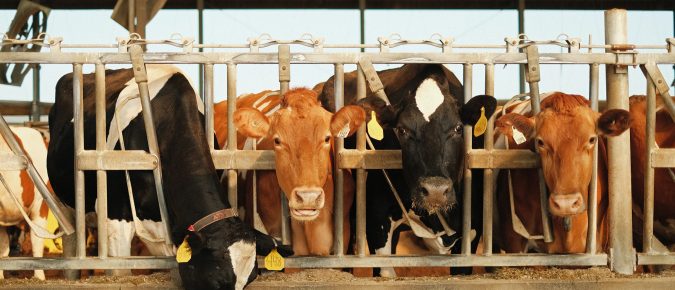
Feedout losses from forage storage systems
Much expense and time go into harvesting and storing good quality forage. You wouldn’t think of throwing away one third of this forage. However, this is what can happen without proper storage and feedout management. This fact sheet discusses storage feedout management strategies to help save valuable forage.
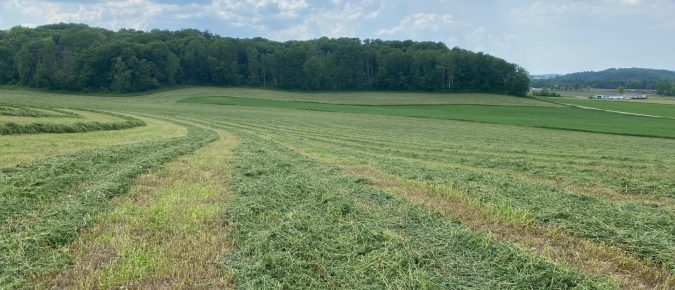
Value of Short Rotations for Alfalfa Profitability
Shorter rotations mean greater profit per acre for the entire farm because of higher alfalfa yield, higher forage quality, reduced pesticide use, greater nitrogen credits, and increased corn yields. Alfalfa is a major profit center on most dairy farms.
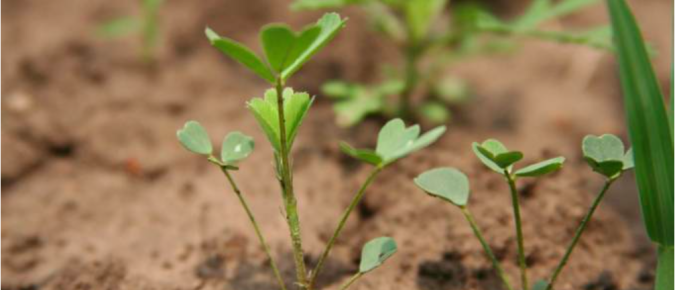
Determining the optimum alfalfa seeding rate
Virtually everyone who has applied their trade as an alfalfa researcher has done a seeding rate study at some point in their career. The scientific literature is full of such studies and most come to the same conclusion: very little of what we dump in the drill ends up as a productive alfalfa plant that lives to see the next presidential election. It’s not anyone’s fault, but rather that inefficiency is a part of the deal. However, there should be some consideration given to cutting losses simply because input costs, including seed, are not getting any cheaper.
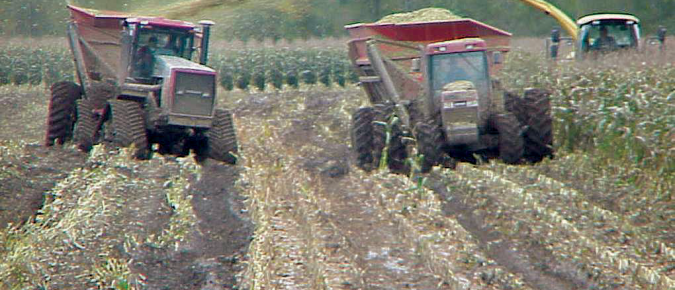
Soil Compaction: Causes, Concerns, Cures
This publication describes the causes and effects of soil compaction, explains how to recognize symptoms in Wisconsin soils and crops, outlines practical diagnostic tools such as penetrometers and bulk‑density tests, and provides management strategies to reduce compaction from heavy equipment, improve drainage, and protect long‑term soil health.
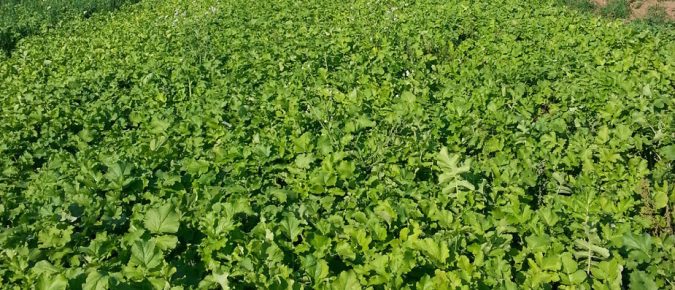
Radish As A Cover Crop in Wisconsin
This publication summarizes current research and management guidance for using radish as a summer‑planted cover crop in Wisconsin. It explains seeding windows, growth characteristics, nitrogen uptake, and observed agronomic effects, providing evidence‑based context for when radish is beneficial and when it may offer limited value in crop rotations.
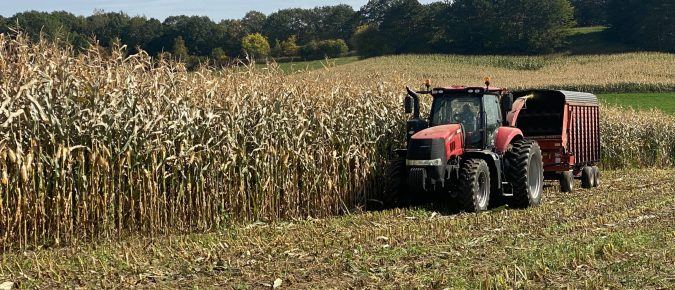
Drought Stress Reduces Corn Silage Yield More Than Quality
Farmers trying to decide about using drought affected corn fields must first determine success of pollination. If pollination will affect grain yield, then growers must follow directions given by hail adjusters to ensure insurance payment. If the decision is made to harvest the field for silage, then it must be cut at the proper moisture; the crop is usually wetter than it appears.