

Producer-Led Research
Collaborative Producer-Led Research and Demonstration
Collaborative Producer-Led Research and Demonstration projects build on the innovative work of individuals by bringing farmers together to investigate conservation practices and amplify shared learning and collective impact.
Why Participate in Farmer-Led Research?
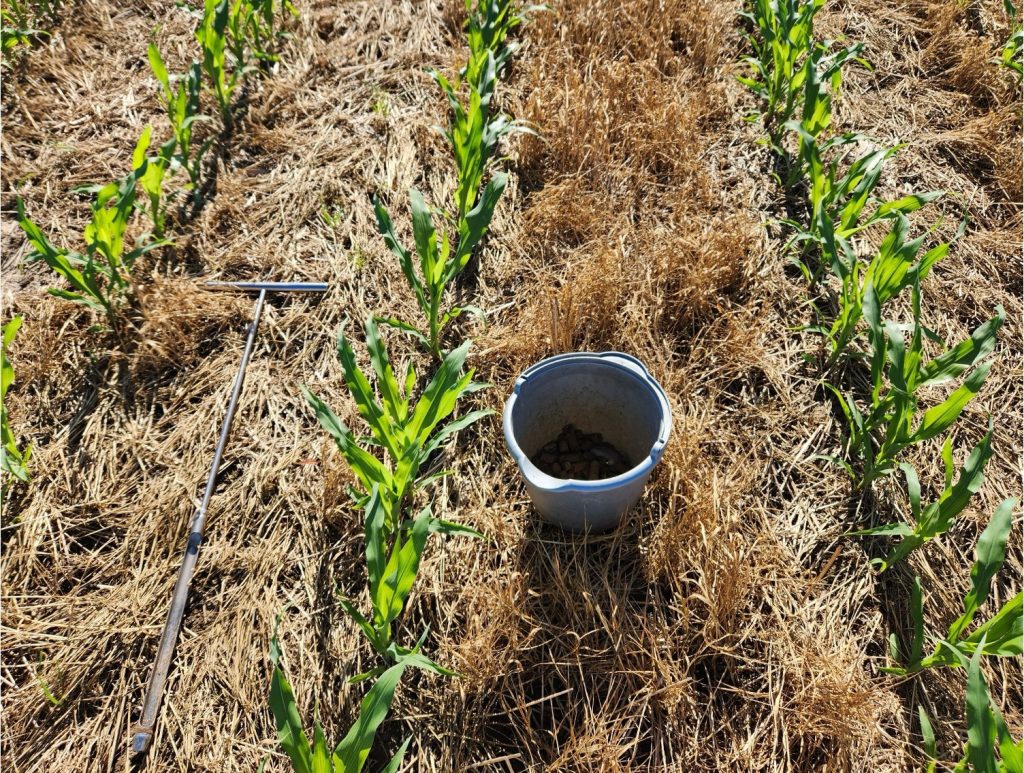
Have you wondered how conservation practices like cover crops or no-till perform on your farm?
Producer-led research equips farmers with the tools to test, evaluate, and collect trustworthy data on management practices.
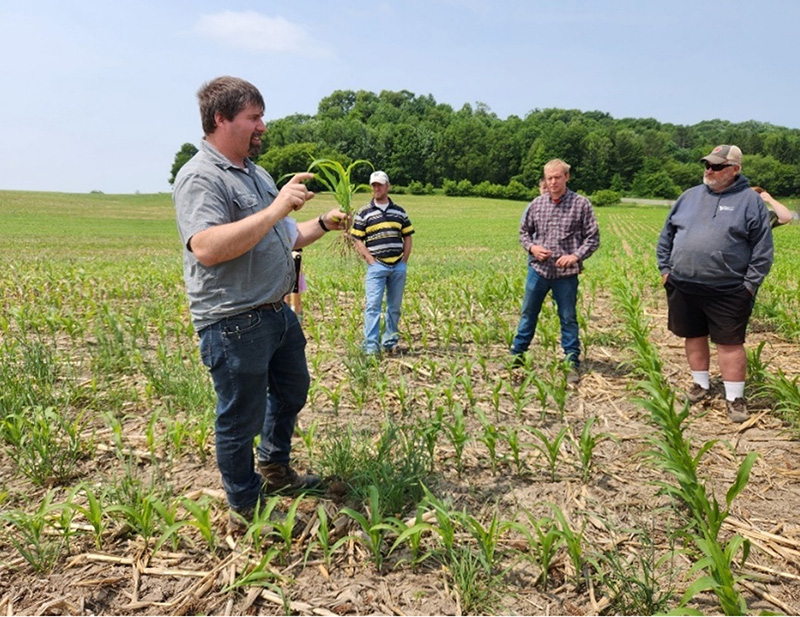
Are you curious about what other farmers are trying?
Explore shared questions through collaborative projects, field days, meetings, and other opportunities.
Do you want to be a part of a greater farmer-led effort for conservation solutions and resources?
Project results are aggregated and shared to support other Wisconsin farmers with their conservation practices.
About Producer-Led Research and Demonstration in Wisconsin
Collaborative producer-led research and demonstration projects build on the innovative work of producer-led groups by bringing individual farmers together to investigate conservation practices and amplify shared learning and collective impact.
Projects are co-developed with producers to support farmer-driven conservation solutions, farmer-to-farmer learning, and coordinated data on conservation practice performance across Wisconsin.
Farmer-Focused
A farmer working group informs project design and topics to address priority conservation needs, ensure practical approaches, and encourage engagement across the state.
Practical-On Farm Approaches
Farmers can conduct research trials that aim to answer a shared question as well as simpler assessments to support wider participation and connection.
Improve Water Quality and Soil Health
Projects span themes of cover cropping, soil health, nutrient management and conservation cropping systems. Additional projects will be developed to meet farmer-identified priorities.
Get Research and Outreach Support
Participating farmers receive protocols and resources to get started, technical support with project implementation and data analysis, individualized results from their own field, and opportunities to connect with other participating farmers and partners.
We’ve Got Your Back
Participating farmers, local partners and collaborators, DATCP’s Producer-Led Watershed Protection Grant Program, and UW-Madison Extension all work together to support producer-led research and demonstration and to communicate the findings and impacts of farmer-led research.
To learn more about upcoming projects or let us know about other research you’re interested in exploring, get connected with our on-farm research team!
Collaborative Producer-Led Research Projects in Wisconsin
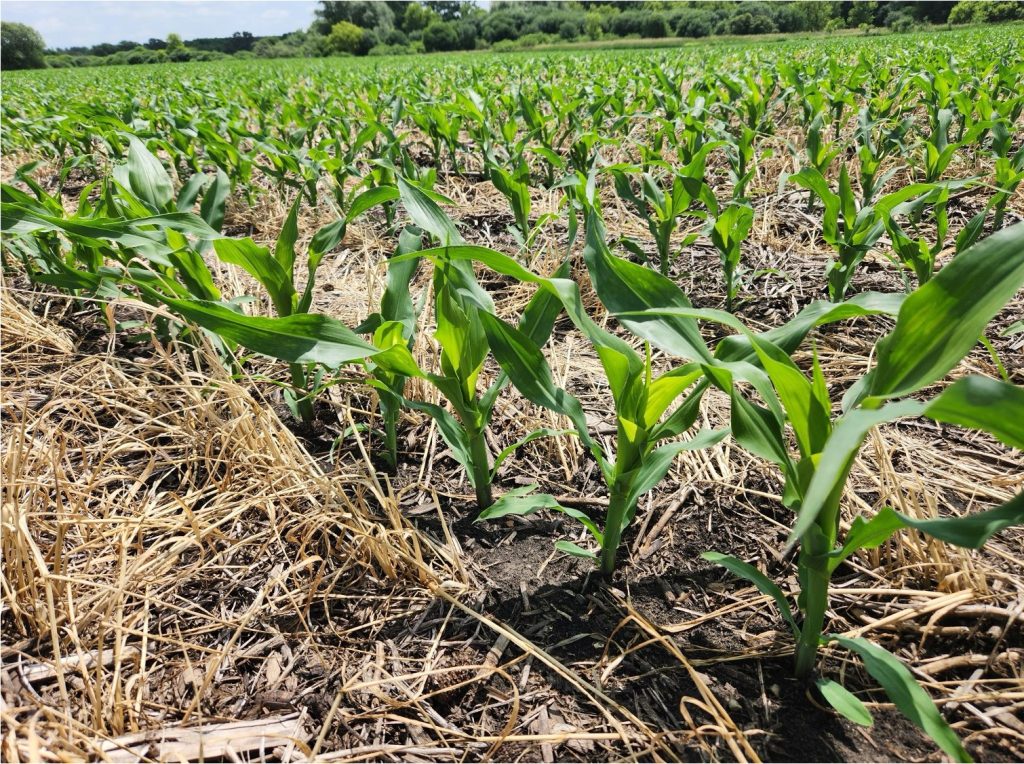
Producer-Led Research Trials
Research trials aim to answer a specific question by comparing two or more practices. They are designed to evaluate practices for conservation, agronomic, and economic outcomes, including baseline requirements for trial design and data collection.
For those interested in exploring practices further, projects can be tailored to better address your interests and goals through optional research packages.
Cover Crops Before Corn:
Is there a corn yield drag following a rye cover crop?
Rye is a beneficial cover crop in Wisconsin to reduce soil and nutrient losses, but concerns about impacts on the following corn crop limit adoption.
Evaluate the effect of rye cover crop on soil protection, crop yield, and overall profitability compared to a no cover crop control.
Project includes a routine soil test, cover crop biomass sampling, and cover crop nutrient analysis (estimated minimum budget: $230 per field), with option to include additional expenses, sampling costs, and incentive payments in the budget.
Interested in taking a deeper dive into cover cropping before corn? This project includes opportunities to investigate nitrogen dynamics, pest pressure, additional cover crop species, or management comparisons.
Interseeded Cover Crop in Corn
Can interseeding a cover crop provide sufficient forage to offset cover cropping costs?
Interseeding allows early cover crop establishment and growth, potentially providing enough forage to offset costs.
Evaluate interseeding a cover crop of your choice into corn on forage potential, soil protection, corn yield, and overall profitability.
Project includes a routine soil test, cover crop sampling and forage quality analysis (estimated minimum budget: $230 per field), with option to include additional expenses, sampling costs, and incentive payments in the budget.
Interested in taking a deeper dive into interseeding cover crops? This project includes opportunities to investigate soil nutrients, pest pressure, additional cover crop species, or management comparisons.
360Rain
What is the nutrient use efficiency of 360Rain-applied manure or leachate?
360Rain delivers nutrients and water from manure and leachate to the crop throughout the growing season, offering potential benefits for nutrient use efficiency, water quality, and overall farm profitability and efficiencies.
Evaluate crop nutrient use efficiency, yield, and economics of 360Rain-applied manure or leachate compared to a “no-360Rain” test strip.
Project includes routine soil tests, manure analysis, and crop nutrient uptake (estimated minimum budget: $450 per field).
Interested in taking a deeper dive into 360Rain? This project includes opportunities to investigate soil nitrogen dynamics, supplemental synthetic nitrogen response, management comparisons, or simplified assessment.
Producer-Led Assessments
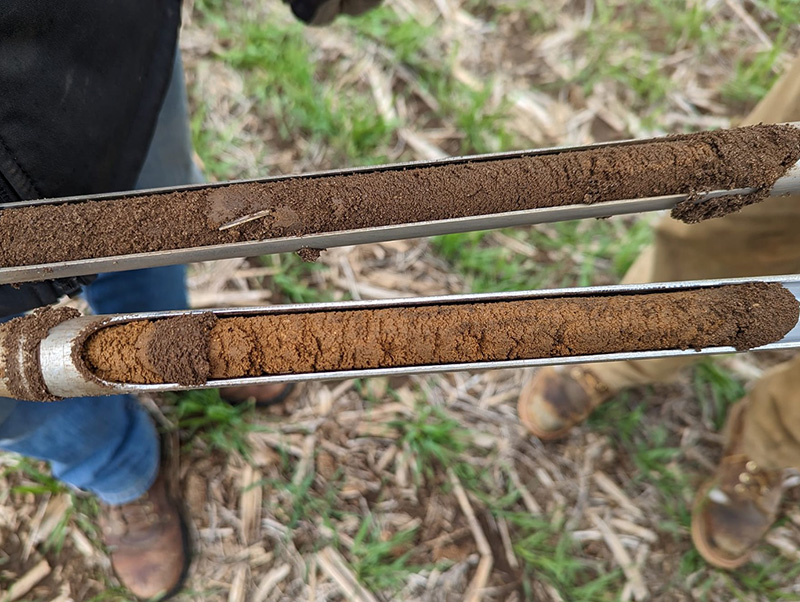
Assessments collect simple field measurements and farmer observations to evaluate practices and support decision-making. Collaborative assessments are an excellent entry point to on-farm data collection and provide opportunities to connect with other farmers and partners and learn together.
Drone-Seeded Cover Crop Assessment
How well did drone-seeded cover crops establish and grow?
Drone seeding cover crops expands viable planting windows, but as a new practice, there is limited insights on how successful it is.
Evaluate drone-seeded cover crops’ establishment and performance, for any cover crop species, timing, or conditions.
Project includes photos, observations, and biomass measurements, with option to include forage quality or nutrient uptake analysis (estimated minimum budget: $0 per field).
Soil Health Assessment
Farmer-driven soil health insights and data to support conservation practice adoption
Soil health systems offer a lot of potential for greater environmental and economic benefits, particularly in the face of weather fluctuations, but measuring these outcomes can be challenging.
Assess several fields across your farm using simple in-field measurements and practical observations on soil and water movement, crop performance, profitability, and resiliency.
Looking to try out a soil health practice? Option to implement a new practice (ex: reduced tillage, cover cropping) and compare these outcomes to your typical management.
Project includes in-field measurements (estimated minimum budget: $0 per field), with open to include additional soil health measurements, participant stipends, incentive payments for a practice change, or other expenses in the budget.
SlugNet
Where are slugs and slug damage most prevalent in Wisconsin?
Slugs are increasingly appearing as a potential challenge for Wisconsin growers who use conservation cropping practices.
Through Extension’s SlugNet, track slug pressure on your farm with weekly site visits and see results from across the state.
Register here and receive supplies. No minimum budget.
The collaborative producer-led research project library will grow as new projects are developed based on farmers’ interests and needs. Potential topics for new projects include forage production, tillage management, small grains & more.
Have ideas for producer-led research? Connect with our team.
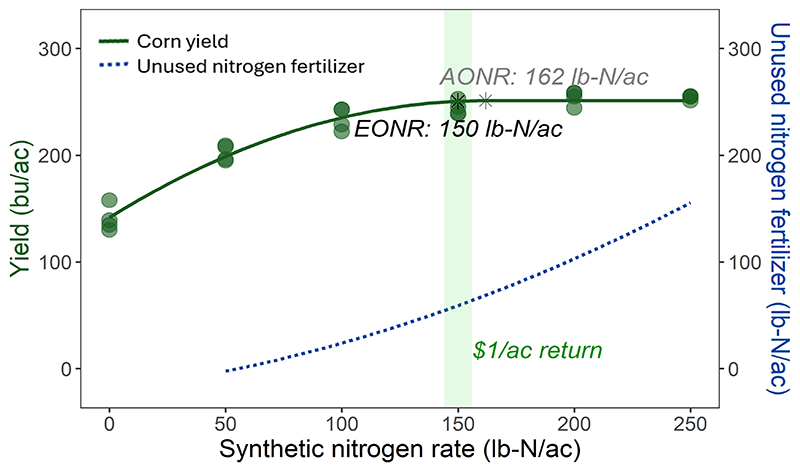
Investigate Nitrogen Management
Check out the Nitrogen Optimization Pilot Program for on-farm nitrogen management research opportunities. NOPP includes research trials, assessments, and new custom research projects to help answer questions like:
- What is the optimum nitrogen rate for my fields and cropping systems?
- How do management practices, like cover cropping or nitrogen timing, impact my optimum nitrogen rate?
- How much nitrogen does my soil supply, and what am I really getting for my applied nitrogen?
- Can I reduce my nitrogen rate without losing yield or profits?
- How can other innovative strategies optimize nitrogen use for improved water quality and profitability?
How Producer-Led Research and Demonstration Works
Projects are available for all of Wisconsin’s producers and partners, regardless of their involvement with a producer-led watershed group. To get started, browse projects and let our collaborative team know you’re interested!
Explore available projects, sign up, or reach out with any questions. Connect with our team, let us know if you have local partner support and funding, and we can help get projects started.
Projects are designed to be relatively low-cost compared to other research projects. The minimum cost of each project is between $0 and $500 per field, and participants can budget for any additional costs based on their interests and available funding.
While projects are designed to be simple enough so that any interested producer can implement the project on their own, our team supports planning, implementation, and data collection and analysis.
Producers are encouraged to connect with trusted local partners to see if they have capacity to provide support. Local partners include, but are not limited to, county conservation departments, Extension, agronomists, or other partners.
Don’t have local support? UW-Madison Extension’s On-Farm Research Team and DATCP are available to assist throughout the project.
DATCP and UW–Madison Extension organize meetings, field days, workshops, and more connecting participating farmers and partners.
UW–Madison Extension analyzes and summarizes data collected into research reports. At the end of the season, participants and partners review and discuss individual results and connect with other participants about project-wide results.
Connect
Connect with our team to learn more about upcoming projects, to sign up for a project, or to let us know about other on-farm research you’re interested in exploring.