This article originally appeared in the Midwest Forage Association’s Forage Focus newsletter
Every year in the Midwest, the reality is clear: alfalfa stands face the threat of winterkill. Winterkill occurs when alfalfa is unable to survive winter conditions – exceeding its cold tolerance threshold or breaking dormancy too early in the spring.
Winterkill results in significant damage to alfalfa stands. This damage includes compromised crown and root tissues and depleted carbohydrate reserves, ultimately impairing the plants’ ability to regrow in the spring.
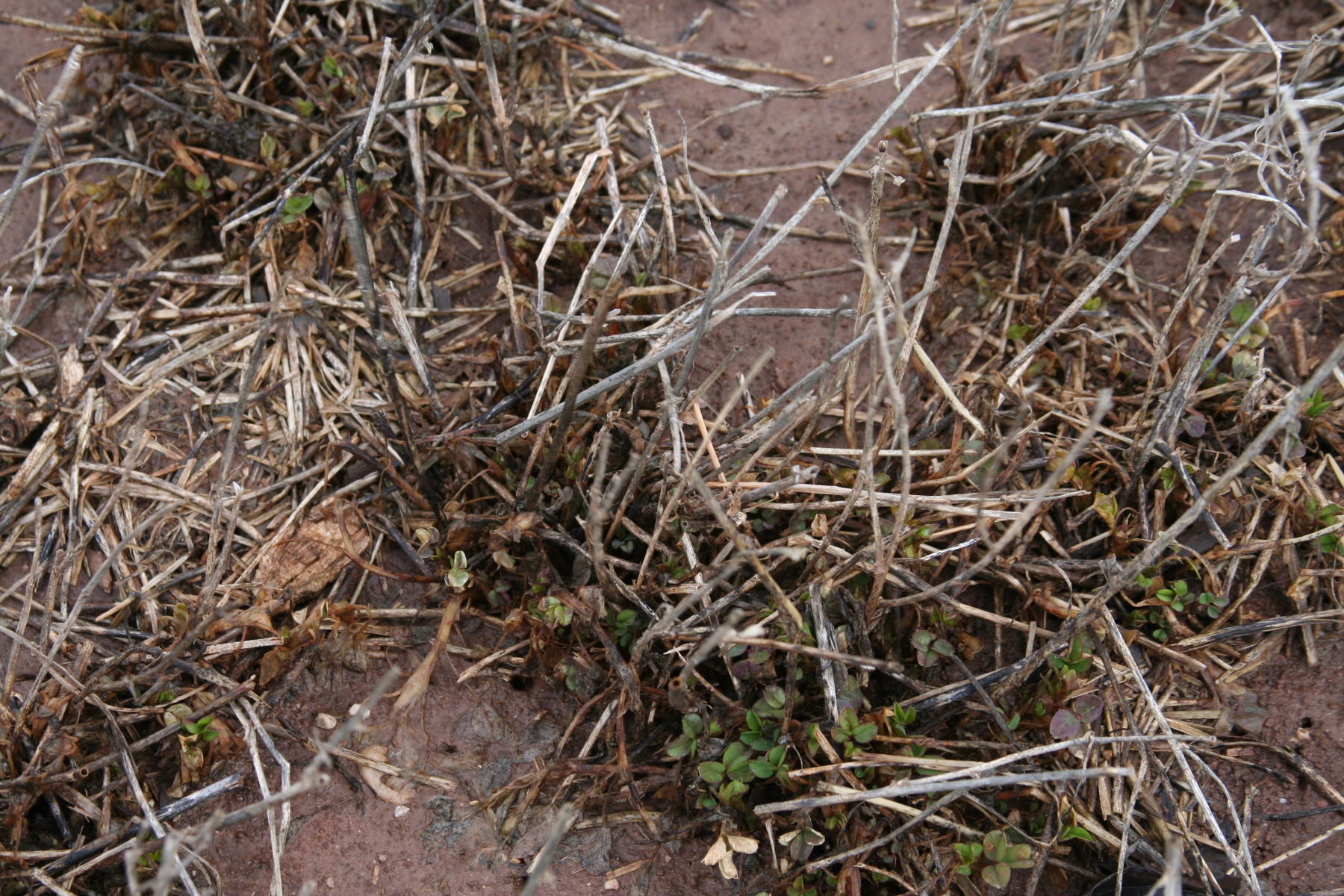
There is currently no way to forecast winterkills, making preventive management practices crucial. By understanding both controllable factors, such as management, and uncontrollable factors, such as weather conditions, growers can evaluate risks and make timely, informed decisions to protect their alfalfa crops.
How does alfalfa effectively prepare for winter, and when does injury occur?
As days shorten and temperatures drop in the fall, alfalfa begins to harden for winter. In cold-tolerant alfalfa, several hardening mechanisms come into play.
Cold-tolerant alfalfa can change the lipid composition of its cell walls from a saturated to a more unsaturated state. Think of it like replacing butter with olive oil. Butter is a more saturated lipid and freezes at room temperature. Olive oil is more unsaturated and remains liquid at room temperature. Having more unsaturated lipids in the cell wall helps alfalfa cell membranes remain semi-fluid and functional at colder temperatures.
Another mechanism for alfalfa to withstand cold temperatures is the capacity to accumulate sugars, also called non-structural carbohydrates, typically in the roots. When an alfalfa plant has sufficient sugars stored in its roots, the temperature needed to form ice in the plant tissue is lower, reducing risk for cold damage. Therefore, accumulating these sugars helps alfalfa prevent ice formation within its cells.
We want to prevent ice formation between cells because that has a desiccating effect, which can kill plant tissue. These adaptations are essential for enhancing the plants’ resilience against harsh winter conditions, but there are limits to how much these mechanisms can endure, especially when there are large temperature fluctuations.
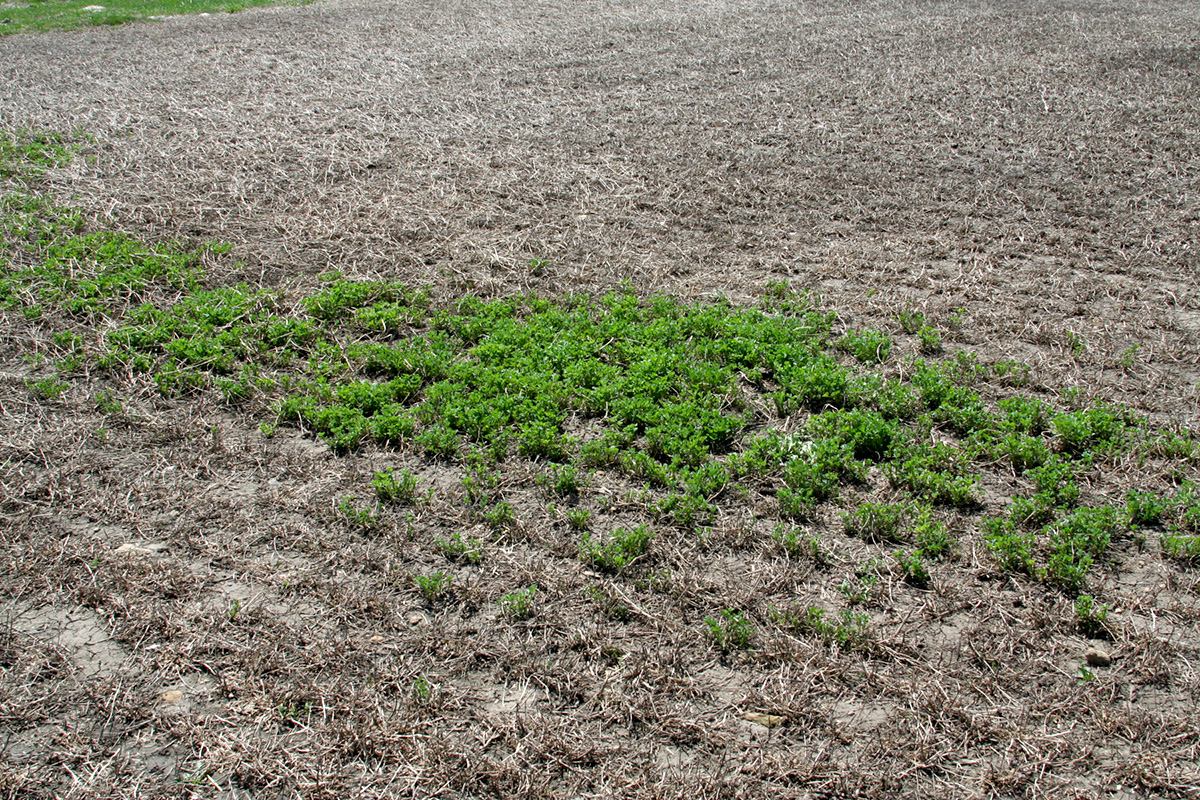
Temperature fluctuations or freeze-thaw cycles create conditions that lead to winterkill. Snow insulates the soil and helps buffer against extreme temperature fluctuations. High temperatures thaw the snow, removing its protective layer of insulation and exposing plants to any changes in air temperature. Prolonged exposure to extreme cold temperatures can kill even the most winter-hardened alfalfa plants.
Additionally, snow melt creates moist soils — and alfalfa is renowned for its dislike of “wet feet.” Moist soils and repeated freezing and thawing cycles cause plants to heave from the soil, leading to broken tap roots, root rot, and root and crown exposure. If soil moisture is high as winter sets in and temperatures drop, the risk of winter injury increases.
Temperature fluctuations, snowmelt, and high soil moisture can also lead to ice-sheet formation and ice encasement of alfalfa plants. Ice sheets block air exchange between the atmosphere and the soil, and since roots and soil microbes continue to do respiration even during winter, they can exhaust the available oxygen. This creates anerobic conditions, which accelerates depletion of plant reserves and lead to the accumulation of potentially phytotoxic end products such as ethanol and lactic acid. If long-lasting, ice-sheet formation can suffocate – and eventually kill alfalfa.
Key factors influencing alfalfa winter injury outcomes
Cultivar Selection
Selecting the right alfalfa cultivar is crucial for success. It is essential to choose a cultivar that is well-adapted to your specific soil and climate conditions, with strong winter hardiness and disease resistance. This selection not only ensures good stand survival and longevity but also significantly boosts the chances of overcoming winter challenges and maintaining high productivity levels. The updated alfalfa variety ratings for winter survival, fall dormancy, and disease resistance for 2026 are now available on the National Alfalfa & Forage Alliance website (PDF here).
Stand Age
Older alfalfa stands are more susceptible to winterkill compared to younger, healthier, and well-established stands, which tend to have a better chance of survival. An important factor in ensuring alfalfa persistence is maintaining adequate soil fertility; sufficient nutrient levels support strong root development, particularly potassium, which is also essential for the plant’s adaptation to environmental stresses. Additionally, alfalfa grown in soils with appropriate pH levels and well-drained conditions is less susceptible to winter injury.
Cutting Schedule
Before winter arrives, it is essential that alfalfa builds up sufficient carbohydrate reserves to increase its chances of survival. Proper cutting management and adequate soil fertility are important factors in this process. Avoiding late-season cuts and ensuring the plant has sufficient reserves are critical practices to reduce winter damage. Additionally, leaving an unharvested stubble of 4 to 6 inches can help trap snow and insulate the crowns, further reducing the risk of winter injury.
Winter injury occurred. Now what?
Evaluating the health of the stand and diagnosing the extent of winter injury will help you make an informed decision on how to manage your alfalfa fields. The process starts early in the growing season by observing how quickly the stand greens up and how evenly the shoots emerge from the crown. If there is winter injury, killed buds will take longer to regenerate, leading to uneven shoot heights throughout the spring.
It is also important to assess the symmetry of growth around the crown, as partial root damage or death will affect shoot development, resulting in lopsided plants. As stems grow beyond 2 inches in height, counting the number of stems per square foot in representative sections of the field can help identify any productivity limitations. A practical rule of thumb is that if the count exceeds 55 stems per square foot, stem density is unlikely to limit productivity for that year.
Checking for root rot by digging up a few plants is essential; healthy alfalfa roots are firm and white, while winter-damaged roots are soft and appear gray when moist or brown as they dry. Roots with significant root rot may survive temporarily, but are expected to perish later in the season.
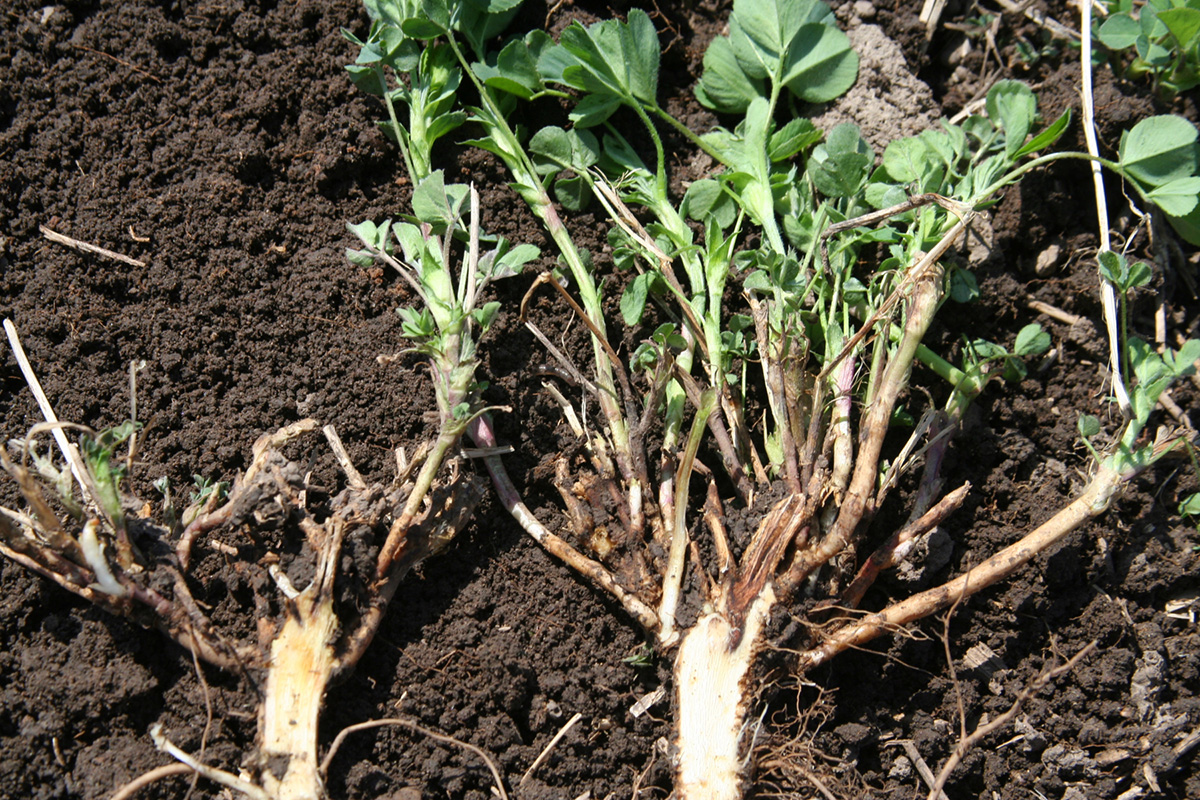
If you make the decision to retain the stand despite minor winter injury, the field will require additional time before the first harvest, ideally reaching the bloom stage to replenish its reserves. Maintaining fertility and avoiding late-fall cutting are also essential in this scenario.
Conversely, if the stand is in poor condition, replanting alfalfa is not viable due to alfalfa autotoxicity. In this case, overseeding with grasses may be an option, or the stand can be terminated, and you can take advantage of alfalfa N credits in the next crop in your rotation plan.
References
- Bélanger, G., Castonguay, Y., Bertrand, A., Dhont, C., Rochette, P., Couture, L., Drapeau, R., Mongrain, D., Chalifour, F.P. & Michaud, R. (2006). Winter damage to perennial forage crops in eastern Canada: Causes, mitigation, and prediction. Canadian Journal of Plant Science, 86, pp.33-47.
- Bowley, S. R., & Wright, H. (1991). Risk of alfalfa winterkill. Ontario. Ministry of Agriculture and Food.
- Leep, R. H., Andresen, J. A., & Jeranyama, P. (2001). Fall dormancy and snow depth effects on winterkill of alfalfa. Agronomy Journal, 93, 1142-1148.
- Li, Z., Li, X., & He, F. (2023). Non-structural carbohydrates contributed to cold tolerance and regeneration of Medicago sativa L. Planta, 257, 116.
- Smith, D. (1964). Freezing injury of forage plants. Forage Plant Physiology and Soil‐Range Relationships, 5, 32-56.
- Undersander, D., Grau, C., Cosgrove, D., Doll, J., & Martin, N. (2011). Alfalfa stand assessment: Is this stand good enough to keep? University of Wisconsin-Extension, Madison, WI, 3620.
Published: May 5, 2026