The Herbicide Mitigation Strategy is one of the first phases of the Environmental Protection Agency’s (EPA) work plan to achieve compliance with the Endangered Species Act (ESA) and will set the tone for subsequent changes in the coming years. Moving forward, the herbicide strategy will be applied to all new herbicide active ingredient registrations and be considered during the herbicide registration review process. Outlined below are the key changes to the label and mitigation practice resources.
Using datasets from large numbers of farms, Dr. Jeff Hadachek created a model that allows farmers to input their own costs to see how their bottom line would be affected if they implemented specific conservation practices. Read more and access the tool here.
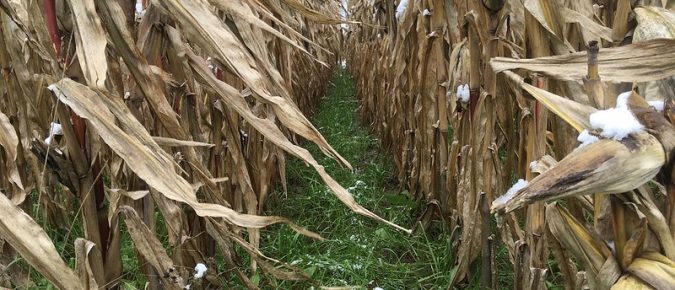
Do you want to get a head start on managing next year’s insect pests? Focus on managing your crop residue. Removing or tilling in crop residue this fall could make a big impact towards pest management. Read for pest-specific strategies on residue management as well as other cultural control options.
We sit down with Mallika Nocco, assistant professor and extension specialist in agrohydrology from UW-Madison to discuss water conservation: What is it, why does it matter for Wisconsin farmers, and what are practical ways we can implement it on the landscape?
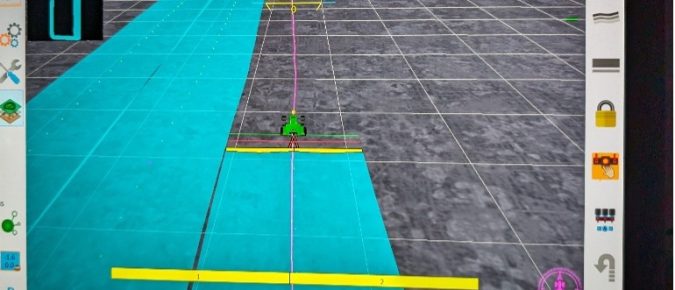
As more farmers have now grown up in the age of computers and software development, we are starting to see an increase in open-source projects related to agriculture. Open-source software (OSS) is a software product for which the code is freely available to the public to use or modify.
Dr. Tommy Butts, assistant professor of weed management at Purdue University, presents on the chemistry of herbicide applications.
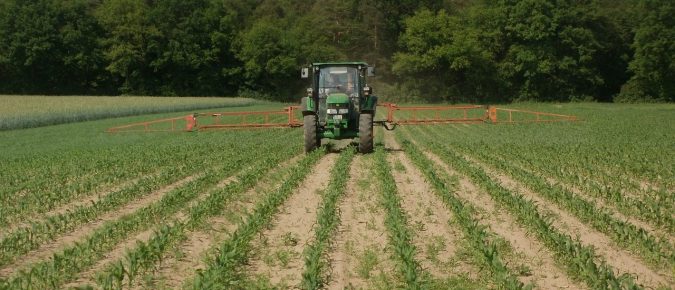
Dr. Tommy Butts, assistant professor of weed management at Purdue University, covered conventional technology related to drift and weed control. Butts dug into the effects of spray volume, spray pressure, droplet size, and tip selection related to herbicide type.
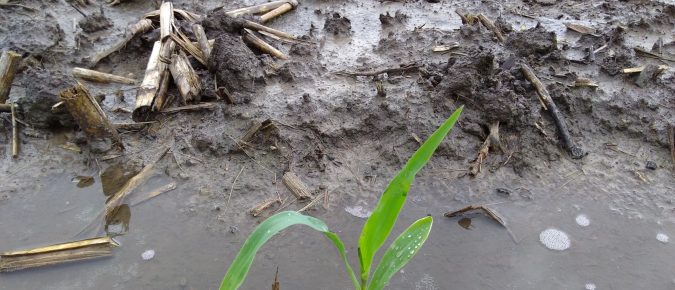
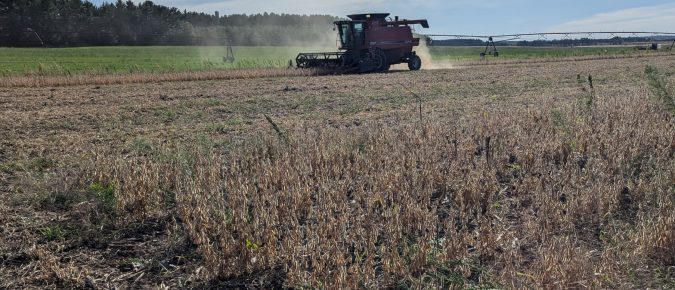
If you noticed scarred areas while harvesting, or suspect individual gullies in vulnerable areas have re-appeared, now is the perfect time to inventory those and decide on how you want to proceed on making your fields more resilient to years like this in the future.
In the October 23, 2024 Badger Crop Connect webinar, Dr. Paul Mitchell — a professor in the UW–Madison Department of Agricultural and Applied Economics, extension state specialist in cropping and environmental management economics, and director of the Renk Agribusiness Institute — discussed expectations for 2024 crop input costs. Dr. Mitchell explains projected input costs through current fuel, technology, and overhead expense data.
In the October 23, 2024 Badger Crop Connect webinar, Dr. Brenda Boetel — professor and department chair in the UW–River Falls department of agricultural economics and extension state specialist in agriculture economics and marketing — discussed current market trends and data related to corn and soybean pricing in the 2024/25 marketing year. Dr. Boetel gives recommendations for the beginning of the 2024/25 marketing year for corn and soybeans as well
In the October 23, 2024 Badger Crop Connect webinar, Dr. Jeff Hadachek — assistant professor in the UW–Madison department of agricultural and applied economics — discussed his ongoing economic research related to cover cropping and water quality issues. Dr. Hadachek revealed a Soil Health Decision Tool, which allows farmers to simulate and experiment with several variables to determine if agronomic practices, like cover cropping, produce an economic return on investment by improving soil health.
The October 23, 2024 Badger Crop Connect webinar featured Bridgette Mason, Assistant State Climatologist, who discussed the latest Wisconsin ag climate outlook. Bridgette talked about the ongoing lack of rain and its impact on agriculture, particularly corn and soybean harvests. Bridgette ends with an outlook for future weather through November.