

Articles
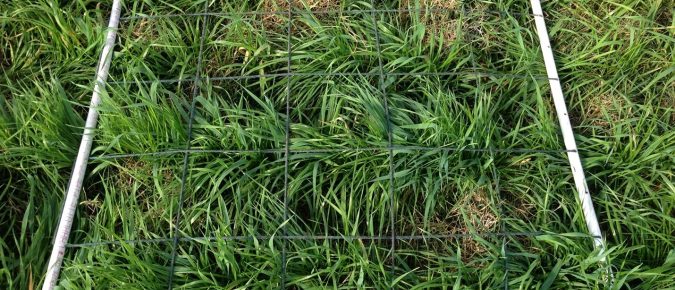
Ryegrasses for Pastures
UW-Madison Extension provides information about using various types of annual and perennial ryegrasses as cool-season forages that make for a good addition to a pasture mix.
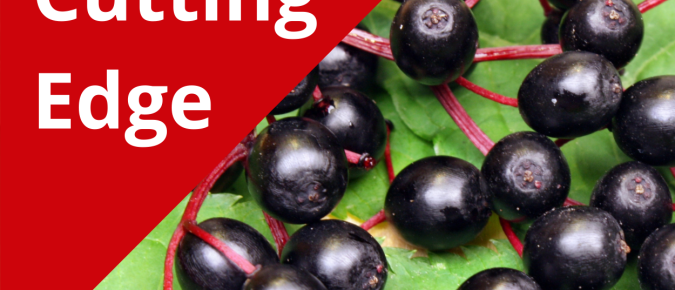
The Cutting Edge Podcast Episode 24: Elderberry
Join Mike Breckel an elderberry farmer from Vernon County and Dr. David Handley, Fruit Crop Specialist from the University of Maine Cooperative Extension as they discuss production and marketing potential of elderberry.
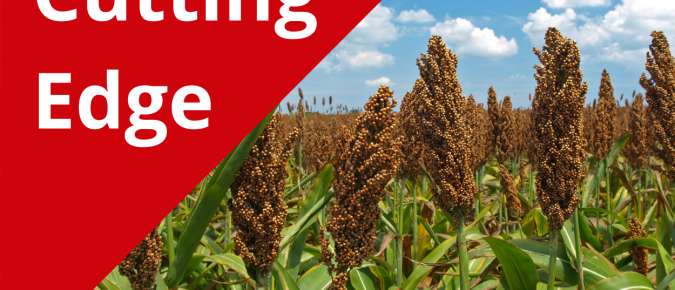
The Cutting Edge Podcast Episode: 23 Wildlife Plots
Join Eric Canania and Mark Rassmussen from the Wisconsin Department of Natural Resources and Jerry Clark from UW-Madison Division of Extension Chippewa County as they discuss the why and how to establish a wildlife food plot.
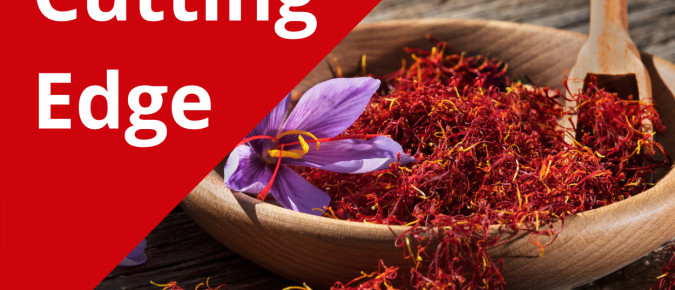
The Cutting Edge Podcast Episode 22: Saffron Part 3
The Vermont saffron researchers are back for episode three, this time with a focus on saffron production in the field or high tunnel. Listen to Margaret Skinner, Brian Leven, Jon Pylpiv, and , Arash Ghalehgolabbehbahani as they talk everything saffron.
The Cutting Edge Podcast Episode 21: Currants
Jason Fischbach, Agriculture Agent with Ashland and Bayfield Counties visits with Eric Wolske, PhD candidate, at the University of Illinois about growing currants and market opportunities.
The Cutting Edge Podcast Episode 20: Carbon Farming
Jason Fischbach, Agriculture Agent in Ashland and Bayfield Counties and Jerry Clark, Agriculture Agent in Chippewa County discuss carbon farming and everything carbon with Tim Baye, Professor of Business Development and State Energy specialist with the Division of Extension UW-Madison.
The Cutting Edge Podcast Episode 19: Natural Wild Rice
Alana Voss, Agriculture Agent with Juneau and Sauk Counties and Carl Duley, Agriculture Agent in Buffalo County discuss wild rice with Jason Fleener, Wisconsin Department of Natural Resources Bureau of Wildlife Management and and Chris Johansen, District Wildlife Supervisor for the Wisconsin DNR.
The Cutting Edge Podcast Episode 18: Grimo Hazelnuts
Jason Fischbach, Agriculture Agent in Ashland and Bayfield Counties and Linda Grimo from Ontario, Canada discuss hazelnut breeding and her nursery’s long history working with hazelnuts.
The Cutting Edge Podcast Episode 17: Saffron Part 2 Marketing
Jon Pylypiv, Margaret Skinner, and Arash Ghalehgolabbehbahani are back by popular demand! This time, they are joined by Parker Shorey, owner of LemonFair Saffron Co., in Vermont. Parker shares his experience buying saffron from his grower partners, dyring it, and selling to customers. Hosted by Jerry Clark and Evan Henthorne.
The Cutting Edge Podcast Episode 16: Cut Flowers
Tiffany Cade of Deep Rooted Organics in Westby, WI and Heidi Hensel-Buntrock of Willow Creek Farm and gardens in Wautoma, WI join hosts Ashley Olson and Alana Lynn Voss to discuss growing and marketing fresh cut flowers.