

Articles
Harvest Season Clean Out
Limiting the spread of weed seed between fields is a key part of an integrated pest management system. This is especially important, because the weeds present at harvest were allowed to produce seed and have survived other control attempts during the growing season. These weed seeds, if allowed to spread and germinate, have the potential to become difficult to control elsewhere.
Effect of Seedling Year Stress on Future Alfalfa Yields
Stress in the seeding year reduces future yields of alfalfa. This occurs because the seeding year determines the stand plant density as well as individual plant size and vigor. The following paragraphs will show that autotoxicity, potato leaf hopper, cover crop, and, possibly, drought stresses in the seeding year will reduce alfalfa yield in future years, even when the stress is gone.
Weighing the Risk of Fall Alfalfa Harvest – Balancing Forage Production and Potential Stand Longevity
The decision to take a late summer or fall cutting of alfalfa should be considered carefully. A farm should evaluate current forage needs, economics, stand health, and timing to make the best decision for their individual situation. Although the need for more forage may override some other factors, the timing of harvest is still critical. […]
Alfalfa Fall harvest and the buildup of reserves
While farming in the ‘North’ brings the benefits of growing some of the best forages like alfalfa and cool-season grasses, it also carries the weight of fall decisions that will ‘make or break’ your profit due to risks of winter injury. Fall decisions regarding alfalfa production include proper harvest timing and providing adequate potassium, leading to strong plants that can survive a severe winter and come back the following year with good yield potential.
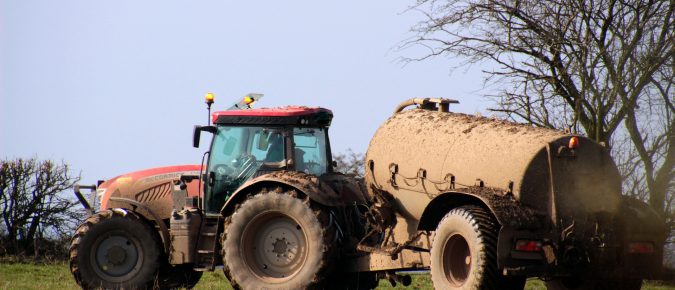
Fall Manure Management
September 8, 2021 12:30-1:30 pm Local Update Kimberly Schmidt, Extension Shawano County Agriculture Educator Are nitrate inhibitors beneficial? Carrie Laboski, UW-Madison Extension Soil Specialist Cover Crops that Best Scavenge N for Water Quality Jamie Patton, Senior Outreach Specialist, UW-Madison NPM Program

Want to improve soil health? Start with minimizing erosion.
Soil health is something we hear a lot about these days. Cover crops, soil health tests, diversity in crop rotations, and reduced compaction are all ways to improve soil health. While it is true, cover crops and diverse rotations can improve soil health and tests to measure progress are good, there is some low hanging fruit that farmers may be missing when it comes to improving soil health.
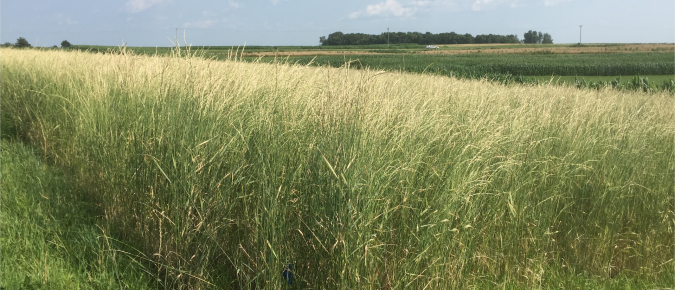
Post-Emergent Weed Control and Summer Annual Forage Options
Resources from the June 9, 2021 webinar.
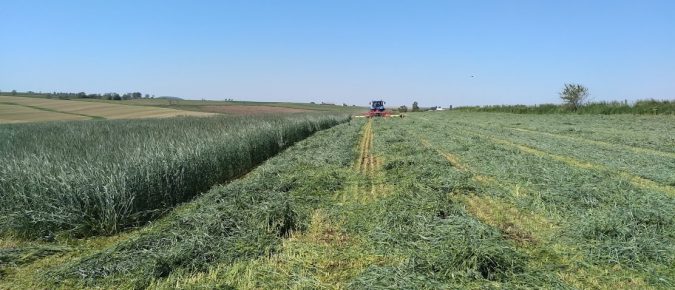
Soybean Growth Stages and Roller Crimped Rye
Resources from the May 26, 2021 webinar.
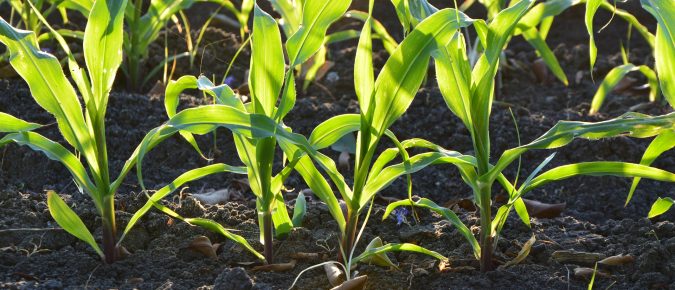
Corn Emergence and Insect Field Scouting
Resources from the May 12, 2021 webinar.
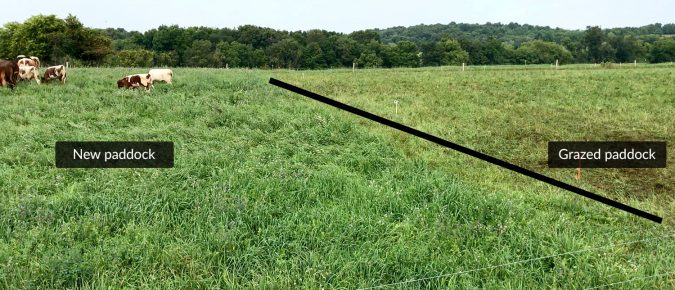
Meeting the needs of the animal and forage plant through grazing management
UW-Madison Extension provides tips for sound grazing management that meets the requirements of the animal and also those of the forage plant.