

Articles
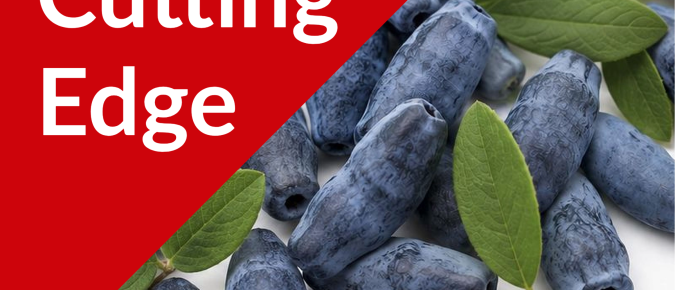
The Cutting Edge: Field Notes, Honeyberries with Mark Villers of Homestead 36 Farms, June 24, 2026
A conversation with Mark Villers of Homestead 36 Farms in Door County, Wisconsin. Mark grows honeyberries, aronia berries, elderberries, and currants on about 8 acres. Resources Homestead 36 Farms
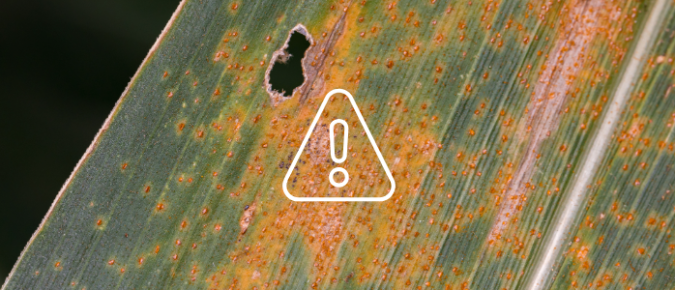
▶2026 Mid-Season Wisconsin Field Crop Disease Update
Dr. Damon Smith gives a mid‑season update that covers tar spot in corn, white mold in soybeans, wheat disease risks, fungicide timing, and the first confirmed case of red crown rot in Wisconsin.
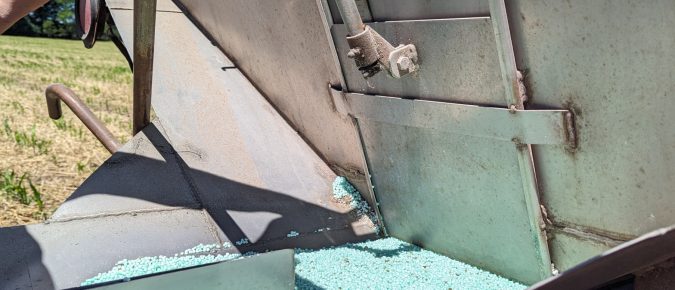
▶ Updates to A2809: 2026 Wisconsin N, P, and K Recommendations for Corn and Soybeans
Dr. Matt Ruark discusses what’s changing in Wisconsin nutrient management guidelines for corn and soybeans.
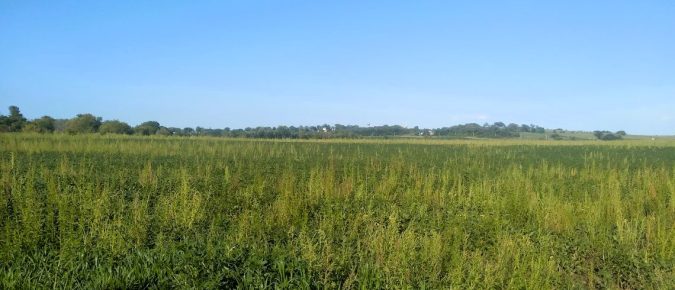
▶ 2026 Wisconsin Post-Emergence Corn and Soybean Weed Control
Dr. Rodrigo Werle discusses why post‑emergence weed control is critical for protecting yield in corn and soybeans.
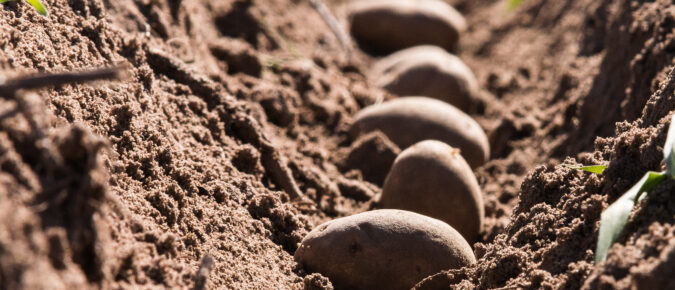
▶From Soil Sensors to Nitrogen Decisions: New Technologies for Wisconsin Agriculture
Dr. Jingyi Huang explores emerging sensor technologies that measure soil nitrate, moisture, and temperature to help farmers better understand nitrogen availability, nutrient losses, and crop needs throughout the growing season.
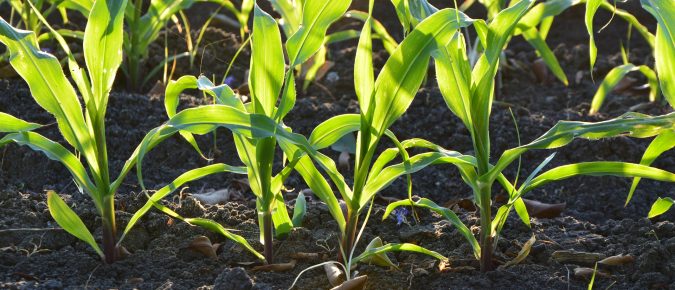
▶Determining In-Season Nitrogen Availability: Indicators of Nitrogen Need
Dr. Natasha Rayne shares UW–Madison research exploring manure nitrogen availability, soil nitrate testing, crop sensing technologies, and environmental factors that influence in‑season nitrogen decisions.
When Is the Best Time to Sample Manure? Research Proven Answers for Farmers
Manure is valuable but applying it accurately is tricky because it does not have a guaranteed analysis like commercial fertilizers. Sampling and testing will maximize the economic value of your manure. But, when is the best time to sample manure?
The Cutting Edge: Field Notes, Honeyberry Bird Netting with Steffen Mirsky from UW Extension, May 29, 2026
The first in a series of episodes on honeyberry production. Steffen Mirsky, UW Extension’s Emerging Crops Outreach Program Coordinator, talks through the bird netting strategy at the UW cultivar trials. Watch: Installing honeyberry bird netting at the West Madison Ag Research Station Supply list: Resources
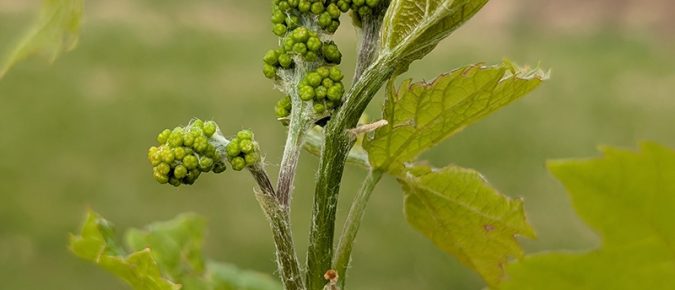
Petiole Sampling for Determining Fertilization Needs in Cold-Climate Grapes
Assessing the nutritional status of your grapevines through mature leaf petiole sampling is one of the most useful tools growers have for managing vineyard health and productivity.
The Cutting Edge: Field Notes, Hops with Randy Urness of Fine Bine Farms (Part I), May 2026
The first in a series of episodes on hops production with Randy Urness of Fine Bine Farms, a 5 acre hop yard near Rosholt, Wisconsin. Resources Fine Bine Farms