

Articles
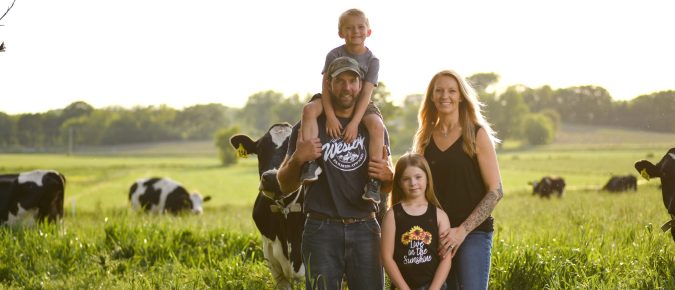
Field Notes Episode 24: Generational and Organic Farming Transitions
Transitioning a farm with the bumps and successes along the way. Darren Eichelkraut farms on a 50 cow organic dairy with his family, including his dad, Junior Eichelkraut, right next to Paoli, Wisconsin. Darren and Junior tell us the story about how Junior transitioned the farm to organic, allowing Darren to come back to and eventually take over the farm.
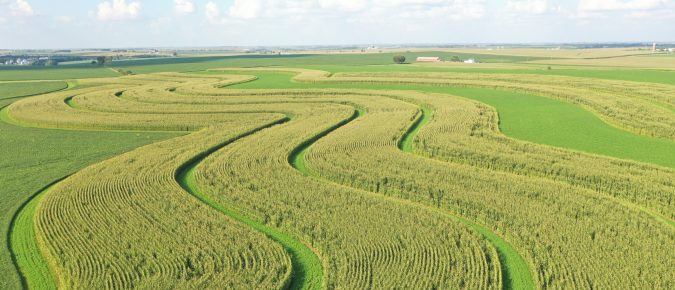
Historical ARC and PLC Payouts in Wisconsin
The UW-Madison Division of Extension Farm Management Program has developed interactive tools, referred to as payout visualization tools, to assist Wisconsin producers in comparing ARC-County (ARC-CO) and PLC payments by county, commodity, and irrigation type.
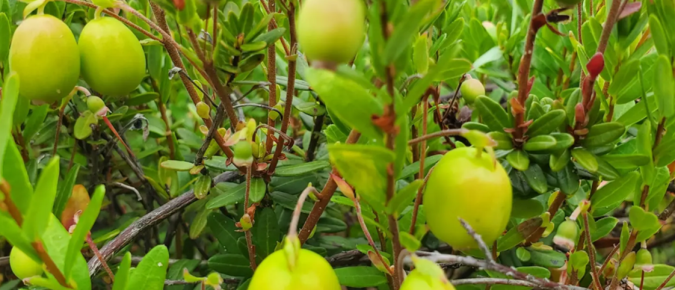
Soil Health in Cranberry Production Systems: A Case Study of Four Wisconsin Farms
Are there differences in soil health indicators between higher and lower yielding cranberry beds in Wisconsin? Table of Contents What we did Sampled surface soils (top 6”) from one higher and one lower yielding cranberry bed on four farms in Jackson, Monroe, Sawyer, and Wood Counties, Wisconsin in summer of 2022. Higher and lower yielding […]
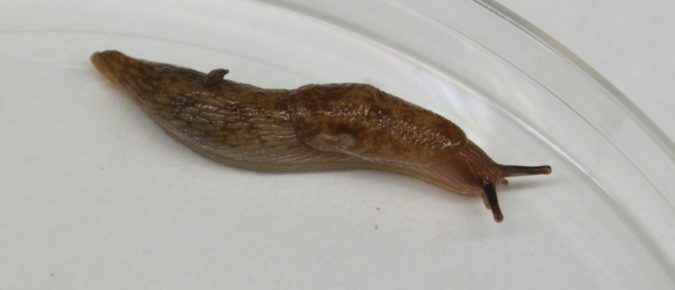
Managing Slugs in Wisconsin Field Crops
Slugs are becoming an increasingly challenging pest for Wisconsin farmers who use conservation cropping practices like no-till and cover crops. The increased adoption of these practices in recent years, along with milder winters and wetter springs projected for Wisconsin in the future, may increase the importance of slugs as pests of field crops.
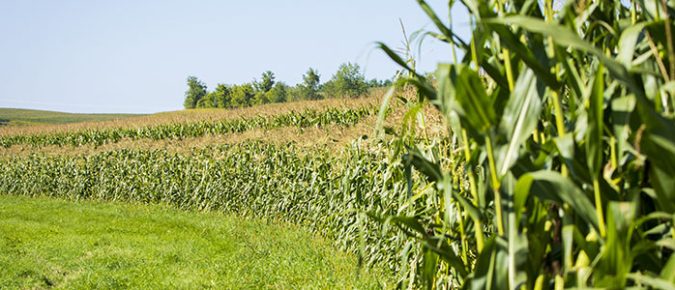
Wisconsin Agricultural Land Prices 2024
Each year, UW-Madison Division of Extension compiles an Agricultural Land Price Report which discusses the changing price of farmland in Wisconsin.
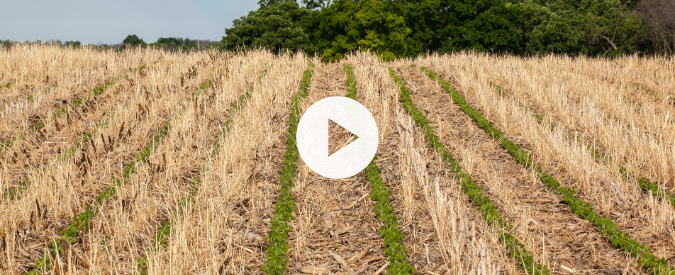
▶ Watch: Focus on Alfalfa Companions
The first Focus on Forage webinar in the 2025 series, Focus on Alfalfa Companions, features research-based alfalfa establishment resources and new management strategies to keep stands productive over time.
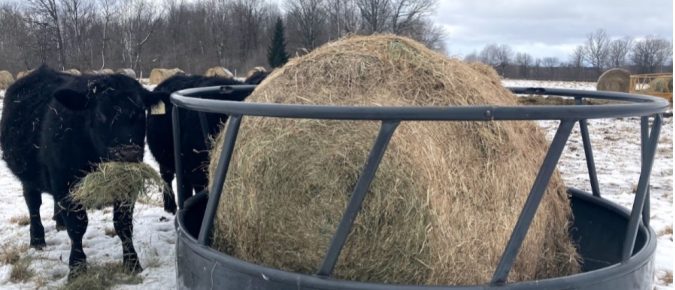
Research Brief: 2024 Wisconsin bale grazing project
In 2023, a grazing farmer network in northwestern Wisconsin was asked to identify the greatest needs for research. At the top of their list was the practice of winter bale grazing. We designed a research project that sought to answer some of their questions about the practice.
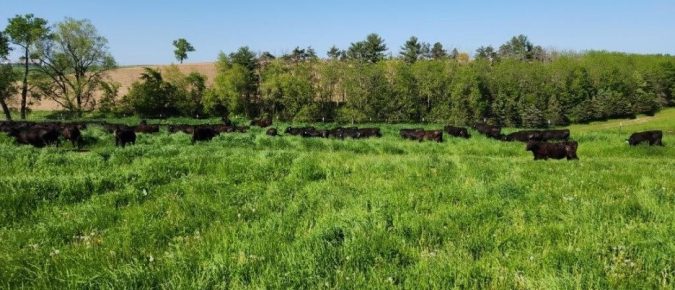
What should I plant in my pasture?
This fact sheet was designed to walk you through that decision-making process and assist you in selecting forage species that are compatible with your farm and complimentary to each other. While there are many great seed mixes that are commercially available, this resource is intended to empower farmers to develop an establishment plan that fits their objectives and design a seed mix that is tailored to their farm.
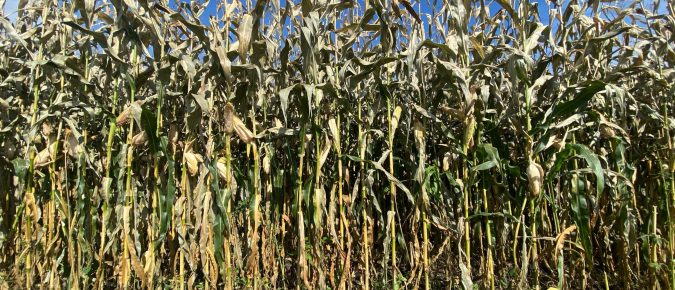
Mycotoxins and Silage – How to Feed the Dairy
By following these guidelines, farmers growing, storing and feeding corn silage can minimize the risks posed by mycotoxins and ensure a healthier, more productive livestock feed supply.
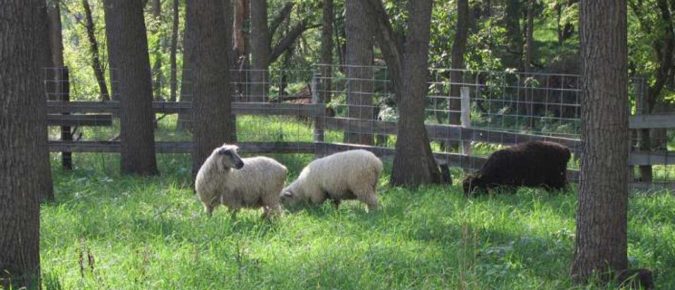
Introduction to silvopasture
Silvopasture is an agroforestry practice that integrates trees, forage, and livestock on the same site and manages the system to protect the environment. Like any agricultural system, silvopasture requires careful management to provide economic benefits and prevent ecological damage.