

Farmers and collaborators across Wisconsin are wrapping up their Nitrogen Optimization Pilot Program (NOPP) trials this year.
Because growing conditions change from year to year, one season alone does not always tell the full story. NOPP projects take place for at least two years.
Nitrogen dynamics and response can vary depending on the weather, making it important to have multiple years’ worth of data. Understanding the different responses under varying weather scenarios can greatly aid future decision making.
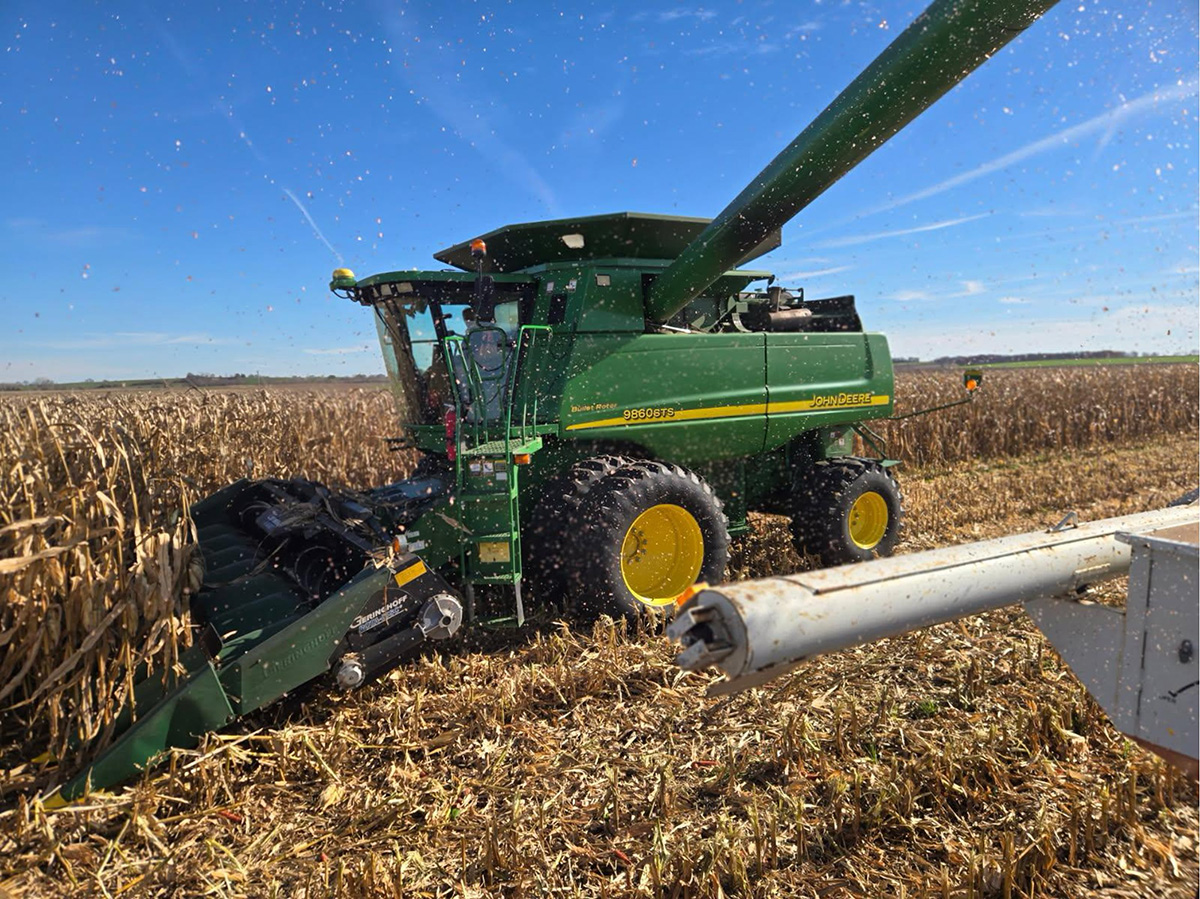
What Does Harvesting a NOPP Trial Look Like?
For some using a calibrated yield monitor, it might not look that different. If plots are designed to be the width of one or more combine passes and at least 350 feet long, then you can harvest normally. However, it is important to make sure to follow plot boundaries. Research trials should be set up with the combine width in mind so harvest goes smoothly and yield monitor data can be utilized.
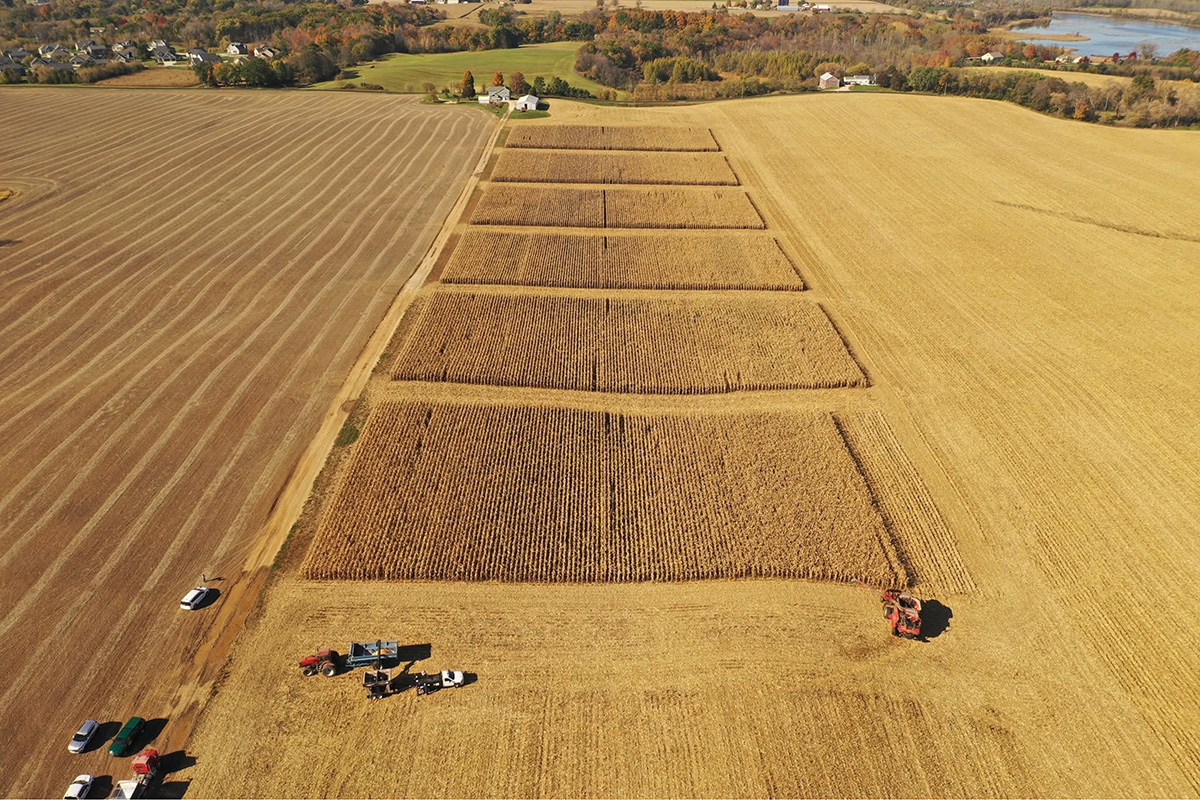
Others use a weigh wagon and moisture sensor to obtain reliable yield data. This does take more time and consideration than typical harvesting would but provides valuable results that you can trust.
All you will need is a weigh wagon with a calibrated scale and a moisture sensor that has also been calibrated. This typically takes at least one additional person to be present to run the weigh wagon.
It will take more time than normal because the combine will need to empty into the weigh wagon after each plot. When you’ve taken the time to implement and manage the trial, being sure to collect good yield data is paramount.
The NOPP team is always available to assist with questions and project setup.
Fall Nitrogen Research Trial Activities
As some fields are being harvested, others are getting planted with cover crops to begin the trial for another year.
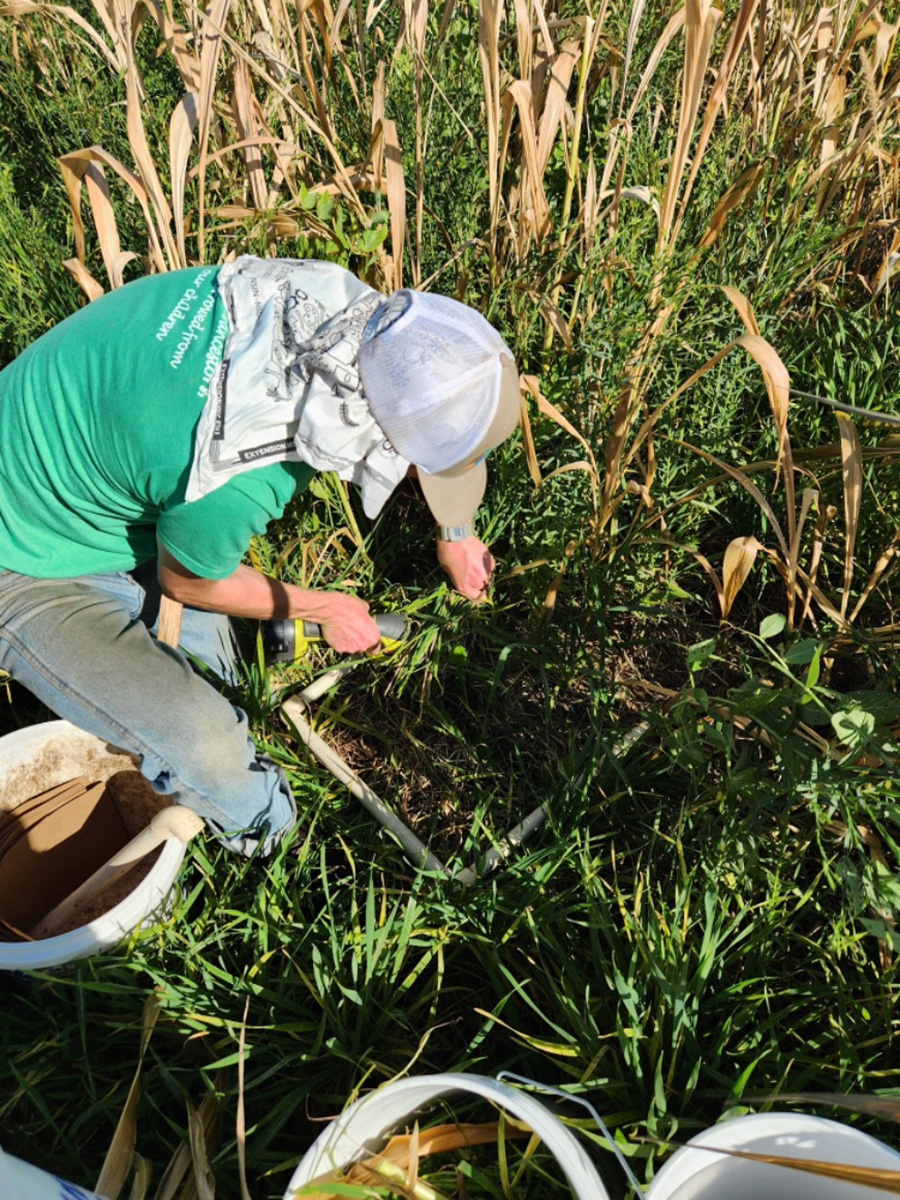
In trials with cover crops, a fall biomass measurement and analysis is recommended, especially for cover crops that will winterkill.
This gives information on total biomass produced and its nutrient content, which can both have an impact on next year’s crop and nutrient availability.
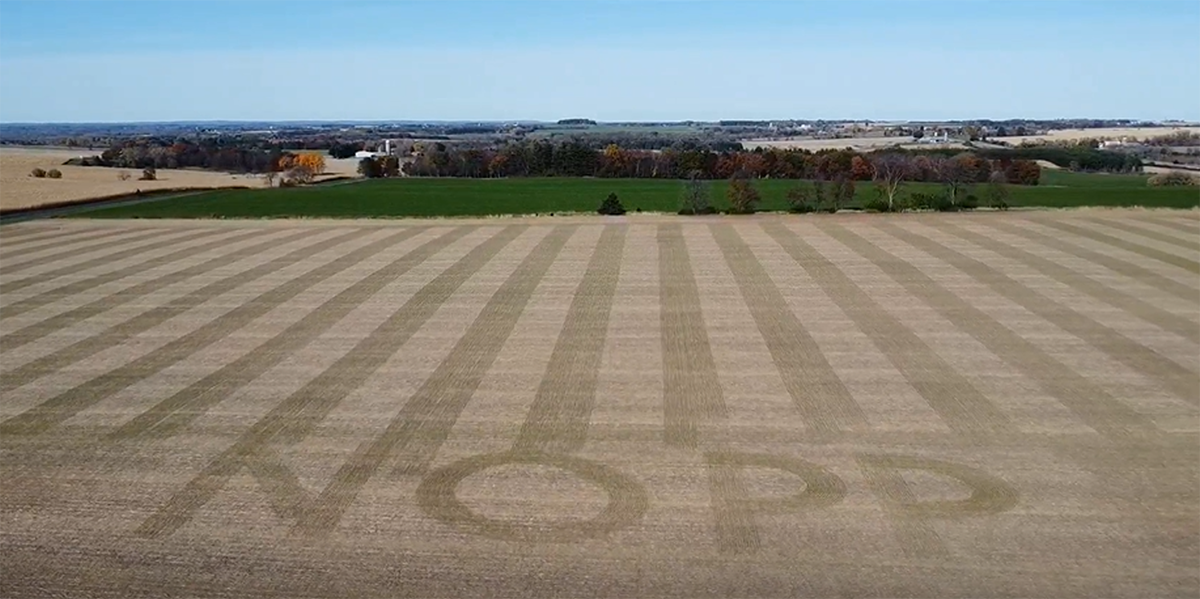
Some fields may also be receiving manure applications which should be sampled and tested for nutrient content.
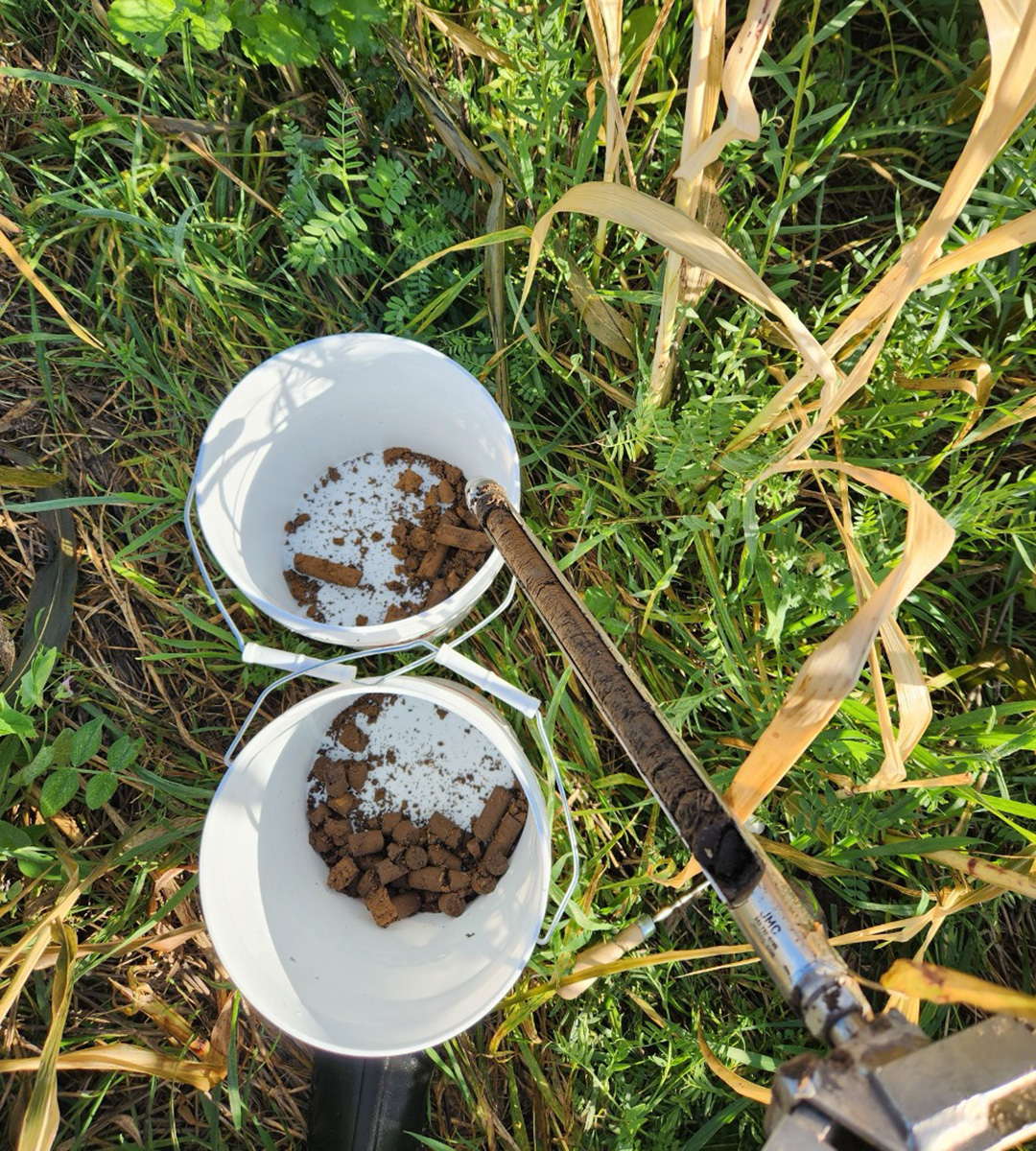
Post-harvest nitrate sampling can provide a measurement of how much residual nitrogen is left after the crop is removed. This can often increase with increasing nitrogen rates if the optimum nitrogen rate was below the maximum nitrogen rate applied. Post-harvest nitrate tests can give valuable insights into water quality risks.
Interested in testing out nitrogen management on your own farm?
$1 million in funding is currently available through NOPP. Apply now: go.wisc.edu/NOPPApplication.
Deadline to submit an Intent to Apply is December 18, 2026. Reach out to DATCPNOPP@wisconsin.gov with any questions or ideas.
Connect with us
Receive support with developing a research question and study design; using precision ag technologies; collecting, analyzing, and sharing data and results; and more.

Why on-farm research?
Farmer-driven, on-farm research is extremely valuable to inform management decisions, promote practice adoption and support the economic, environmental and social well-being of Wisconsin farmers.
Getting started
These resources will help you get started on your on-farm research journey, covering topics of developing a research question, trial design and logistics, data analysis, and more.