

Badger Crops and Soils Update Meetings

Badger Crops and Soils Update Meetings
Access the latest agronomic, pest, and nutrient management research from the University of Wisconsin and learn how it can be applied to Wisconsin’s farmland.
The annual UW Badger Crops and Soils Update Meetings are regional, one-day in-person and virtual sessions that present the latest information on agronomic, pest, and nutrient management research coming out of the University of Wisconsin with a lens to on-farm application.
The in-person registration fee includes lunch. The virtual session has a reduced registration fee.
Recordings of the 2025 Badger Crops and Soils Update Meeting presentations are available online.
2026 Locations and Dates
DEC. 3
Virtual
Online via Zoom
DEC. 4
Madison
UW–Madison Extension Building (3500 University Ave.)
CCA Credits
Certified Crop Advisors can sign in and receive several continuing education units.
2026 Speakers and Agenda
8:00 a.m.
Event Opens: Coffee, Networking, Welcome, and Local Updates
8:40 a.m.
Corn Grain and Silage Agronomy

Dr. Harkirat Kaur, Extension corn agronomist and assistant professor of plant and agroecosystem sciences
9:20 a.m.
Soybean and Small Grain Agronomy
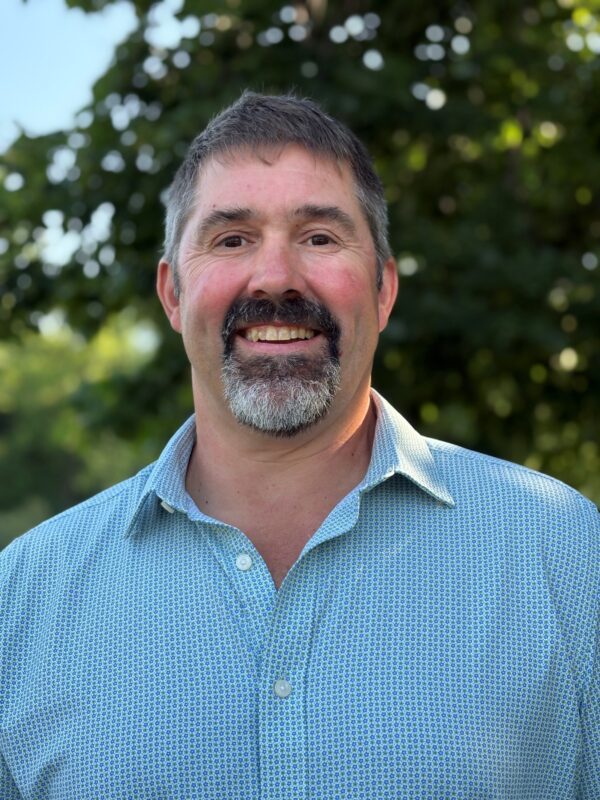
Dr. Shawn Conley, Extension soybean and small grain specialist and professor of plant and agroecosystem sciences
Session Description ↓
From record yields to seed quality issues, 2026 was certainly a year for the books. This session unpacks the state’s top soybean management lessons and successes. We’ll review variety performance data, cover crop management tweaks, and outline practical soybean management adjustments for the 2027 season. Bring your questions and get informed, nothing is off the table, provided you’re ready for an honest answer.
10:00 a.m.
A2809 Updates: Wisconsin Nutrient Recommendations and Database Development

Dr. Natasha Rayne, Extension soil fertility specialist and assistant professor of soil and environmental sciences
Session Description ↓
This presentation provides an update on A2809 revision efforts, highlighting recent changes to nutrient recommendations and progress in data synthesis and database development. Topics include updated nitrogen recommendations for corn, revisions to phosphorus and potassium recommendations for corn and soybean, and the development of databases to support manure nutrient availability estimates and nitrogen management in wheat. Together, these efforts aim to strengthen the scientific foundation of nutrient recommendations and improve nutrient management guidance for producers.
10:50 a.m.
Break
11:00 a.m.
Yield Monitor Accuracy

Dr. Brian Luck, Extension agricultural machinery and precision technology specialist and associate professor of biological systems engineering
11:30 a.m.
Establishing Alfalfa After Cereal Rye: A Discussion on Allelopathy
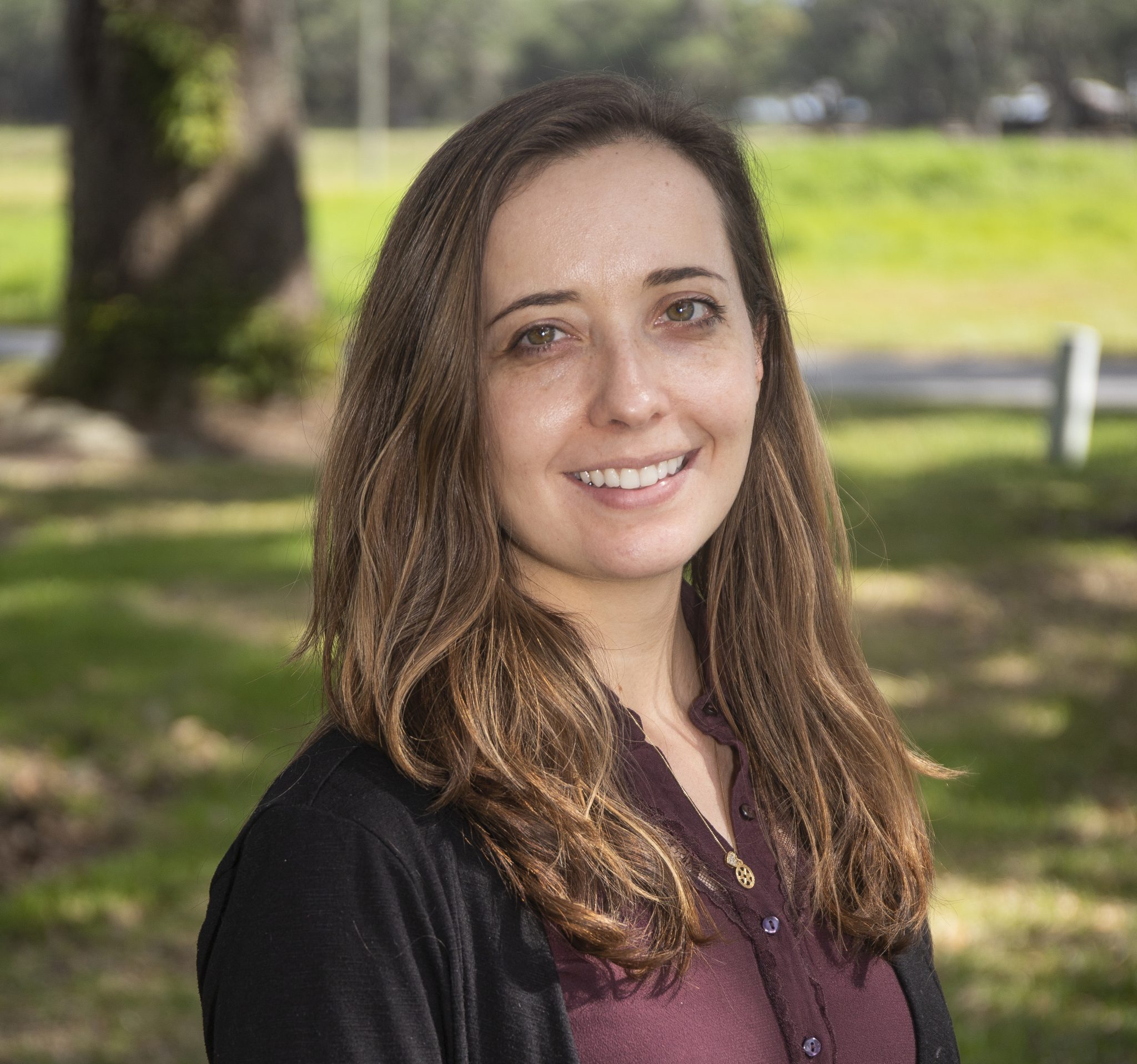
Dr. Marta Kohmann, Extension forage systems agroecology specialist and assistant professor of plant and agroecosystem sciences

Luana Queiroz, Extension alfalfa outreach specialist
Session Description ↓
In this presentation, we will go over the principles of allelopathy and why allelopathic cereal rye is important in forage production systems. We will also go over results from field experiments evaluating alfalfa establishment after cereal rye, investigating how different alfalfa cultivars react to allelopathy and how different cereal rye termination strategies affect the alfalfa stand.
12:00 p.m.
Lunch
12:30 p.m.
Wisconsin Field Crop Diseases in 2026: Winners, Losers, Surprises, and Strategies for 2027

Dr. Damon Smith, Extension field crop pathologist and professor of plant pathology
Session Description ↓
Which diseases made their mark in 2026, and which ones were held in check? This session will unpack the season’s biggest disease challenges across Wisconsin field crops, highlight unexpected trends, and share practical lessons learned from this past season. We’ll review the latest fungicide performance data, discuss what worked (and what didn’t), and identify key threats and opportunities heading into 2027. Bring your questions and join the conversation about protecting yields in the year ahead.
1:20 p.m.
2026 Weed Management Lessons: What Worked, What Didn’t, and What’s Next
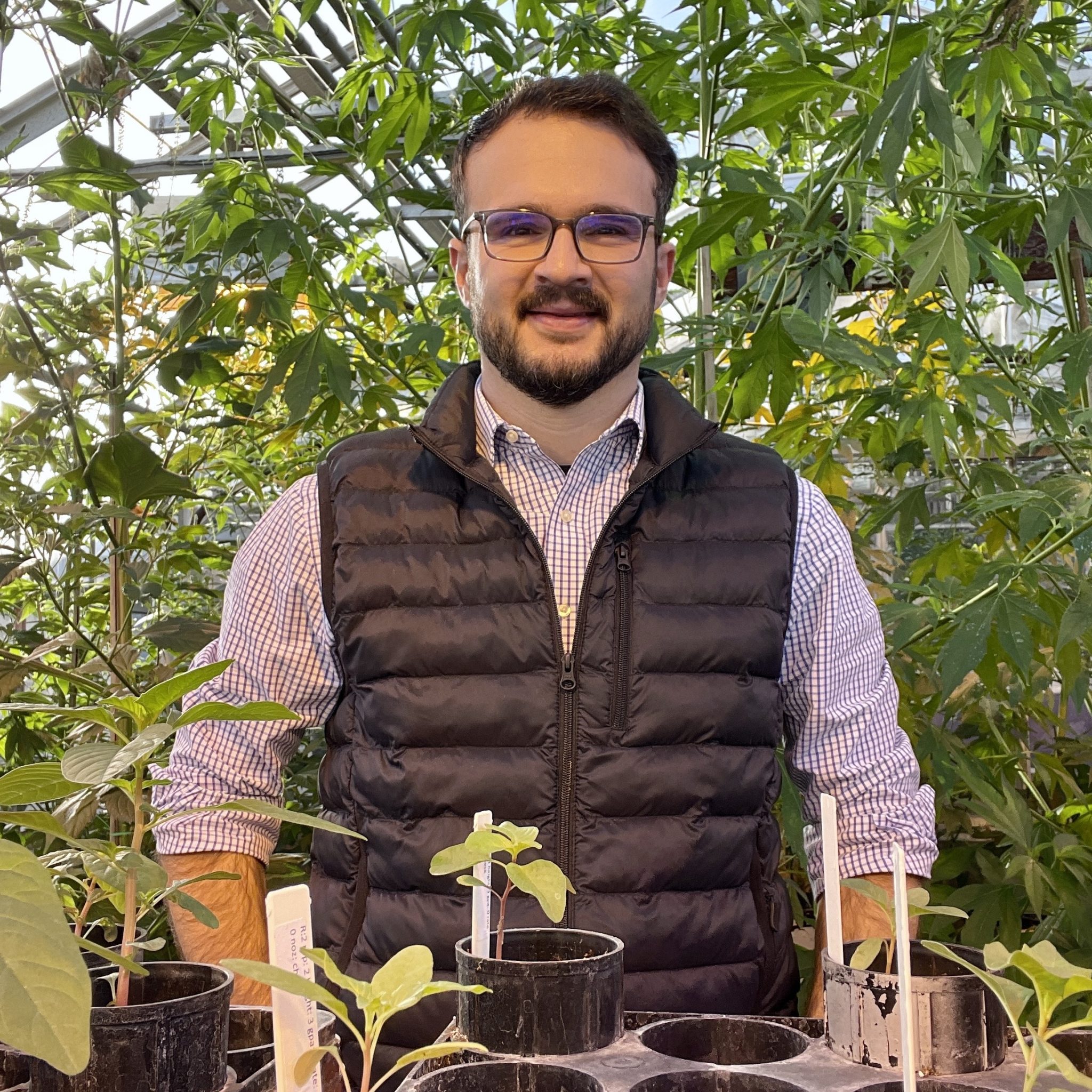
Dr. Rodrigo Werle, Extension weed scientist and associate professor of plant and agroecosystem sciences
Session Description ↓
This presentation will highlight key weed management lessons from the 2026 growing season, with a focus on waterhemp management in Wisconsin corn and soybean production. Updates will include our latest research on new and emerging herbicide options, herbicide mixtures and programs, and the integration of cover crops as part of a diversified waterhemp management strategy. We will discuss what worked, what didn’t, and how these findings can help inform weed management decisions for 2027 and beyond.
2:10 p.m.
Break
2:20 p.m.
Choose Your Own Adventure: Insect Pest Edition
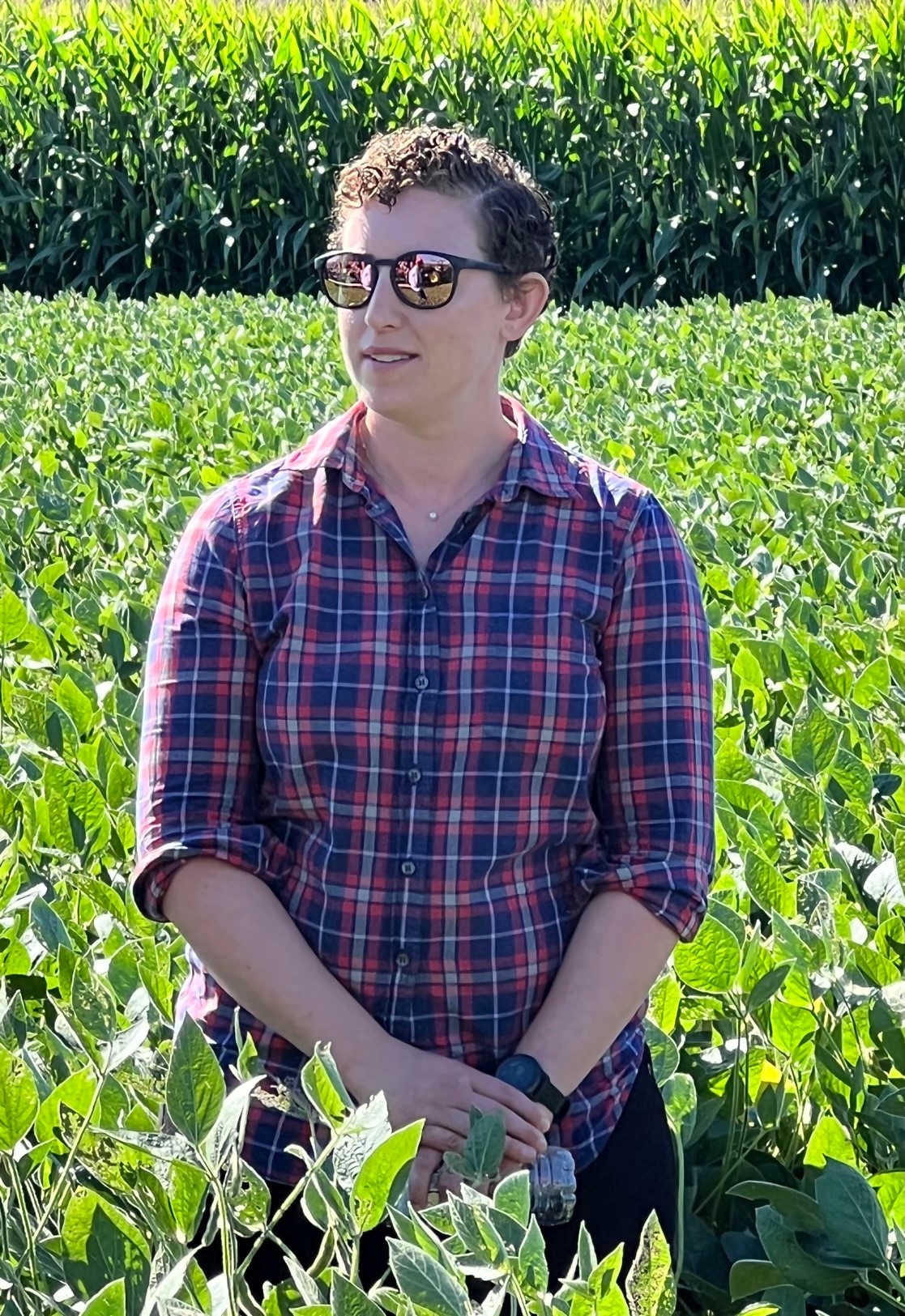
Dr. Emily Bick, Extension field and forage crop entomologist and assistant professor of entomology
Session Description ↓
This year’s insect talk will be a choose-your-own-adventure-style talk, where you can vote on which topics you want to focus on most. Topics include:
- Unexpected pests and strategies in conservation cropping systems
- Likely future pests of Wisconsin
- Trait and insecticide resistance updates
- Forage pest updates
3:10 p.m.
Preventing Phosphorus Loss and Understanding Nitrate Leaching
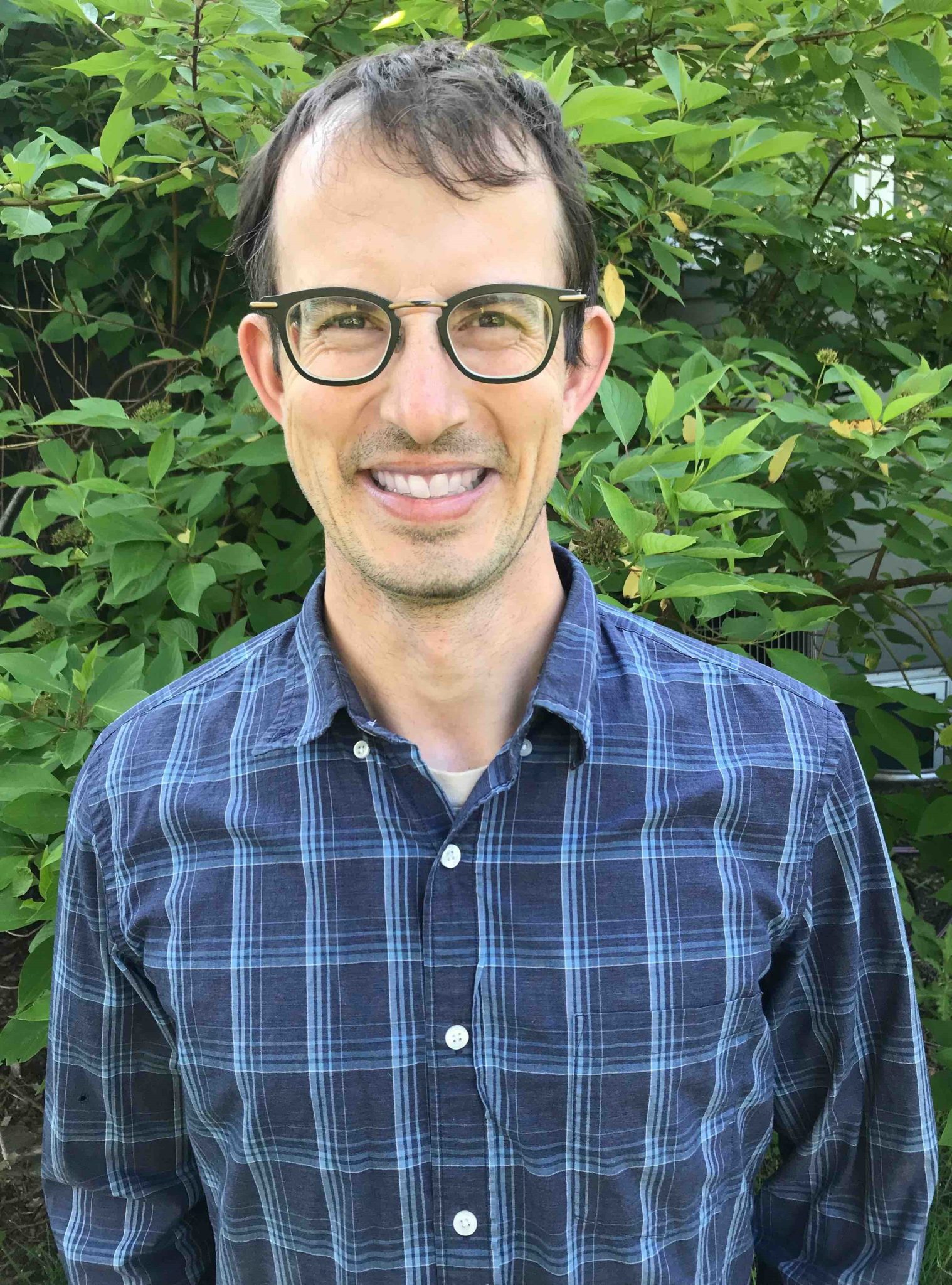
Dr. Steven Hall, Extension agriculture water quality specialist and assistant professor of plant and agroecosystem sciences
Session Description ↓
I will highlight the most impactful practices to reduce phosphorus runoff and nitrate leaching, drawing on a recent statewide science assessment and field data. I will also introduce a new method for rapid soil nitrate testing.
3:35 p.m.
How Do Long-Term Soil Health Practices Impact Infiltration and Aggregation?

Dr. Mallika Nocco, Extension agrohydrologist and assistant professor of biological systems engineering
Session Description ↓
I will present infiltration and aggregate stability data from long-term plots with different tillage and cover cropping strategies in Wisconsin.
Register Now!
Pricing ↓
Early bird discount available through Nov. 16!
In-Person (Eau Claire, Appleton, or Madison): $70
Online (Virtual via Zoom): $50
Student discounts available!
2025 Sponsors
Thank you to Byron Seeds for sponsoring the 2025 Badger Crops and Soils Update Meetings!

Interested in Sponsoring?
A $500 sponsorship provides 20 Wisconsin students and early-career ag professionals the opportunity to attend this event. In turn, your business will receive a thank you on the event website and a verbal acknowledgment at the meetings across Wisconsin.
A $1000 scholarship provides 40 students and early-career ag professionals the opportunity to attend. In turn, your business will receive all the same benefits as above plus one in-person registration.
To sponsor this event, please reach out to our team.
This program is sponsored by the University of Wisconsin-Madison Division of Extension and the University of Wisconsin-Madison College of Agricultural and Life Sciences.
The University of Wisconsin–Madison Division of Extension provides equal opportunities in employment and programming in compliance with state and federal law.
You may request an interpreter, materials in an alternative language or format, or other services to make this event more accessible by emailing cropsandsoils@extension.wisc.edu. There’s no added cost to you for these services.