2024 has provided no shortage of variable weather patterns here in Wisconsin. Each season has contributed to a unique domino effect the likes of which we haven’t seen in some time, if ever. We began by emerging from the single warmest winter on the books for Wisconsin, allowing for field work to take place early and plenty of tillage was concluded before the spring rains arrived. This year, not only did they arrive, but topped the records for statewide rainfall in May and June. From a soil erosion perspective, this left newly dislodged soil aggregates sitting atop freshly buried residue, just below barely emerged crop canopies, at the mercy of the historic 12.5” of rain that fell in those two months.
Fast forward to this fall, and while the spring was a historic reversal from 2023’s severe drought, this fall has seen much of the state reverting back to at least abnormally dry, if not worse, on the drought monitor. With field conditions favorable for a stable harvest schedule, and planning for crop year 2025 underway, the next 8 weeks provide a golden opportunity to evaluate how your fields held up to this rollercoaster of a year. If you noticed scarred areas while harvesting, or suspect individual gullies in vulnerable areas have re-appeared, now is the perfect time to inventory those and decide on how you want to proceed on making your fields more resilient to years like this in the future. In Wisconsin, Discovery Farms has assembled a guide specifically for folks to visually review their fields on their own for this very purpose. Their Field Walkover Guide can be found here.


Figure 1. Adapted from the University of Wisconsin Field Walkover Guide. Left: example of gully erosion to look for and implement erosion control practices. Right: example of an erosion control practice (grassed waterway) that needs reshaping.
Depending on the type of erosion you observe, whether it be classic gullies or sheet and rill erosion, the solutions may require one step or multiple. Simply filling in notably eroded spots with more tillage isn’t one of them. Instead, consider some in-field and edge-of-field practices, in addition to practices such as minimized tillage, cover cropping, and crop diversification. Most require little if any earthmoving, and you can usually begin establishment in spring before crops are planted, but only if you get planning and design work started now, before the snow flies. Review tried and true soil erosion prevention practices below, and learn more at the links provided.

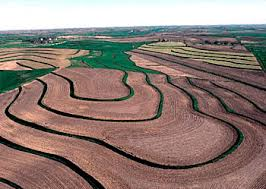
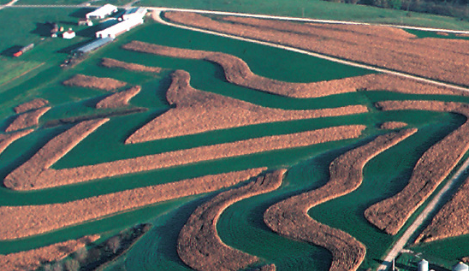

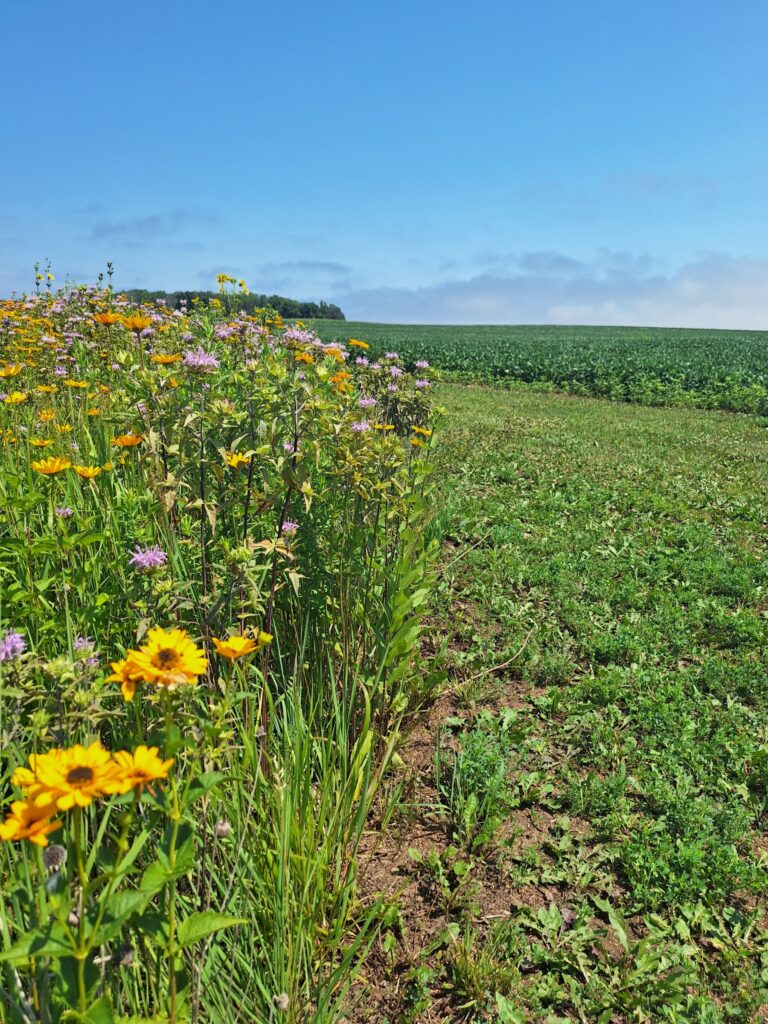
Another resource that may help you decide which route to go is your local Pheasants Forever Precision Ag and Conservation Specialists. Precision Ag and Conservation Specialists, like the ones at Pheasants Forever, help farmers identify areas of lower productivity on their farm, and determine if it makes sense to remove those acres from production. Doing this can save you money on inputs and provides benefits to reducing erosion as well. You can review success stories from other farms like the one below here.

Chances are, your local USDA service center, or county conservation office has funds available to help you make running water walk. If you’re tackling this issue on your own instead, then knowing how to implement these practices correctly, safely, and effectively is vital to ensuring the solution lasts, and that more of your acres remain profitable.
Given enough time and opportunity, erosion makes each affected acre less and less capable of paying you back the annual inputs you apply every year. The sooner you act, the richer the topsoil you retain, and the higher your rate of return for any conservation projects you put on the landscape. Act now by making an inventory this fall of your erosion concerns and prepare yourself to maximize the return on investments you are inevitably going to be making in 2025 and beyond. Your future self will thank you for it.
References
Tinker, Richard., & Gutzmer. Denise (2024, October 8th). Wisconsin. US Drought Monitor. https://droughtmonitor.unl.edu/CurrentMap/StateDroughtMonitor.aspx?WI
Mason, Bridgette., (2024, February 29th). February and Winter 2024 Climate Summary. Wisconsin State Climatology Office. https://climatology.nelson.wisc.edu/february-and-winter-2024-climate-summary/
Vavrus, Steve., Mason, Bridgette., Hopkins, Ed. (2024, June 30th). June 2024 Climate Summary. Wisconsin State Climatology Office. https://climatology.nelson.wisc.edu/june-2024-climate-summary/