Skip to content
UW Madison Crest

Crops and Soils

Division of Extension

  • Topics
    • Economics, Budgets and Financials
    • Emerging Crops
    • Forage Production and Management
    • Fruit and Vegetable Production
    • Grain Production and Management
    • Grazing
    • On-Farm Research
      • Nitrogen Optimization Pilot Program
    • Pest Management
    • Soils, Nutrient Management, and Soil Health
  • Events
    • Events Calendar
    • Forage and Cover Crop Field Day
    • Agronomy and Soils Field Day
    • Weed Management Workshop
    • WWASH Conference
    • Badger Crops and Soils Update Meetings
  • News
    • News
    • Get Connected
      • Wisconsin Crop Manager
      • Wisconsin Fruit News
    • Hay Market Report
    • Ag Weather Outlook for Wisconsin
  • Programs
    • Webinars
      • Badger Crop Connect
      • Emerging Crops Webinars
      • Focus on Forage
      • Foundational Crop Scouting Training
      • Vegetable Production Webinars
    • Podcasts
  • Articles
  • People
  • About
  • Contact Us
Search
University of Wisconsin-Extension

Articles

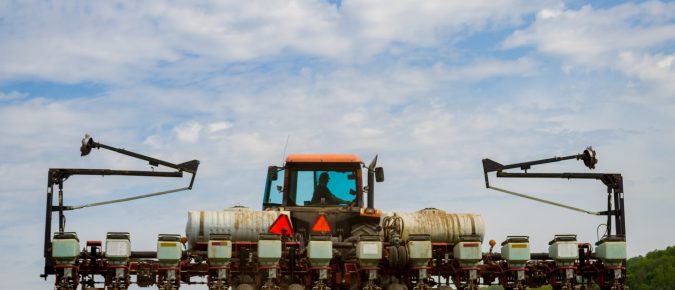
Field Notes Trailer

Field Notes Trailer

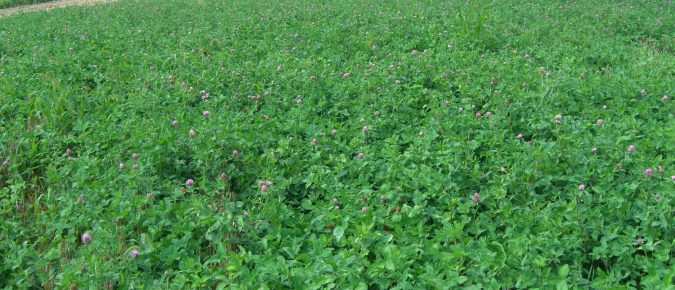
Spring Cover Crop Termination Considerations

Spring Cover Crop Termination Considerations

Cover crop termination timing is key to maximize anticipated cover crop benefits while reducing competition with a cash crop.

Winter Wheat and Soil Carbon

Winter Wheat and Soil Carbon

September 22, 2021 12:30-1:30 pm   Local Update Michael (Mike) Ballweg, Extension Crops and Soils Agent Cropping Systems and Practices that Build Soil Carbon  Randy Jackson, UW-Madison Agronomy Professor Setting Up the Winter Wheat Crop for Success Shawn Conley, UW-Madison Extension Soybean & Small Grain Specialist

Aphanomyces Root Rot of Alfalfa

Aphanomyces Root Rot of Alfalfa

Aphanomyces root rot (ARR) is a serious disease of both recently seeded alfalfa and established alfalfa stands.  ARR can cause severe yield reductions in affected alfalfa fields.  Variations of the disease also occur on many other legumes (including soybean, snap bean, faba bean, red kidney bean, pea, red clover, and white clover) and can cause significant losses in these crops as well.

Considerations for Selecting Annual Grain Hybrids and Varieties

Considerations for Selecting Annual Grain Hybrids and Varieties

The selection of corn hybrids and soybean and small grain varieties has a major influence on yield and overall profitability of crop production.  The disparity in yield between varieties on both ends of the spectrum is quite large.  At the University of Wisconsin, corn hybrid research has shown an average yield spread of 70 bushels/acre […]

Find a farm enterprise that’s right for you with eFarmony, the agricultural matching tool

Find a farm enterprise that’s right for you with eFarmony, the agricultural matching tool

Trying to decide what agriculture enterprise is right for you? An online tool from UW-Madison Extension helps you determine which is the best fit for you.

Harvest Season Clean Out

Harvest Season Clean Out

Limiting the spread of weed seed between fields is a key part of an integrated pest management system. This is especially important, because the weeds present at harvest were allowed to produce seed and have survived other control attempts during the growing season. These weed seeds, if allowed to spread and germinate, have the potential to become difficult to control elsewhere.

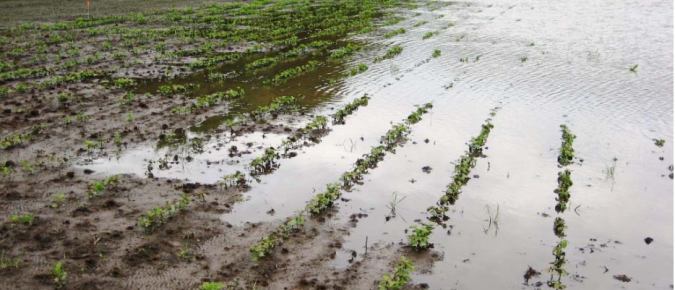
Effect of Seedling Year Stress on Future Alfalfa Yields

Effect of Seedling Year Stress on Future Alfalfa Yields

Stress in the seeding year reduces future yields of alfalfa. This occurs because the seeding year determines the stand plant density as well as individual plant size and vigor. The following paragraphs will show that autotoxicity, potato leaf hopper, cover crop, and, possibly, drought stresses in the seeding year will reduce alfalfa yield in future years, even when the stress is gone.

Weighing the Risk of Fall Alfalfa Harvest – Balancing Forage Production and Potential Stand Longevity

Weighing the Risk of Fall Alfalfa Harvest – Balancing Forage Production and Potential Stand Longevity

The decision to take a late summer or fall cutting of alfalfa should be considered carefully. A farm should evaluate current forage needs, economics, stand health, and timing to make the best decision for their individual situation. Although the need for more forage may override some other factors, the timing of harvest is still critical. […]

Alfalfa Fall harvest and the buildup of reserves

Alfalfa Fall harvest and the buildup of reserves

While farming in the ‘North’ brings the benefits of growing some of the best forages like alfalfa and cool-season grasses, it also carries the weight of fall decisions that will ‘make or break’ your profit due to risks of winter injury. Fall decisions regarding alfalfa production include proper harvest timing  and providing adequate potassium, leading to strong plants that can survive a severe winter and come back the following year with good yield potential.

Fall Manure Management

Fall Manure Management

September 8, 2021 12:30-1:30 pm   Local Update Kimberly Schmidt, Extension Shawano County Agriculture Educator Are nitrate inhibitors beneficial?   Carrie Laboski, UW-Madison Extension Soil Specialist  Cover Crops that Best Scavenge N for Water Quality  Jamie Patton, Senior Outreach Specialist, UW-Madison NPM Program

Want to improve soil health? Start with minimizing erosion. 

Want to improve soil health? Start with minimizing erosion. 

Soil health is something we hear a lot about these days. Cover crops, soil health tests, diversity in crop rotations, and reduced compaction are all ways to improve soil health. While it is true, cover crops and diverse rotations can improve soil health and tests to measure progress are good, there is some low hanging fruit that farmers may be missing when it comes to improving soil health.  

Posts navigation

Posts pagination

◄ Page 1 … Page 29 Page 30 Page 31 Page 32 Page 33 Page 34 Page 35 Page 36 Page 37 Page 38 Page 39 … Page 47 ►

Division of Extension

Connecting people with the University of Wisconsin

  • Agriculture
  • Community Development
  • Health & Well-Being
  • Families & Finances
  • Natural Resources
  • Positive Youth Development
University of Wisconsin-Madison      |        Explore Extension: Agriculture Community Development Families & Finances Health Natural Resources Youth
Connect With Us
Support Extension
Extension Home

We teach, learn, lead and serve, connecting people with the University of Wisconsin, and engaging with them in transforming lives and communities.

Explore Extension »

County Offices

Connect with your County Extension Office »

Map of Wisconsin counties
Staff Directory

Find an Extension employee in our staff directory »

staff directory
Social Media

Get the latest news and updates on Extension's work around the state

facebook iconFacebook

twitter icon Follow on X


Facebook
Follow on X

Feedback, questions or accessibility issues: info@extension.wisc.edu | © 2026 The Board of Regents of the University of Wisconsin System
Privacy Policy | Non-Discrimination Statement & How to File a Complaint | Disability Accommodation Requests

The University of Wisconsin–Madison Division of Extension provides equal opportunities in employment and programming in compliance with state and federal law.