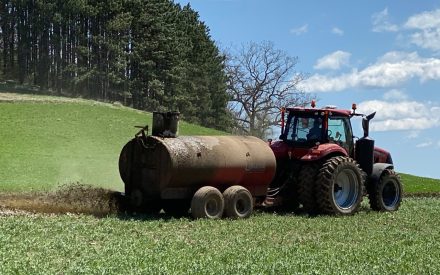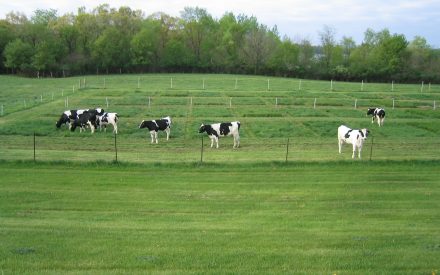
Farming has always been built on partnerships to get crops planted and harvested, cows milked, and livestock fed. Those partnerships can be with family, friends, neighbors, or hired help to ensure farming activities are completed in a timely manner. Hiring help to do custom operations continues in many ways on today’s farms and takes careful consideration and planning to ensure success for everyone involved.
Deciding to Hire a Custom Operator
It is no secret that agricultural equipment has grown larger and more expensive over the past decade. Equipment is designed to cover more acres, harvest more bushels, pump more gallons, and sometimes operate itself all in a shorter amount of time, adding to overall operational efficiency. The size and efficiency of new equipment do come with a cost – a very expensive ownership cost, which many farms do not want to incur.
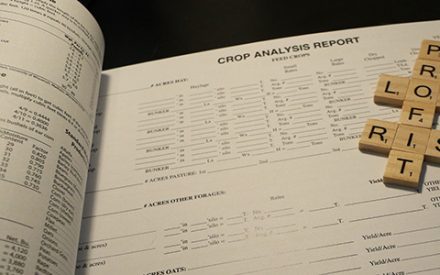
Some farms are moving toward hiring a custom operator since owning a piece of equipment, which may only be used a few days out of the year, may not make farm-business sense. Determining if equipment ownership or hiring a custom operator is best can be calculated using a partial budget analysis to discover what economic tradeoffs exist between the farmer’s time, investment, and crop and product quality versus hiring a custom operator. An enterprise budget tool can also help identify areas where hiring a custom operator might make sense.
Equipment ownership boils down to the initial cost, depreciation, interest, repairs/maintenance, and insurance. A farm whose machinery has aged, and repair costs are mounting, may consider a custom operator and liquidate equipment and eliminate repairs. Custom operators will base their rates on these costs plus labor and fuel. Average custom rates for various field operations in Wisconsin are available for reference. Other state universities also publish a custom rate guide.
Hiring a custom operator often has benefits in addition to alleviating time and labor challenges a farm may be facing. Dairy and livestock farmers may have other timely interests such as animal health and care than they do in planting or harvesting crops. Hiring a custom operator can assist in freeing up time to allow farmers to take care of dairy and livestock animal needs. Custom operator equipment often has the latest safety features and technological advances such as calculating forage and grain yield, producing yield maps, and providing variable rate applications which adds value to estimating forage inventory and estimating fertilizer and crop nutrient needs.
Hiring the Right Custom Operator
The best way to select a custom operator is to visit other farms who are using one and ask about their experiences. Ask the custom operator if they have the capacity to add your farm or acres to their client portfolio. Custom operators should be able to supply a list of clients as references if they are able to take on an additional farm. The farmer should ask about the type of equipment they use, the age of their equipment, and an estimation of average machine “down time” per year or per job. The farmer should also ask if additional labor or on-farm equipment is needed, such as hauling loads, and if the farm needs to provide employees to help or pay for additional labor hired by the custom operator. The custom operator should also be interviewing the farmer during this meeting and asking about personal and credit references. If a custom operator is hired, have an off-season meeting for the custom operator to learn about the farm management, facility layout, and field maps.
Documenting the Agreement
Always get the details in writing once an agreement is reached between the farmer and custom operator. These details may include: the service(s) provided, number of acres to be covered, and when the service is to be performed. If dependent on weather or crop maturity, who decides when the operation will occur? Cost rate per hour or acre, when payment is due, and any guidelines or guarantees around crop or service quality need to be agreed upon. If rates are determined by acre, yield, or animal performance, also discuss and document how these will be measured for invoicing and payment. It’s important to determine these measurements ahead of time, as one party may feel that one method is more accurate than another. For example, the parties may feel that computer generated field maps should not be used unless agreed upon by both parties as those maps may be inaccurate.
Other details to be considered include factors specific to conservation practices and avoiding sensitive areas, number of employees from either party needed or expected to help, liability for non-farm employees on farm property or using farm equipment, and how fuel and maintenance will be handled.
The farm and the custom operators are businesses, and it is good business to get contracts and agreements in writing. A written contract will protect both the farm and custom operator businesses from misunderstandings or accusations of what was expected to be completed. Both parties need to agree to everything in the contract agreement before signing the contract. Concerns about anything in the contract should be reviewed by an attorney before signing.
A written agreement is the gold standard, but if the farm and custom operator do not use a written agreement, documenting the agreement is still important. Save emails, text messages, or notes that may serve as “evidence” of the agreement in the event of a dispute.
The Farmer-Custom Operator Relationship
Building the relationship between the farmer and custom operator can take time and effort. Committing to a custom operator over several years is beneficial as the custom operator will become familiar with the farm layout, field names and locations, management, and employees which can help the farm work run smoother. Additionally, regular clients may be the priority of the custom operator after weather delays or other interruptions and have their work done before farms that are not consistent customers.
Consider the following points to foster a good working relationship:
- Set Realistic Expectations: Many custom operators have a relatively set rotation of clients based on soil types, size and shape of fields, location, and other factors. The farm should not expect service on the exact day a crop is ready, or a task needs to be performed. A major consideration of hiring a custom operator is the farmer needs to be willing to give up some control of the task hired out. Alternatively, the custom operator needs to understand the expectations of the farm and how this new client’s management fits into their existing client base.
- Communication: If the farmer decides to hire a custom operator for a specific task, clear communication is necessary to ensure the task is completed timely for the satisfaction of both parties. Crop moisture, maturity, and field conditions need to be communicated to the custom operator to gauge potential harvest or planting dates and manage their workload. The custom operator should provide communication back to the farmer about services provided such as yield information, application rates, and confirm the fields that received custom operations.
- Plan Ahead: Preparing for arrival of the custom operator can help the operation go more efficiently and save the farm money. Checking fields for obstacles such as fence posts, tree limbs, stones, and soil washouts can keep the custom operation from stopping to clear or avoiding these areas.
Conclusion
The decision for a farm to use a custom operator can be driven by economic and social factors related to future business goals and personal priorities. Financial analysis of partial and enterprise budgets can provide data and insight into the potential economic benefit of hiring specific custom operations. If so, a written contract is necessary for both parties to fully understand the agreement and expectations of each other. Clear and frequent communication is critical to creating and maintaining a positive farm and custom operator relationship.
References
- Forging a Partnership with a Custom Operator, Focus on Forage, Vol 15, No.1, Matt Digman, US Dairy Forage Research Center, Madison, WI
- Working Successfully with a Custom Operator, Joe Stellato and John Biese, Crops and Soils Agents, UW-Madison Extension
Published: July 9, 2026
Reviewed by:
Brian Luck, PhD, assistant professor, Department of Biological Systems Engineering
Todd Prill, agriculture water quality outreach specialist, UW–Madison Extension