Skip to content
UW Madison Crest

Crops and Soils

Division of Extension

  • Topics
    • Economics, Budgets and Financials
    • Emerging Crops
    • Forage Production and Management
    • Fruit and Vegetable Production
    • Grain Production and Management
    • Grazing
    • On-Farm Research
      • Nitrogen Optimization Pilot Program
    • Pest Management
    • Soils, Nutrient Management, and Soil Health
  • Events
    • Events Calendar
    • UW Forage and Cover Crop Field Day
    • Agronomy and Soils Field Day
    • Wisconsin Extension Weed Management Workshop
    • WWASH Conference
    • Badger Crops and Soils Update Meetings
  • News
    • News
    • Get Connected
      • The Wisconsin Crop Manager
    • Hay Market Report
    • Ag Weather Outlook for Wisconsin
  • Programs
    • Webinars
      • Badger Crop Connect
      • Emerging Crops Webinars
      • Focus on Forage
      • Foundational Crop Scouting Training
      • Vegetable Production Webinars
    • Podcasts
  • Articles
  • People
  • About
  • Contact Us
Search
University of Wisconsin-Extension

Berseem Clover

Written by Cover Crops Resources
Share
  • Share:
  • Share on Facebook
  • Share on X (Twitter)
  • Share via Email
  • Copy Link

Copied!

General Comments

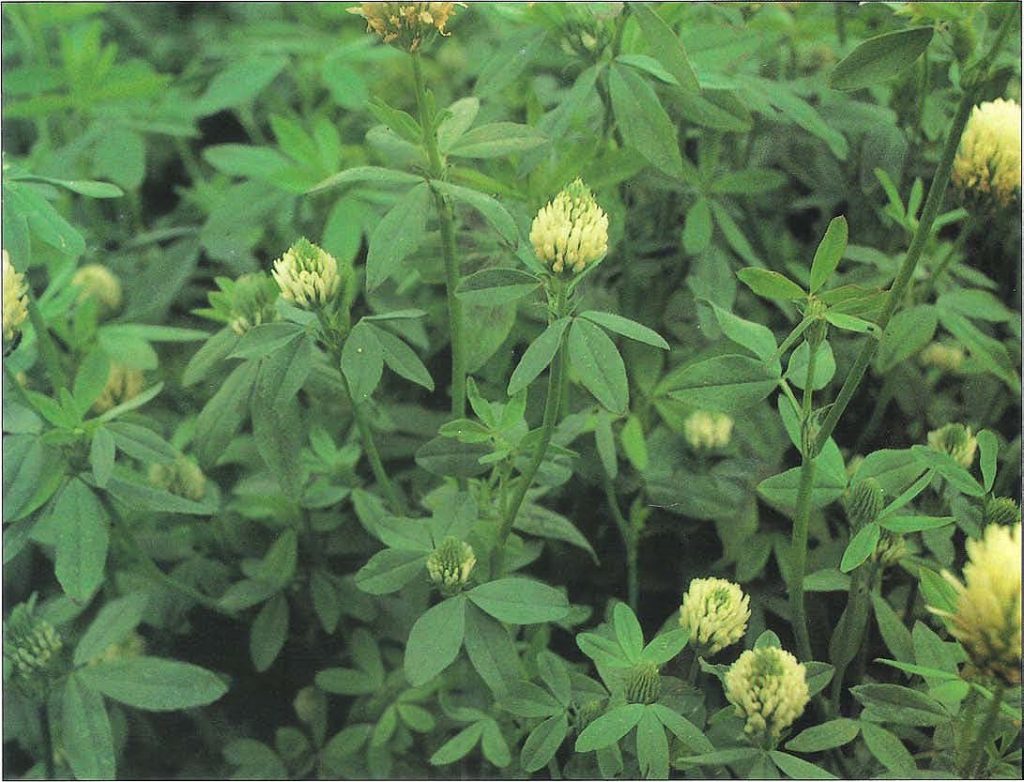
Berseem is a fast-growing, annual clover that will winter-kill. Berseem clover will grow quickly when planted in mid-summer if moisture is sufficient.

For fall forage, 1.5 to 2 tons dry matter (TDM) per-acre biomass production is possible

A 40-60 lbs N per-acre nitrogen credit is possible for a subsequent crop (following year).  However, growth and N accumulation may be limited under dry conditions.

Plant annual legumes July 15 to August 15 in southern WI, or until August 5 in the north.

Planting specifications

Seeding rate: 10-12 lbs per-acre alone

Depth: ¼ inch.

Inoculate seed with Rhizobium leguminosarum biovar trifolii (R. trifolii).

Management and termination

None needed, will winter kill in Wisconsin

In a cover crop mix

After wheat: Berseem can be mixed with any of the small grain cover crops. 8-10 lbs with 30 lbs per-acre oats or barley.

Research in Wisconsin

This study explored using Berseem and Crimson Clovers after winter wheat.
Print This Page

You May Also Like

  • ▶ Scouting for Crop Nutrient Deficiencies▶ Scouting for Crop Nutrient Deficiencies
  • Field Notes Episode 11: Farming + Solar = AgrivoltaicsField Notes Episode 11: Farming + Solar = Agrivoltaics
  • Prussic acid and nitrate toxicity in sorghumsPrussic acid and nitrate toxicity in sorghums
  • ▶ Watch: Wisconsin Ag Climate Outlook Sept. 11▶ Watch: Wisconsin Ag Climate Outlook Sept. 11

Division of Extension

Connecting people with the University of Wisconsin

  • Agriculture
  • Community Development
  • Health & Well-Being
  • Families & Finances
  • Natural Resources
  • Positive Youth Development
University of Wisconsin-Madison      |        Explore Extension: Agriculture Community Development Families & Finances Health Natural Resources Youth
Connect With Us
Support Extension
Extension Home

We teach, learn, lead and serve, connecting people with the University of Wisconsin, and engaging with them in transforming lives and communities.

Explore Extension »

County Offices

Connect with your County Extension Office »

Map of Wisconsin counties
Staff Directory

Find an Extension employee in our staff directory »

staff directory
Social Media

Get the latest news and updates on Extension's work around the state

facebook iconFacebook

twitter icon Follow on X


Facebook
Follow on X

Feedback, questions or accessibility issues: info@extension.wisc.edu | © 2026 The Board of Regents of the University of Wisconsin System
Privacy Policy | Non-Discrimination Statement & How to File a Complaint | Disability Accommodation Requests

The University of Wisconsin–Madison Division of Extension provides equal opportunities in employment and programming in compliance with state and federal law.