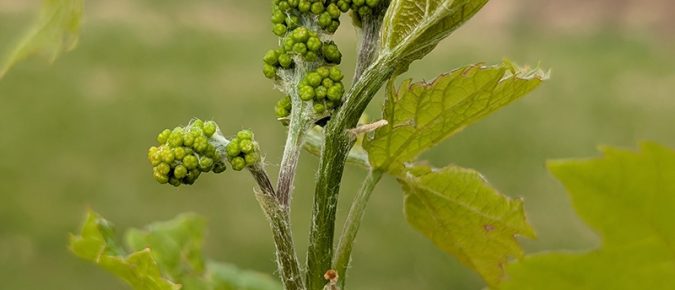
Assessing the nutritional status of your grapevines through mature leaf petiole sampling is one of the most useful tools growers have for managing vineyard health and productivity.
This video covers simple in‑field observations to assess soil structure, compaction, water movement, and soil life, along with practical management practices such as reduced tillage, cover crops, mulches, and soil cover to improve soil function over time.
Interpreting foliar nutrient analysis can sometimes be challenging for growers, particularly when trying to determine whether fertilizer applications are needed and at what rate.
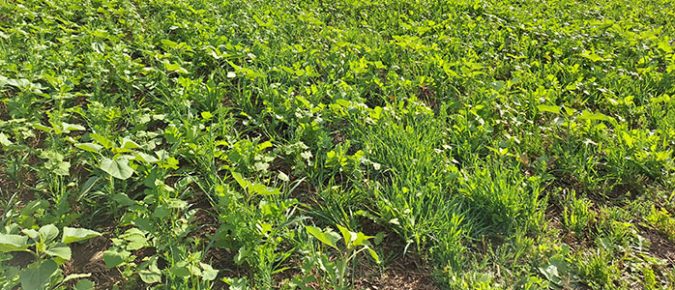
Most farmers are familiar with the benefits of cover crops: they reduce erosion, improve soil health, and help suppress weeds. Cover crops are often incorporated into fields as part of crop rotations, but they can also be planted in the aisles between cash crop beds, providing cover during a time of year when the soil is typically bare. These “living aisles” add additional advantages, such as reducing mud during rainy periods, allowing farmers to access beds when the ground is wet, and keeping harvest bins cleaner. Depending on the species used, living aisles may also be allowed to grow into beds after harvest to provide winter cover.
This article walks through the timing, tools, and methods for seeding cover crops in diversified vegetable crop systems.
Dan Marzu, UW–Madison Extension Nutrient and Pest Management Outreach Specialist, and Guolong Liang, UW–Madison Extension Agriculture Water Quality Outreach Specialist, discuss managing nitrogen in potato and vegetable crops.
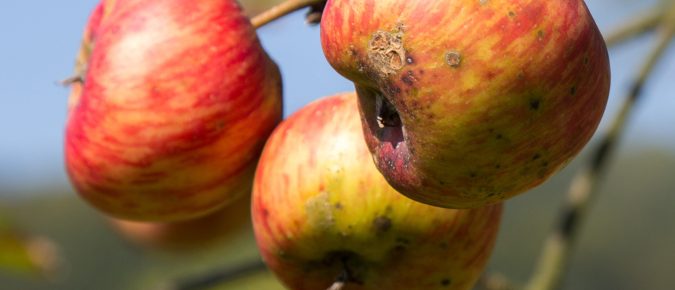
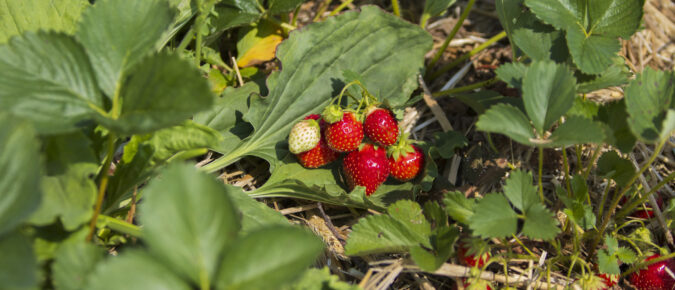
Routine evaluation of fruit crop nutrient status and soil composition are essential to developing sustainable nutrient management practices. This article reviews soil and tissue sampling methodology.