Skip to content
UW Madison Crest

Crops and Soils

Division of Extension

  • Topics
    • Economics, Budgets and Financials
    • Emerging Crops
    • Forage Production and Management
    • Fruit and Vegetable Production
    • Grain Production and Management
    • Grazing
    • On-Farm Research
      • Nitrogen Optimization Pilot Program
    • Pest Management
    • Soils, Nutrient Management, and Soil Health
  • Events
    • Events Calendar
    • UW Forage and Cover Crop Field Day
    • Agronomy and Soils Field Day
    • Wisconsin Extension Weed Management Workshop
    • WWASH Conference
    • Badger Crops and Soils Update Meetings
  • News
    • News
    • Get Connected
      • The Wisconsin Crop Manager
    • Hay Market Report
    • Ag Weather Outlook for Wisconsin
  • Programs
    • Webinars
      • Badger Crop Connect
      • Emerging Crops Webinars
      • Focus on Forage
      • Foundational Crop Scouting Training
      • Vegetable Production Webinars
    • Podcasts
  • Articles
  • People
  • About
  • Contact Us
Search
University of Wisconsin-Extension

Insects

▶ Considerations for 2026 Seed Selection

▶ Considerations for 2026 Seed Selection

Josh Kamps covers hybrid and variety trial data for corn, soybeans, and small grains, pest and disease management considerations, herbicide resistance, and scouting strategies.

Adding Wheat to a Corn-Soybean Rotation to Enhance Pest Management

Adding Wheat to a Corn-Soybean Rotation to Enhance Pest Management

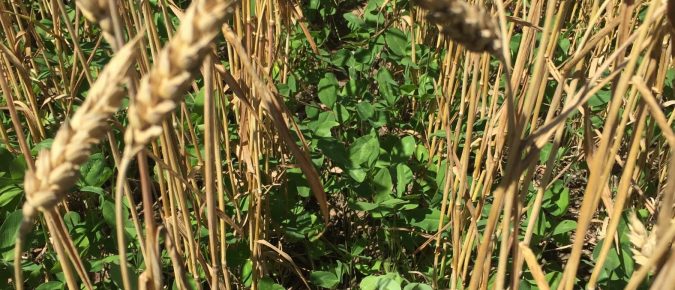
Using wheat to diversify corn-soybean crop rotations can act as a strong foundation for more effective, economic, and sustainable pest management.

First crop insect scouting in alfalfa

First crop insect scouting in alfalfa

It’s almost time to scout for early season insect pests in first alfalfa crops. These pests can impact alfalfa crops’ ability to thrive.

Managing Black Cutworm in Wisconsin Corn Fields

Managing Black Cutworm in Wisconsin Corn Fields

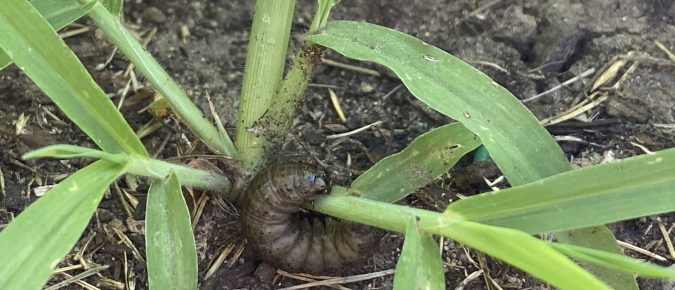
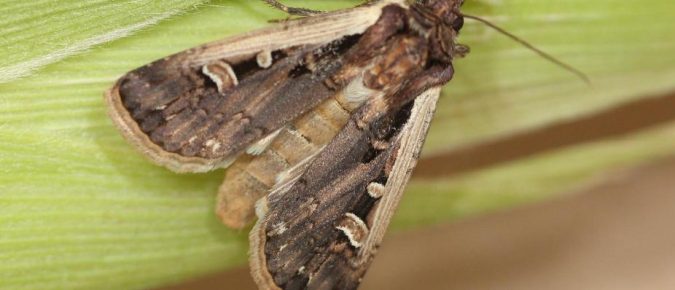
Black cutworm (Agrostis ipsilon) is the most common cutworm species affecting Wisconsin corn, although outbreaks are infrequent and difficult to predict. Black cutworm larvae reduce stand counts and yield potential by cutting corn plants at the base or below ground.

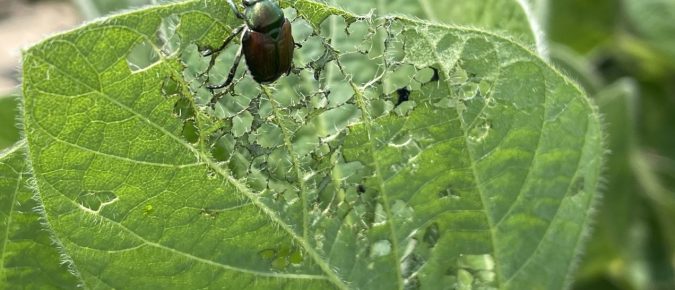
Early season insect scouting in soybean

Early season insect scouting in soybean

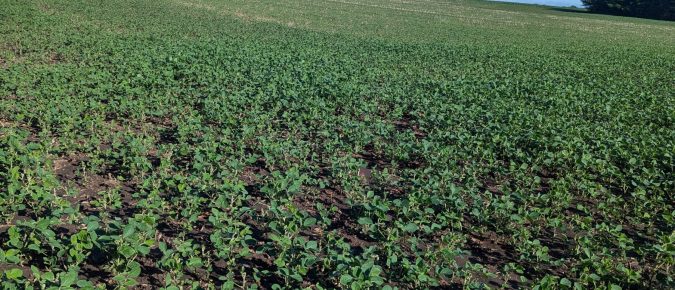
It’s almost time to scout for early season insect pests in corn and soybeans. These pests can impact soybean crops above and below ground.

Early season insect scouting in corn

Early season insect scouting in corn

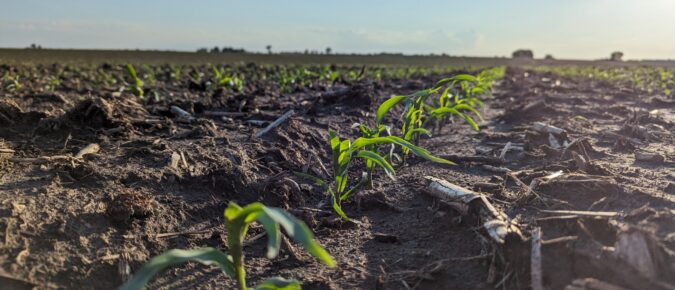
It’s almost time to scout for early season insect pests in corn and soybeans. These pests can impact corn crops above and below ground.

Managing Slugs in Wisconsin Field Crops

Managing Slugs in Wisconsin Field Crops

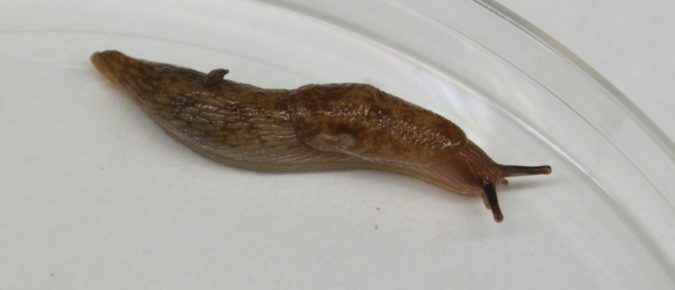
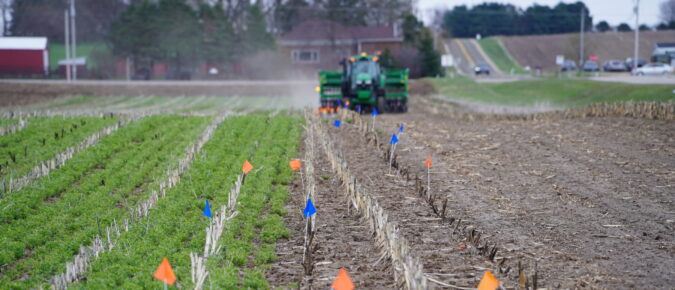
Slugs are becoming an increasingly challenging pest for Wisconsin farmers who use conservation cropping practices like no-till and cover crops. The increased adoption of these practices in recent years, along with milder winters and wetter springs projected for Wisconsin in the future, may increase the importance of slugs as pests of field crops.  

2025 Pest Management in Wisconsin Field Crops (A3646): A guide to managing weeds, insects, and diseases in corn, soybean, forages, and small grains

2025 Pest Management in Wisconsin Field Crops (A3646): A guide to managing weeds, insects, and diseases in corn, soybean, forages, and small grains

This annually updated reference guide is one convenient source for management information on the key pests of corn, soybean, forages, small grains, and stored grains and provides targeted information for Wisconsin growers.

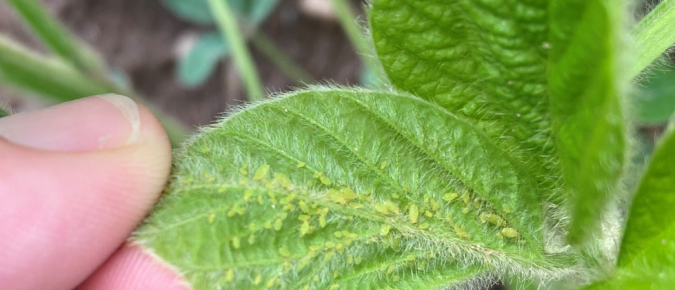
Managing Soybean Aphids in Wisconsin Soybean Fields

Managing Soybean Aphids in Wisconsin Soybean Fields

Soybean aphids (Aphis glycines) are an invasive pest that can significantly stunt plant growth and yield. Soybean aphids feed on the sap of plants and leave behind a sticky residue.

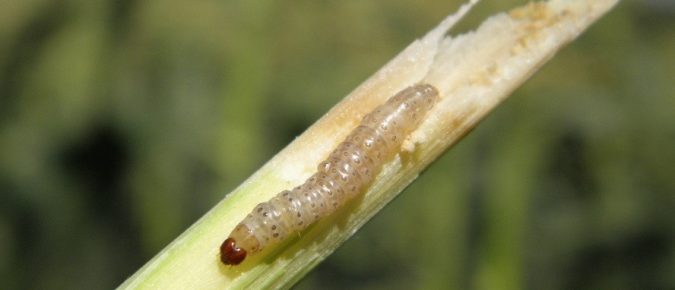
Managing European Corn Borer in Wisconsin Corn Fields

Managing European Corn Borer in Wisconsin Corn Fields

European corn borers (Ostrinia nubilalis) are destructive corn pests in Wisconsin. Larvae feed on corn leaves and in developing tassels, stalks, and ear tips. European corn borer damage reduces grain quality, increases grain loss, and leads to problems at harvest.

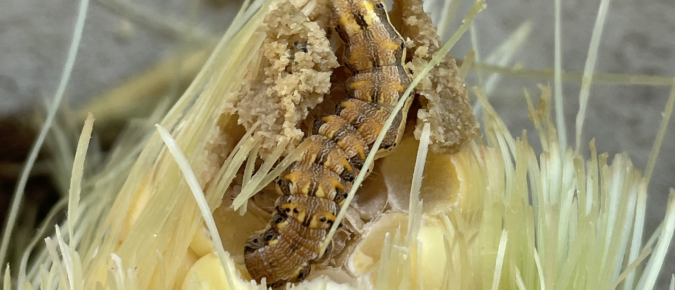
Managing Corn Earworm in Wisconsin Corn Fields

Managing Corn Earworm in Wisconsin Corn Fields

Corn earworm (Helicoverpa zea) larvae feed on a variety of crops, mainly impacting sweet corn and hybrid dent seed corn. Larvae feed on the tips of corn ears, damaging kernels and contaminating the ears with frass.

Managing Western Bean Cutworms in Wisconsin Corn Fields

Managing Western Bean Cutworms in Wisconsin Corn Fields

Western bean cutworm (Striacosta albicosta) is an economic pest in dry bean and corn production. Despite its name, western bean cutworm (WBCW) does not naturally feed on field soybeans. Larvae feed on corn ears, leading to yield loss and reduced grain quality.
Posts navigation

Posts pagination

Page 1 Page 2 ►

Division of Extension

Connecting people with the University of Wisconsin

  • Agriculture
  • Community Development
  • Health & Well-Being
  • Families & Finances
  • Natural Resources
  • Positive Youth Development
University of Wisconsin-Madison      |        Explore Extension: Agriculture Community Development Families & Finances Health Natural Resources Youth
Connect With Us
Support Extension
Extension Home

We teach, learn, lead and serve, connecting people with the University of Wisconsin, and engaging with them in transforming lives and communities.

Explore Extension »

County Offices

Connect with your County Extension Office »

Map of Wisconsin counties
Staff Directory

Find an Extension employee in our staff directory »

staff directory
Social Media

Get the latest news and updates on Extension's work around the state

facebook iconFacebook

twitter icon Follow on X


Facebook
Follow on X

Feedback, questions or accessibility issues: info@extension.wisc.edu | © 2026 The Board of Regents of the University of Wisconsin System
Privacy Policy | Non-Discrimination Statement & How to File a Complaint | Disability Accommodation Requests

The University of Wisconsin–Madison Division of Extension provides equal opportunities in employment and programming in compliance with state and federal law.