▶ Watch: Corn Silage Observations
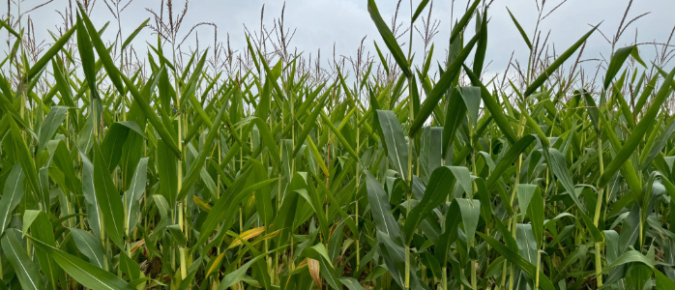
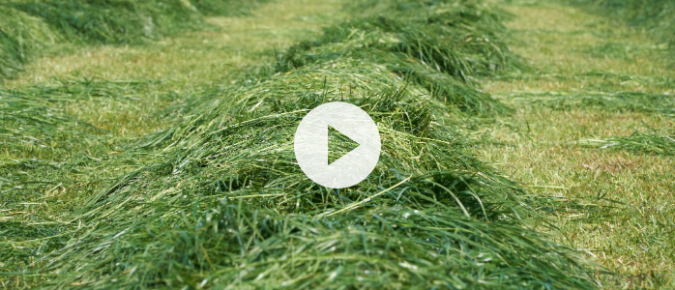
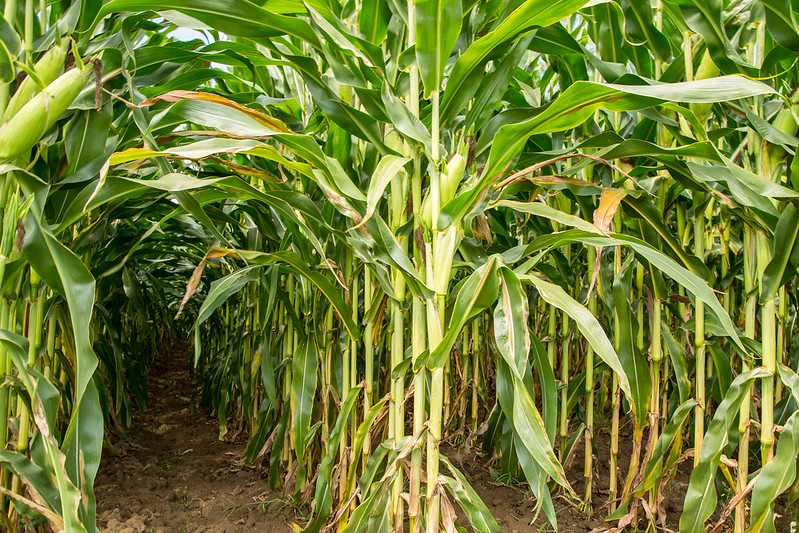
In the September 11, 2024 Badger Crop Connect webinar, Kevin Jarek discussed the challenges faced in corn silage and dry down this year.
Division of Extension

Extension specialists and educators provide timely resources and information to help Wisconsin crop producers and their agricultural consultants manage crops efficiently and profitably.
In the September 11, 2024 Badger Crop Connect webinar, Kevin Jarek discussed the challenges faced in corn silage and dry down this year.
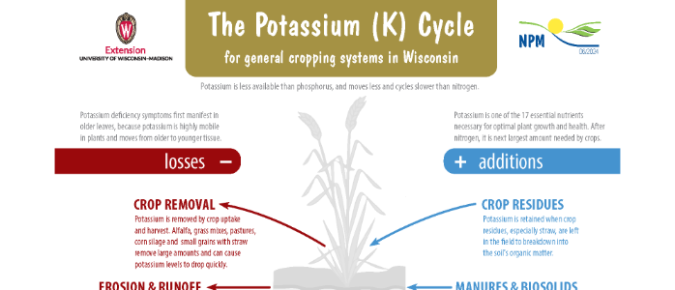
This comprehensive resource provides a visual overview of the potassium (K) cycle and breaks down the crucial role K plays in soils and crop growth to help you optimize your crop yield.
Many factors affect crop yield; only one of them is fertilizer. The six factors listed here have a strong relationship with consistently better-yielding areas of a farm field.
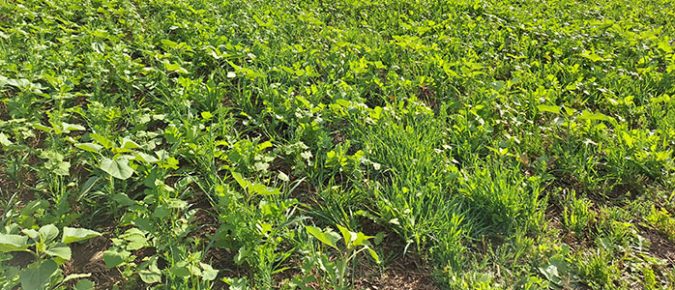
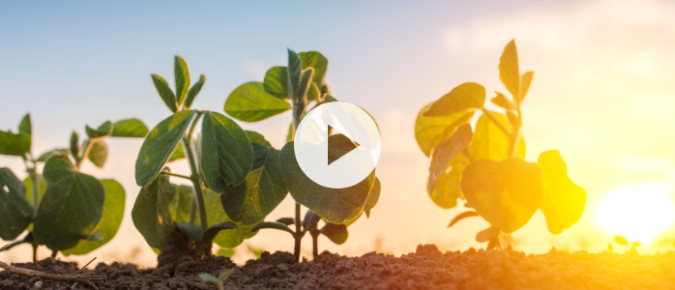
The July 24 Badger Crop Connect webinar featured Dr. Shawn Conley, Extension Soybean and Small Grains Agronomist and Professor in the Department of Plant and Agroecosystem Sciences, University of Wisconsin–Madison. Shawn discusses preliminary results from 2024 Wisconsin winter wheat performance trials including yield, test weight and disease presence data; cover crop challenges in 2024; and the status of soybean stands across Wisconsin.
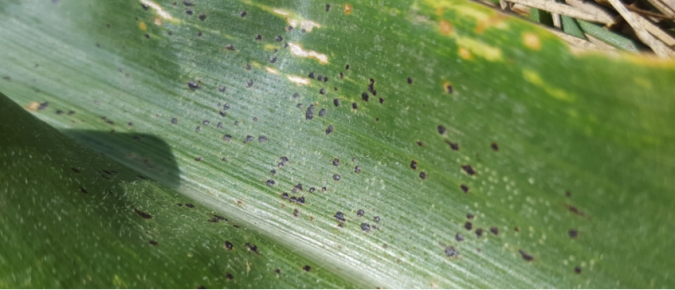
The July 24 Badger Crop Connect webinar featured Dr. Damon Smith, Extension field crops pathologist and Professor in the Department of Plant Pathology, University of Wisconsin–Madison. Damon gives an update on what diseases he’s seeing in Wisconsin farm fields in late July 2024. He mainly discusses white mold in soybean and tar spot in corn and management practices for each.
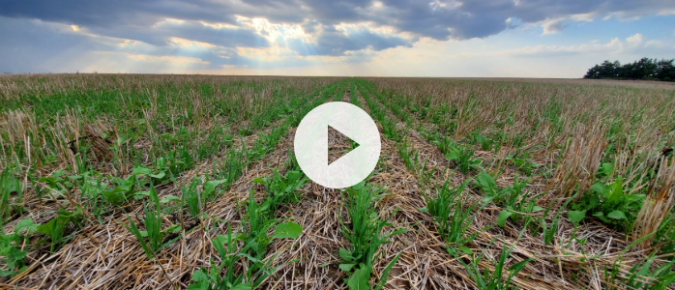
Harvesting small grains or processing crops in the summer months provides a great opportunity to plant a variety of cover crop species that can achieve several different benefits or goals such as soil erosion protection, nitrogen (N) supply to subsequent grain crops, and weed suppression.
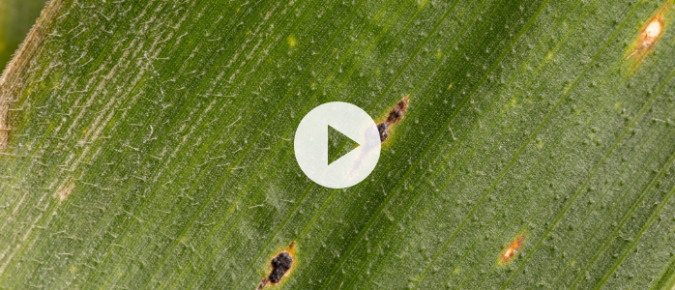
Damon Smith, UW–Madison Extension field crops pathologist, and Michael Geissinger, outreach specialist with UW-Madison Extension Nutrient & Pest Management in Northwest Wisconsin, talk about the conditions this year, what that means for tar spot development, and management considerations for controlling it if it shows up in your field.
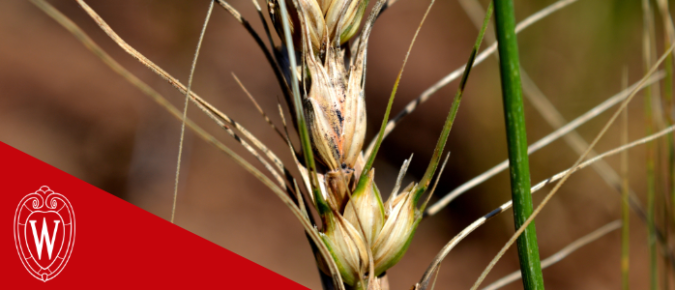
DON (deoxynivalenol or vomitoxin) is a mycotoxin produced by the fungus responsible for Fusarium Head Blight (FHB), a common and economically important disease in small grains. DON is a problem because it is toxic to humans and animals. Grain grown on-farm and fed to livestock should be managed properly to avoid negative effects.
The July 10 Badger Crop Connect webinar featured Jose Franco, a research agronomist with the U.S. Dairy Forage Research Center (USDA). Jose summarized current research efforts at the U.S. Dairy Forage Research Center on cover crops and continuous living cover. Ongoing research includes cover crop breeding efforts, work on alternatives to winter cereal rye following corn silage and some of the benefits of including flowering cover crops, and a whole systems approach to dairy forage systems evaluations.
The July 10 Badger Crop Connect webinar featured Dane Elmquist, a conservation cropping outreach specialist in the UW–Madison Division of Extension Agriculture Institute. Dane gave an overview of the Wisconsin Cover Crop Citizen Science network and highlighted project results. He also showcased the project’s interactive data dashboard and provided information on how to participate in the project for the 2024-2025 season.
The June 26 Badger Crop Connect webinar featured Dr. Brenda Boetel, Professor and Department Chair of Agricultural Economics, and Extension Agricultural Marketing Specialist at UW–River Falls. The grain markets are off of their February 2024 lows; however, prices still remain lower than what farmers have experienced the previous few years.
Dr. Mitchell opens with a quick update on prevented planning options with crop insurance and where we are with crop progress and crop conditions based on USDA NASS data. He then examines various indicators about the current state of farm finances in this year of projected tight margins for corn and soybeans, such as land values, loan repayment rates, interest rates and inflation. Discussion focuses on financial steps farmers can take now as they prepare for fall. Dr. Mitchell closes with some updates on where Congress is with the Farm Bill and some of the changes being proposed for commodity support and crop insurance.