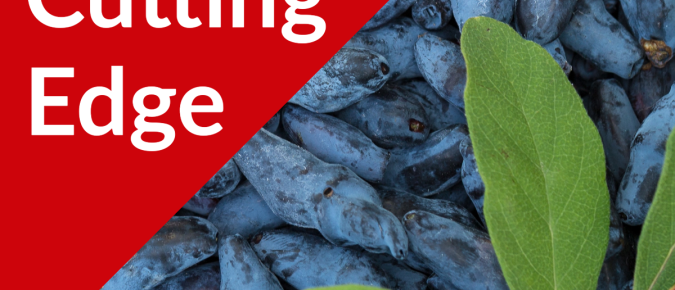
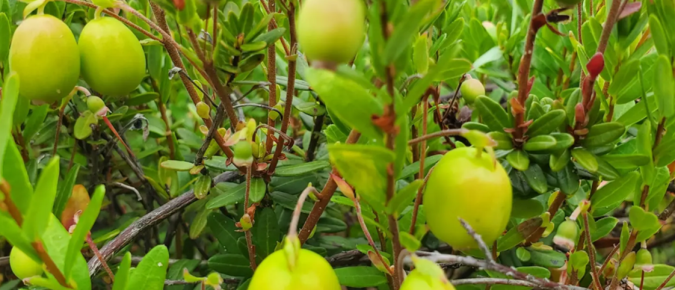
A conversation with two experienced honeyberry growers in the Upper Midwest: George Terwey of Haskap Minnesota (Stillwater, MN) and Phil Stowe of Walking Plants Orchard (Lake Osakis, MN). Register here for the Upper Midwest Honeyberry Academy on July 1, 2025!eventreg.wisc.edu/en/5f4YRxR7/g/ex…Qr17RAz/overview Resources Haskap Minnesota Walking Plants Orchard
We’ll be focusing our discussions on phenology/fruit development and integrated pest management. This week we will hear about Ben’s plans for petal fall.
Routine evaluation of fruit crop nutrient status and soil composition are essential to developing sustainable nutrient management practices. This article reviews soil and tissue sampling methodology.
Welcome back to another season of Notes from the Field! This year’s Notes from the Field will follow Ben Kraus with Gwenyn Hill Farm (Waukesha). As we kick off bloom in Wisconsin, hear from Ben on how he’s tackling early season management decisions.
Welcome back to another season of Notes from the Field! This year’s Notes from the Field will follow Ben Kraus with Gwenyn Hill Farm (Waukesha). The goal of this newsletter is to hear from the grower’s perspective and foster connection between fruit growers.
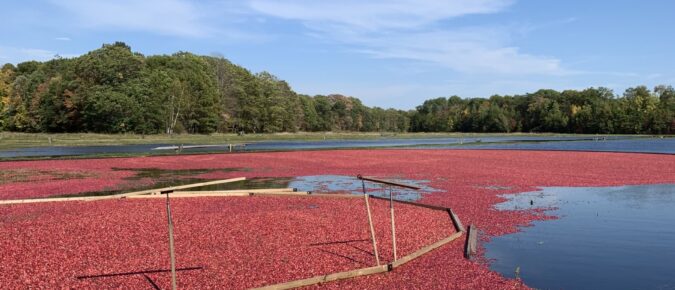
Are there differences in soil health indicators between higher and lower yielding cranberry beds in Wisconsin? Table of Contents What we did Sampled surface soils (top 6”) from one higher and one lower yielding cranberry bed on four farms in Jackson, Monroe, Sawyer, and Wood Counties, Wisconsin in summer of 2022. Higher and lower yielding […]
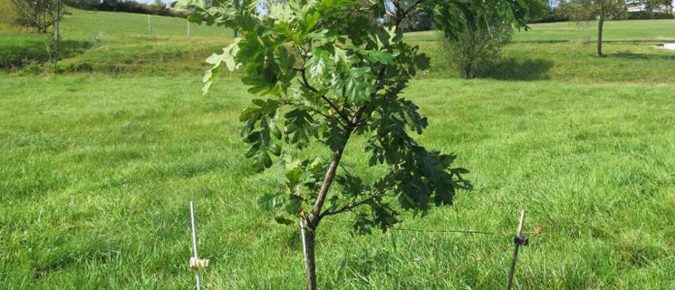
Silvopasture, the intentional, managed integration of trees with grazing systems, can provide a variety of benefits, including shade and emergency forage for livestock, carbon storage, and potential income from tree products. Establishing silvopasture by planting trees allows the farmer to control tree species and placement. It also offers climate benefits and may be eligible for technical and financial assistance from the USDA Natural Resources Conservation Service in Wisconsin.
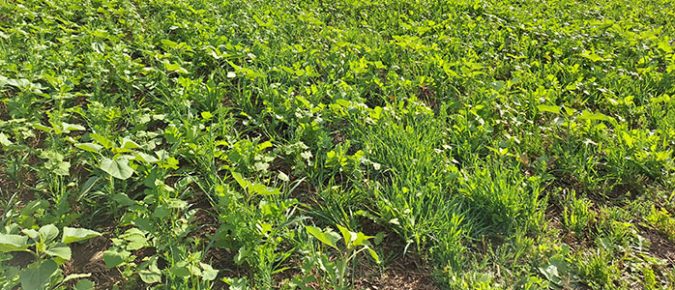
Harvesting small grains or processing crops in the summer months provides a great opportunity to plant a variety of cover crop species that can achieve several different benefits or goals such as soil erosion protection, nitrogen (N) supply to subsequent grain crops, and weed suppression.
A conversation with Anil and Smita, co-founders of the Very Mulberry brand and Habitera Farms, an 80-acre commercial mulberry farm in the Bay Area of California. Habitera Farms is the only large-scale commercial mulberry farm in the United States today. It opened for business this spring and operates primarily as a U-Pick farm. Resources Very […]
A conversation with Eliza Greenman, fruit explorer and Germplasm Specialist at the Savanna Institute, and Scott Brainard, Tree Crop Breeder at the Savanna Institute and post-doc at UW-Madison, about the history of mulberries and current research to develop improved varieties for agroforestry systems. Resources Savanna Institute Hog Tree Farm
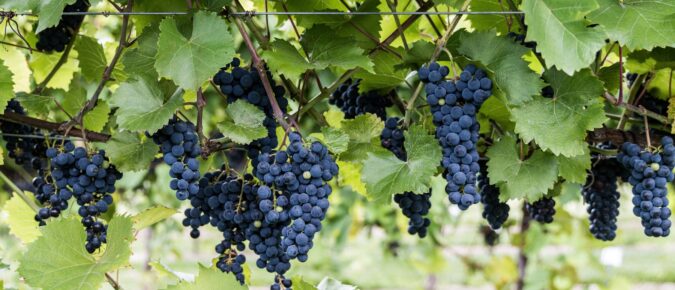
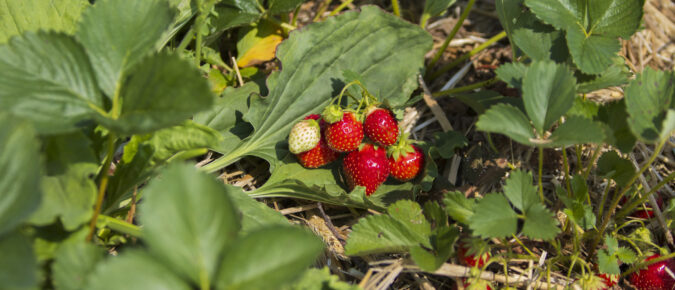
Amaya Atucha, Associate Professor and Fruit Crop Specialist at UW-Madison, shares the latest research on day-neutral strawberries and table grapes at UW. This episode is the audio recording of a presentation Amaya gave during a winter webinar series. To watch the video recording, visit https://www.youtube.com/watch?v=D5aIcZaR9qw. Resources For more information on growing fruit in Wisconsin, visit […]