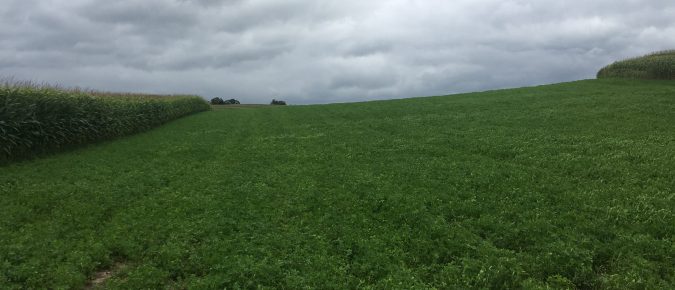
Weekly Scouting – 20 sweeps at 5 locations in each alfalfa field. Because leafhopper population densities vary from year to year and from field to field, the only way to accurately determine damage potential is by monitoring fields on a weekly schedule.
Beginning in 2007, Wisconsin has a new lime recommendation program. Will this increase or decrease the lime rates that are being recommended? Neither. In some cases the recommendations may be a bit lower and in some cases higher, but the new system will more accurately assess the level of acidity in the soil and lead […]
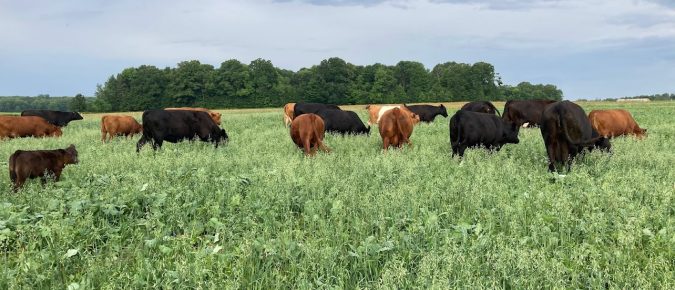
The grazing movement is, both literally and figuratively, a grass-roots movement. Many livestock producers in the northern USA have recently moved from predominantly confinement feeding systems to grazing systems. Most of them use some form of management-intensive rotational grazing in which livestock are periodically rotated from one paddock to another, allowing the plants in each […]
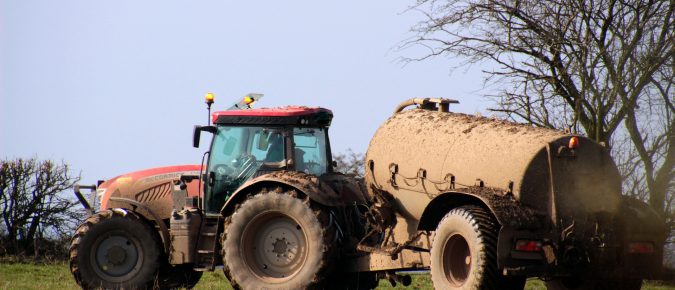
Manure has traditionally been targeted for corn acres during the course of a crop rotation. The reason has simply been that corn uses and needs all of the nutrients supplied by manure (especially nitrogen).
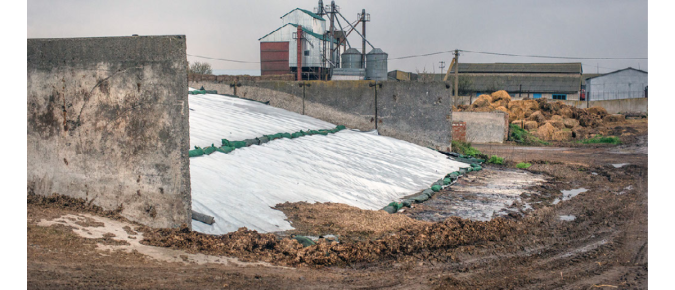
Ensiling is an important means to preserve forage quality. Although silage fermentation occurs naturally under anaerobic conditions due to the native bacteria on plants, the speed and efficiency of the fermentation (pH drop) is variable, depending on the numbers and types of lactic acid bacteria on the crop.
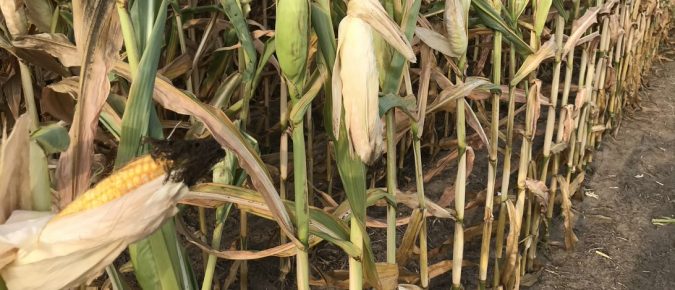
An improved understanding of the effects of defoliation on forage yield and quality would improve the ability of agronomists, farmers, and crop insurance adjusters to assess the economic impact of hail damage to corn harvested for forage.
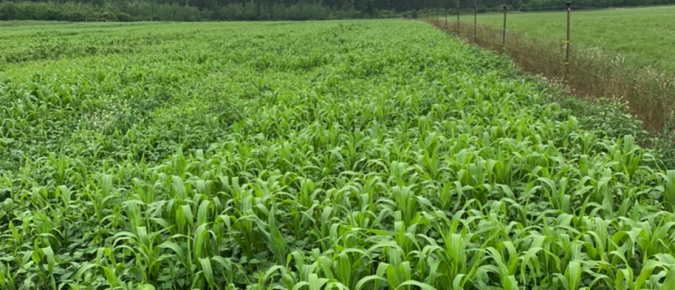
The optimum crop to plant for emergency forage should be determined by 1) when and how it will be utilized, 2) the forage quality needed, and 3) seed availability and cost. In 2003 and 2004, emergency forage trials were conducted at 5 locations across Wisconsin, Michigan and Minnesota. Trials were seeded at each of three […]
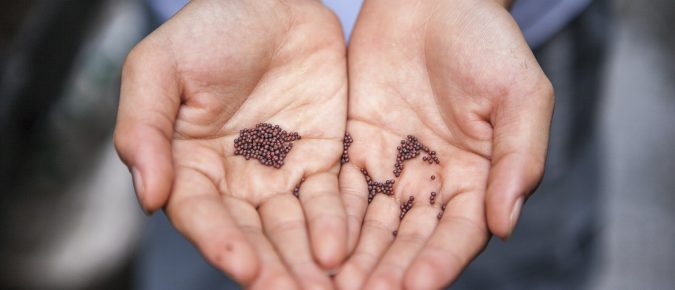
We have paid little attention to Pure Live Seed (PLS) in the Midwest because we have generally had high quality seed (greater than 90% germ and 98% purity). But the short forage seed supply has caused some low quality seed to come on the market.
Forage Brassicas, such as rape, kale, turnips, and swedes, are high yielding, high quality, fast growing crops. The above ground parts (stems and leaves) of rape and kale and all parts (stems, leaves, and roots) of turnips and swedes are utilized by livestock. Brassicas are high quality forage if harvested before heading. Above ground parts […]
Soybeans can be harvested as a hay or silage crop. This option is often considered either when forage is short or when the soybean crop is damaged for harvest as a grain crop (for example. following hail damage or an early frost). Soybean forage, like most legumes, tends to be high in protein and low […]
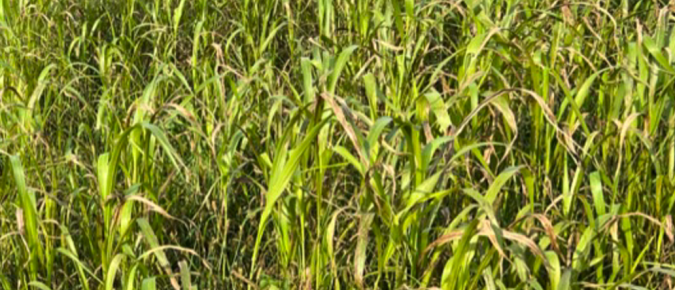
What are the different types of sorghum and sudangrasses? Sorghum and sudangrasses are warm-weather crops and will perform best in years when the growing season is characterized by higher-than-average temperatures. Cool conditions will severely limit productivity. Sorghums are diverse but generally fall into the following categories: Grain Sorghum – also called milo, used for grain production […]
Many hay growers simply sell hay. They are selling a commodity to low bidders rather than developing a market for a product. Bringing factors other than price into the market such as forage quality, consideration of customer needs, prompt delivery, steady supply, and appreciation of business can increase value and salability of product.