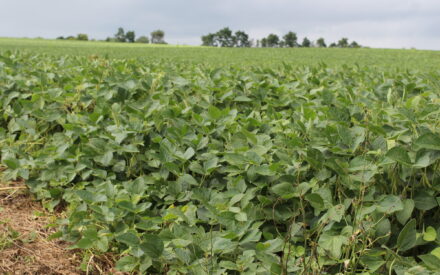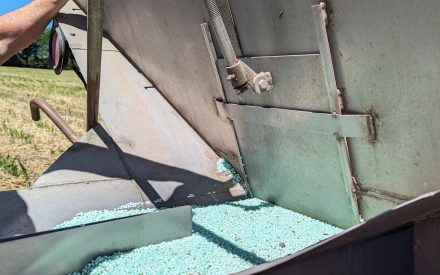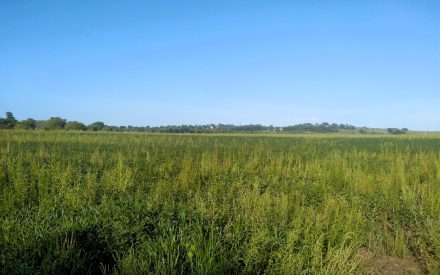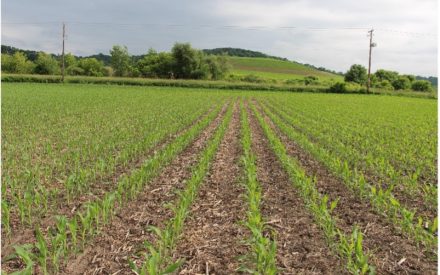
Winter wheat is tough but not invincible. This winter, Wisconsin experienced prolonged cold temperatures with little to no snow cover, creating conditions conducive for wheat winterkill. Without insulating snow, wheat plants are exposed to freezing conditions, damaging their crowns and roots. Assessing stands in the spring will help producers determine if their crop has survived and is strong enough for a good yield. This article covers steps to assess early-season stand loss from winterkill.
When to Assess Winter Wheat for Winterkill
The best time to assess winter wheat stands is after the snow melts, the ground thaws, and the fields begin to green up—usually from late March to early April in Wisconsin. Stand evaluations help producers decide whether to keep the stand, replant with another crop, or implement management strategies like nitrogen applications.
How to Assess Winter Wheat for Winterkill
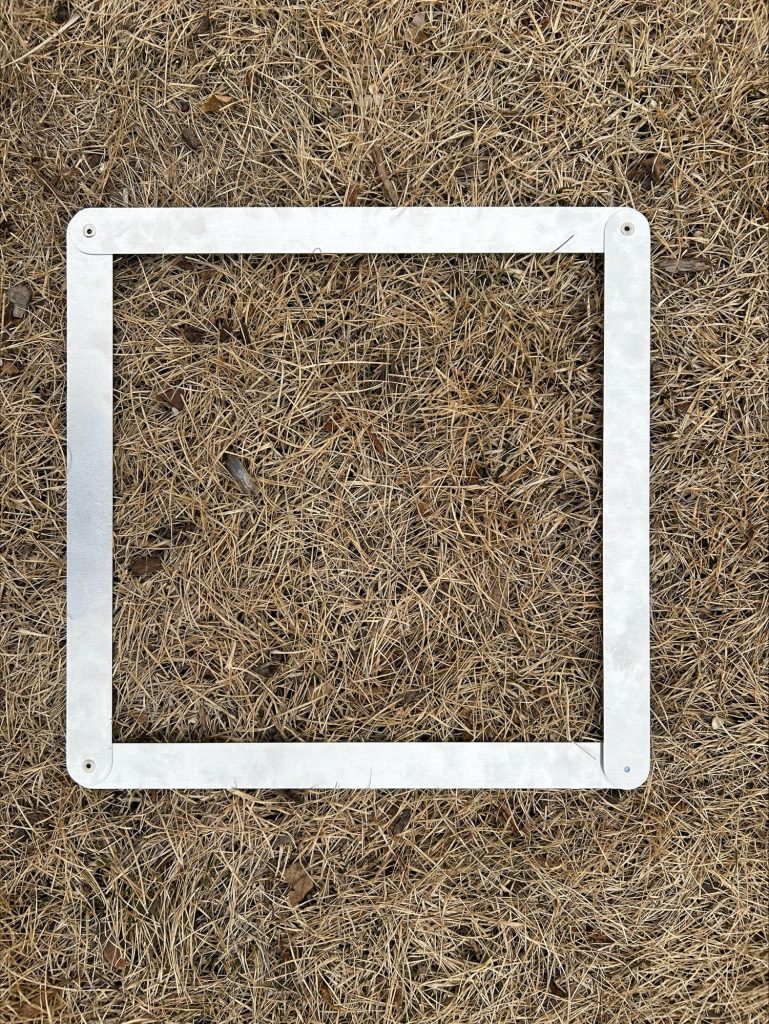
Start with a visual inspection of the field. Look for areas where the wheat is green and growing, as well as spots where plants look dead or missing. Remember, brown leaves don’t always mean winterkill, and green leaves don’t always mean the crop has survived (Photo 1). The best way to check the health of individual plants is to dig them up and look for new white roots near the crown. New roots should be white, without any dark or soft spots (Photo 2). When evaluating a stand, count the number of plants per square foot or plants per foot of row. Using a square foot quadrat could be helpful (Photo 3). Producers should target 12-15 live plants per square foot or 7-9 plants per foot of row to keep the crop (Table 1). Make sure to distinguish between whole plants and tillers when counting (see the Winter Wheat Development and Growth Staging Guide). Count plants at several random spots in the field to get an accurate representation.
Photos 1 and 2. Visual Winterkill Inspection
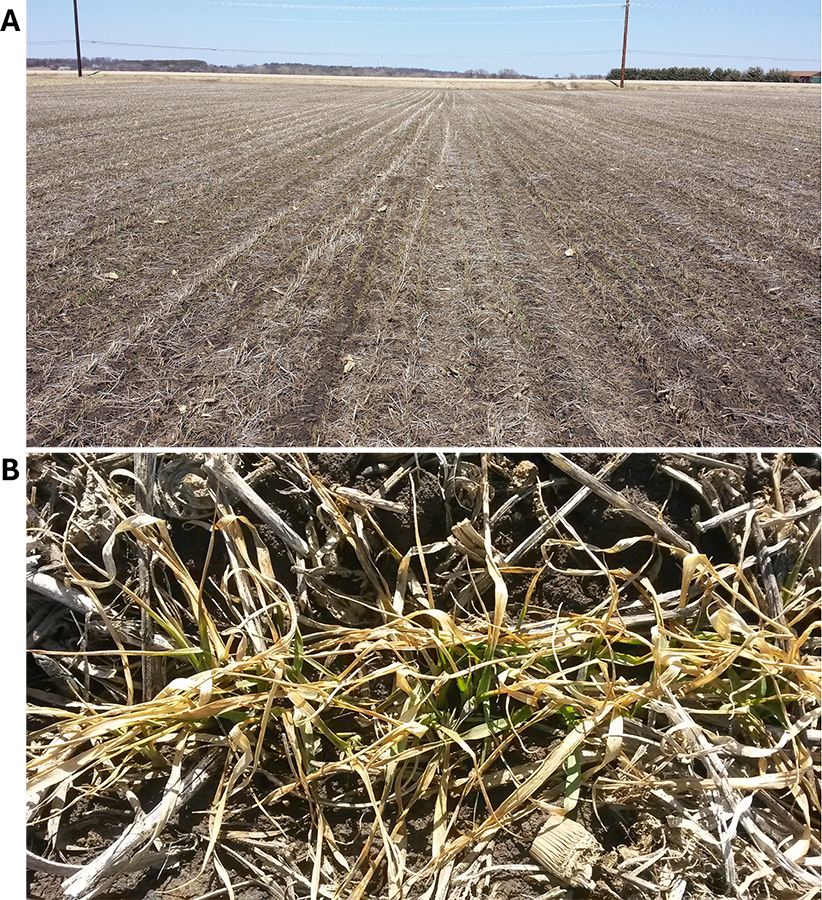
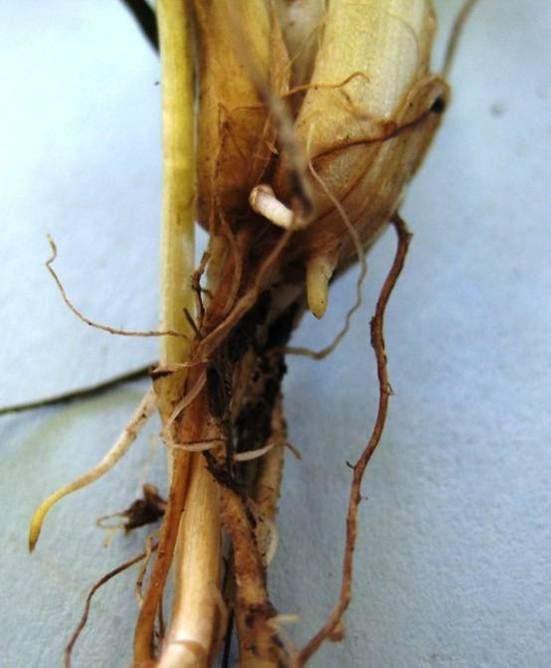
Table 1. Wisconsin Winter Wheat – Spring Plant Stand Recommendations
| Row Width (inches) | ||||
|
Plants per acre |
Plants per sq. ft. | 6 | 7 | 7.5 |
| Plants per foot of row | ||||
| 0.3 | 7 | 3 | 4 | 4 |
| 0.4 | 9 | 5 | 5 | 6 |
| 0.5 | 11 | 6 | 7 | 7 |
| Minimum spring stands | ||||
| 0.6 | 14 | 7 | 8 | 9 |
| 0.7 | 16 | 8 | 9 | 10 |
| 0.8 | 18 | 9 | 11 | 11 |
| 0.9 | 21 | 10 | 12 | 13 |
| Good spring stands | ||||
| 1.0 | 23 | 11 | 13 | 14 |
| 1.1 | 25 | 13 | 15 | 16 |
| 1.2 | 28 | 14 | 16 | 17 |
| 1.3 | 30 | 15 | 17 | 19 |
| Excellent spring stands |
||||
| 1.4 | 32 | 16 | 19 | 20 |
| 1.5 | 34 | 17 | 20 | 22 |
| 1.6 | 37 | 18 | 21 | 23 |
| 1.7 | 39 | 20 | 23 | 24 |
| 1.8 | 41 | 21 | 24 | 26 |
| 1.9 | 44 | 22 | 25 | 27 |
| 2.0 | 46 | 23 | 27 | 29 |
| 2.1 | 48 | 24 | 28 | 30 |
| 2.2 | 51 | 25 | 29 | 32 |
| 2.3 | 53 | 26 | 31 | 33 |
Conley and Gaska 2009
Photo 3. Square Foot Quadrat
What to Do After a Stand Assessment for Winterkill
Based on the stand assessment, producers can make informed decisions about managing their winter wheat. If the stand is healthy, focus on proper fertilization and weed control to maximize yield. Current research from Wisconsin recommends applying nitrogen for winter wheat in the spring at green-up. For recommendations and rates, please consult “Nutrient Application Guidelines for Field, Vegetable, and Fruit Crops in Wisconsin (A2809).” If the winter wheat stand is not viable, producers could consider replanting the field with corn or soybeans to optimize the growing season or alternatively chop the existing wheat for forage to support livestock. Timely action based on accurate stand assessment can make a significant difference in overall production. Remember, a healthy stand in the spring sets the foundation for a bountiful crop in the summer. So, get out there, assess your fields, and make the best decisions for your farm’s success.
More Resources
- Growing Small Grains in WI
- Nutrient Application Guidelines for Field, Vegetable, and Fruit Crops in Wisconsin (A2809)
- Winter Wheat Development and Growth Staging Guide
Updated: March 7, 2025
Reviewed by: Shawn Conley