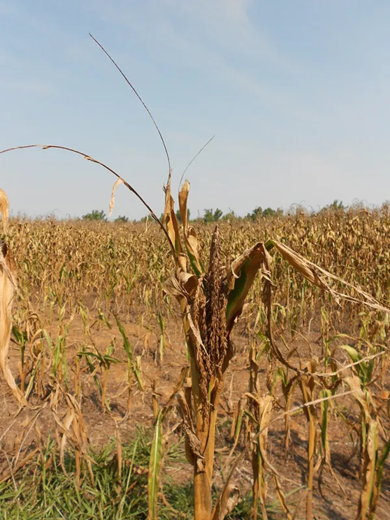
Most midwestern farms do not have a drought risk management plan. The topic of weather-resilient or extreme-weather crop production practices is in its infancy throughout the Midwest. Why? In Wisconsin it rains weekly, if not more in the summer, with an average annual rainfall of 34”.
A flash drought occurred in 2023 as the result of hotter than normal temperatures and less than normal rainfall. By June and July, all 72 Wisconsin counties fell into a drought category and had drought impacts.
With a dry fall in 2022 and drought sticking around this long in 2023, the effects and water shortfalls will have prolonged effects into 2024. This extraordinary deficit takes time to reverse. What we need to happen is a winter with average or above average snowfall that melts slowly next spring, combined with plentiful spring rains. But experts say there is an equal chance of 2024 being normal precipitation and the same chance of being dry. Learn more about the Wisconsin weather outlook.
What can you do on the farm to manage drought or flooding caused by extreme weather?
Extreme Weather Risk Management Tactics
Agriculture is facing new challenges related to increased flooding, hotter heat waves, drought, increased wind, and more intense pest and weed pressures. Weather preparedness is business wise. It starts with planning for unexpected weather events.
Flooding
The trend for more intense rainfall events (more than 2” in 48hours). Flooding during spring can delay planting, damage roots, and reduce yield, and also increases the potential for soil compaction and soil and nutrient loss from erosion.

Risk Management Tactics: Flooding
- Utilize practices to increase soil organic matter: reduced or no-till, cover crops, manure/compost application.
- Identify low-lying fields and shift to more flood tolerant crops or remove certain areas from production.
- Adjust planting dates to avoid wet conditions.
- Provide for year-round living roots in field.
- Invest in tile drainage.
- Be sure to maintain and establish grassed waterways, riparian buffers, filter strips, retention ponds and other types of conservation buffers on the farm. These conservation practices properly installed and maintained on the farm help to reduce erosion and runoff during excessive precipitation and snow melt when the soil is frozen.
- Check or install sump pumps in buildings.
- Repair or maintain rain gutters.
Drought
Wisconsin and the Midwestern states do not typically deal with a lack of rainfall but the trend for short term drought is increasing. Drought creates yield and quality issues for crops.
Risk Management Tactics: Drought
- Increase soil organic matter and soil health: the ability of soil to hold and store water has never been more important for farmers as weather becomes more unpredictable and severe. The ability of soil to capture and retain moisture over a growing season can function like a bank account against which crops can draw between rainfall events or when a drought occurs. In a field soil textural characteristics are fixed, but a soil’s water-holding capacity can be enhanced by management practices.
- If conditions are dry in the spring, terminate the cover crops early.
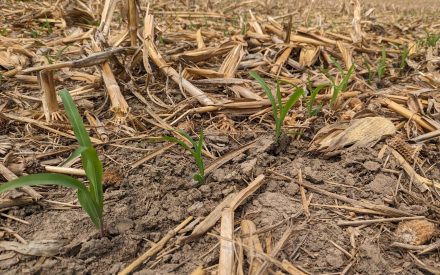
- Consider adjusting cash crop seed depth at planting based on soil moisture conditions. If dry, and no rain in extended forecast you may need to plant deeper.
- Leaving more crop residue in your field to improve the water-holding capacity of your soil and reduce evaporation and erosion. The crop residue also works as a natural snow fence to trap snow and have that moisture eventually melt and stay in the field. During heavy rainfall crop residue helps to reduce raindrop impact on the soil reducing soil loss to surface runoff.
- Invest in permanent or temporary irrigation on high dollar crops. Research all types of irrigation systems that may be appropriate for your farm and the crops you grow and pick the one that will conserve the most water. Learn more here: fyi.extension.wisc.edu/cropirrigation/
- Use drought tolerant crop varieties for your area.
- Utilize precision planting to alter plant population density to reduce crop demands for water or nutrients on certain soil types.
Extreme Heat
Heat stress in Wisconsin or the Midwest is when temperatures exceed 90 F◦. Our area will continue to experience hotter heat waves and warmer nighttime temperatures. Which prevents crops and livestock from having a recovery period during a heat wave each night. There will be more fire danger threats. Learn how to protect your buildings and land from wildfires from the Wisconsin DNR.
Hot temperatures during the reproductive phases for crops like pollenating corn reduce yield and the quality of fruit or grain. Warmer winters with less snow and ice cover on lakes deplete soil moisture and water levels and “trick” plants to come out of dormancy early while late and early frost/freeze events will still occur.
Risk Management Tactics: Heat
- Increase soil cover (mulch, cover crop) to conserve soil moisture and reduce soil temperatures. For more info on temperature difference based on management practices visit www.climatehubs.usda.gov/hubs/northeast/topic/drought-resistant-practices
- Shift planting dates to avoid heat stress during key plant growth stages.
- Capitalize on a longer growing season with longer season perennial crops.
- Use irrigation and soil moisture probe technology to water wisely.
Pest Issues
Warmer weather and stressed plants and animals open the opportunities for agriculture pests: weeds, insects, diseases. The idea that a cold winter with prevent over wintering will be minimized, spring will have higher pest populations. Areas that once never saw a pest will most likely see it for the first time and be unsure of how to manage the new pest. The longer growing season will mean increased generations of pest cycles per season to control.
Risk Management Tactics for Pests
- Increased integrated pest management techniques.
- Focus on scouting, regional monitoring, and training for planned response for chemical resistant or detrimental diseases in new areas. Check out the DATCP Home Pest Survey (wi.gov)
Key Takeaways to Prepare Farms for Extreme Weather
- Wisconsin has had two consecutive dry fall seasons, plus a 2023 flash drought. 2024 has equal chance of having average precipitation or being dry again. It’s too early to tell.
- Farms can prepare for extreme weather flooding, heat, and pest management strategies.
- Extreme weather effects vary by location, soil type, and crop.
Additional Resources
Written by Chris Clark, WI-CCA
Northeast Region Crops & Soils Outreach Specialist
Peer Review – Jerry Clark and Josh Kamps
Faculty Review – Steve Vavrus