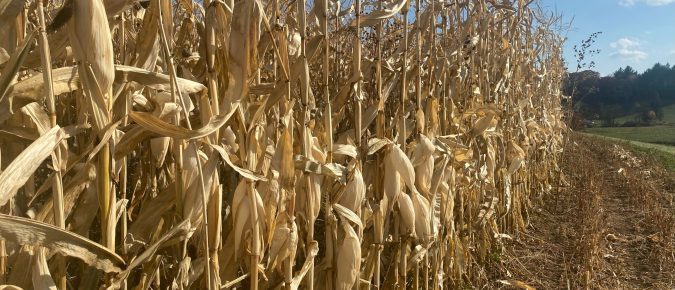
Increasing starch or neutral detergent fiber (NDF) digestibility in whole-plant corn silage (WPCS) may increase lactation performance by dairy cows or reduce purchased feed costs for dairy farmers.
Introduction From 2006 to 2010, Wisconsin averaged 282,000 acres of harvested wheat (USDA-NASS, 2007-2011). After harvest some of these fields are planted with late summer alfalfa and a few more receive manure, but many sit fallow for the rest of the growing season. Fields that are tilled late summer to control weeds are left vulnerable […]
Late-summer/fall establishment of grass is often desired in the Midwest. Most farmers do not realize how much fall seeding date affects the yield of the grasses the next year. We seeded six forage grasses at several late summer dates at three sites in Wisconsin (River Falls, Arlington, and Lancaster) over three years. Seeding dates were […]
Hay producers working in humid environments are well-acquainted with the consequences of baling moist hays, which include heating, molding, losses of dry matter (DM) and nutritive value, and the possibility of spontaneous combustion.
When significant winter alfalfa stand damage occurs consider the following. The situations vary from low spots only in fields to significant portions of the fields.
Drought can significantly reduce alfalfa yield. Timing of drought can be critical. First cutting may be reduced in the case of a dry March. Alfalfa root systems die back to some extent over winter. The root system requires good soil moisture in the early spring to regrow. I
The uniqueness of alfalfa spring growth has been a core factor for many discussions, research trials, media articles, debates, and flat-out arguments among forage brethren. Generally, the conversation centers around when to cut and the best method to determine forage quality of the maturing alfalfa plant. Spring 2013 may offer additional unique aspects of making […]
One of the most common problems faced by hay or silage producers is how to manage production schedules around unfavorable weather. Inevitably, some wilting forage crops are damaged by rainfall each year, and producers often inquire about the effects of rain damage, and what impact this may have on forage quality, silage fermentation, and animal […]
Research studies in recent years have shown that sulfur (S) may be deficient in some parts of Wisconsin. Sulfur deficiencies are most likely to occur when high S-demanding crops such as alfalfa, canola, or forage brassicas are grown on sandy soils or on other soils that are low in organic matter, far from urbanized areas, or have not received manure within the last 2 years.
The single factor most affecting profitability of alfalfa is yield. This can be seen in the graph at the right which depicts economic data from the Green-Gold program (a third party verified measured yield and quality program) the Wisconsin Forage council used to run.
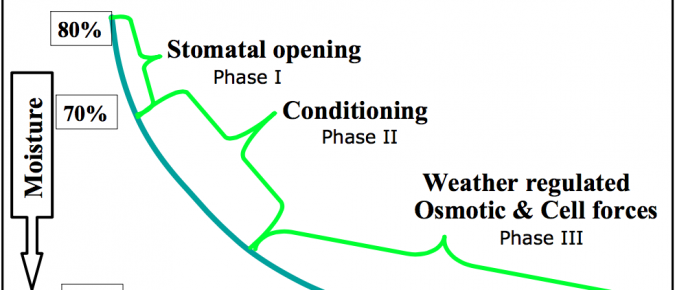
If we understand and use the biology and physics of forage drying properly, not only does the hay dry faster and have less chance of being rained on, but the total digestible nutrients (TDN) of the harvested forage are higher
Pricing corn silage is a difficult decision because it often comes at a time when emotions between sellers and buyers are high. The seller has the opportunity to sell a corn field for either silage or grain and incorporate the fertilizer value of the stover back into the field. The buyer has the opportunity to buy a corn field for silage or buy grain from the market and purchase low quality straw (wheat or corn stover aftermath) to formulate rations.