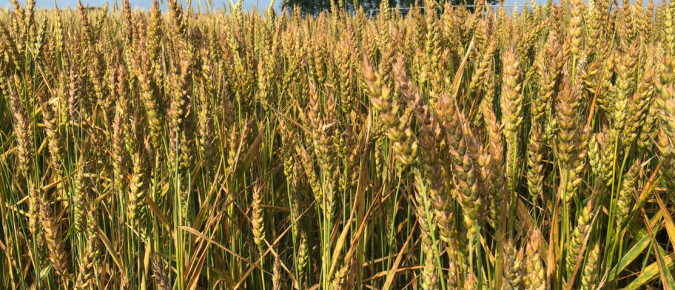
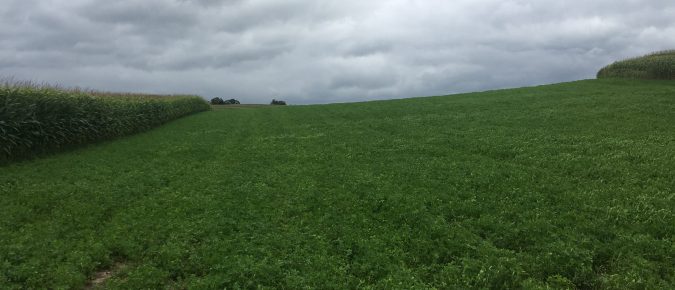
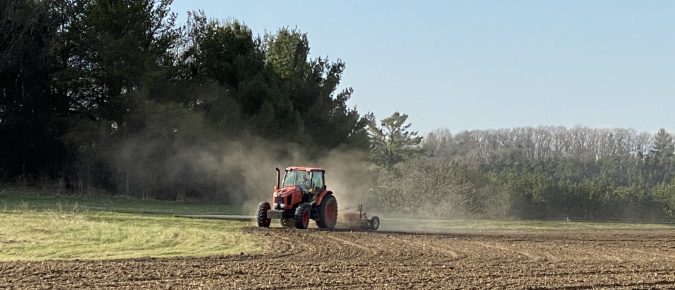
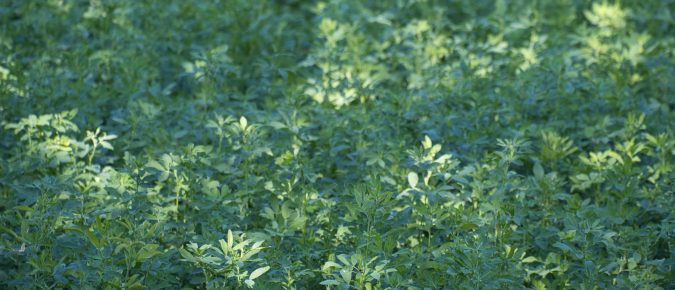
Wisconsin’s short growing season doesn’t provide a lot of time for growing cover crops. However, the early harvest of winter wheat allows an excellent window for cover crops to grow, protect the soil and provide other benefits. Cover crop recommendations typically change depending on where you are in Wisconsin but because of the early harvest […]
Step 1: Choose a representative 2-square-foot area in the field. Step 2: Determine the most mature stem in the 2-square-foot sampling area using the criteria shown in the table to the right. Step 3: Measure the length of the tallest stem in the 2-square-foot area. Measure if from the soil surface (next to plant crown) to the […]
Stress in the seeding year reduces future yields of alfalfa. This occurs because the seeding year determines the stand plant density as well as individual plant size and vigor. The following paragraphs will show that autotoxicity, potato leaf hopper, cover crop, and, possibly, drought stresses in the seeding year will reduce alfalfa yield in future years, even when the stress is gone.
Winter Injury occurs someplace in Wisconsin every year. Being able to diagnose and manage winter damaged stands may help prolong stand life and increase production. Below is a brief discussion on diagnosing and managing winter damaged alfalfa.
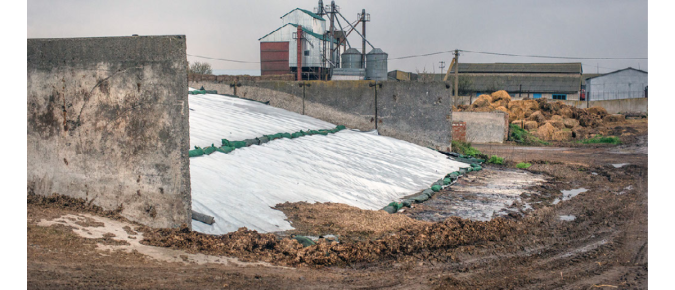
Properly constructed, a drive-over silage pile can provide efficient and economical silage storage. Proper design, filling, covering and feed-out is critical for optimizing silage dry matter recovery from a drive-over pile.
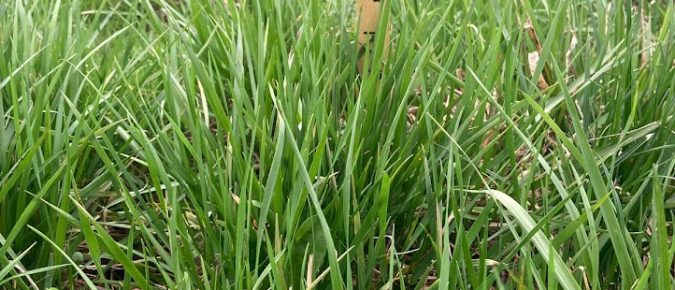
Increased awareness of ryegrass as a potential forage has occurred in the upper Midwest. Ryegrasses are excellent, high quality forage, establishing rapidly and producing good yield in the seeding year if cool (50 to 75°F) exist and adequate moist is available. Ryegrasses have low tolerance for water stress. Several ryegrass types exist and species within […]
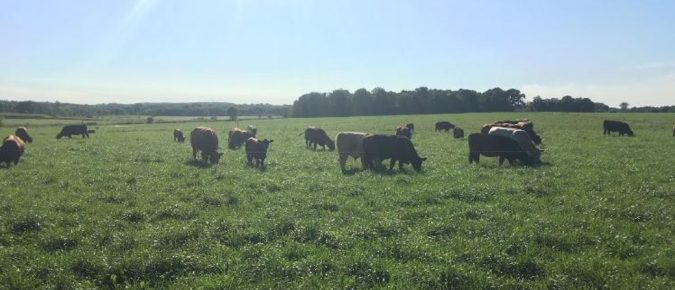
Frost seeding legumes and grasses is common means to improve forage yield or change the species composition of a pasture. Frost seeding offers several potential advantages: the ability to establish forage in an undisturbed sod, a reduced need for labor and energy compared to conventional seeding methods, the ability to establish forages with minimum equipment investment, a shortened “non-grazing” period, and a means to maintain stands at productive levels with both grasses and legumes.
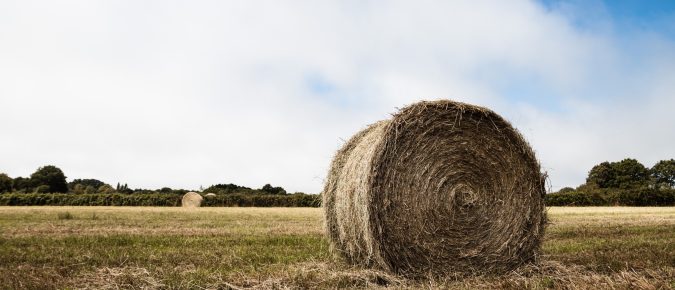
When harvesting baled hay, it’s not always easy to control weather-related losses, but storage loses should be more controllable. After all, a lot of time, energy and expense have gone into producing a high quality and high value baled product.
It’s early May, you’re looking at a rather marginal alfalfa stand, the haylage silo is nearly empty, and you generally use some corn silage in the dairy ration. Here are the options: What are the advantages and disadvantages of each option? With Option 1, you give-up all alfalfa production on the field for the current year […]
“Update on starch utilization by dairy cows” was presented by Randy Shaver, University of Wisconsin. Two-to fourfold increases in corn prices in recent years over historical trends have prompted many questions about the utilization of starch by dairy cows.
Quality of corn silage is determined by energy content and intake potential as well as content of protein and minerals. Methods used to evaluate corn silage quality include chemical methods such as fiber analysis, biological methods such as fermentation with ruminal microbes, and instrumental methods such as near-infrared reflectance spectroscopy (NIRS) which predicts nutrients rather than measuring them directly.
There continues to be a lot of interest in corn silage harvested with a self-propelled forage harvester (SPFH) equipped with an aftermarket processor having cross-grooved processing rolls set for 2- to 3-mm roll gap and greater roll speed differential than has typically been used (32% versus 21%). Also, the developer of this processor recommends that […]