Chris Bandura shares early results from a statewide project evaluating nutrient uptake and removal in alfalfa fields across Wisconsin, with a focus on improving fertilizer recommendations and potassium management.
Every year, across Wisconsin and the Midwest, thousands of plant tissue samples are pulled from corn and soybean fields. They are bagged, labeled and shipped to the lab, and then a report comes back with results. And too often, that is where the story ends. Plant tissue testing is not just about measuring nutrients. It is about making decisions.
Explore 2025 Nitrogen Optimization Pilot Program activities, projects, and program details.
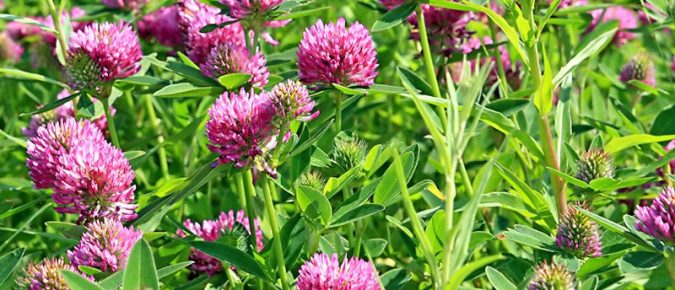
Chris Bandura explores Wisconsin research on berseem clover and other legume cover crops, how nitrogen credits are calculated, and what farmers should consider when using cover crops to support crop nutrition and improve nitrogen use efficiency.
Dr. Matt Ruark discusses what’s changing in Wisconsin nutrient management guidelines for corn and soybeans.
Dr. Jingyi Huang explores emerging sensor technologies that measure soil nitrate, moisture, and temperature to help farmers better understand nitrogen availability, nutrient losses, and crop needs throughout the growing season.
Dr. Natasha Rayne shares UW–Madison research exploring manure nitrogen availability, soil nitrate testing, crop sensing technologies, and environmental factors that influence in‑season nitrogen decisions.
Manure is valuable but applying it accurately is tricky because it does not have a guaranteed analysis like commercial fertilizers. Sampling and testing will maximize the economic value of your manure. But, when is the best time to sample manure?
This video covers simple in‑field observations to assess soil structure, compaction, water movement, and soil life, along with practical management practices such as reduced tillage, cover crops, mulches, and soil cover to improve soil function over time.
In April 2026, commercial nitrogen fertilizer prices increased approximately 30% since fall 2025. Fortunately, there are nutrient management choices farmers can make to minimize financial impacts of this sudden price increase.
Seeding rates, seeding depths, and timing of planting are among the topics discussed in this illustrated, easy-to-read guide that introduces the benefits of cover crops.
Article Contents Introduction Agronomic Implications of Stratification Research About Stratification Key Takeaways References Introduction Stratification, or the unequal distribution of nutrients within the soil profile, has been well documented across Wisconsin, with the most concentrated nutrients existing within the upper 2” of soil in all fields. Having reduced or eliminated tillage on more acreage across […]