▶ Wisconsin Soil Test Results Summary
Andrew Stammer reviews soil test data collected from DATCP-certified Wisconsin soil testing laboratories between 2020 and 2024.
Division of Extension

The Badger Crop Connect series is developed by University of Wisconsin-Madison Division of Extension educators and specialists, and provides agronomists, crop consultants and farmers timely crop updates for Wisconsin.
Andrew Stammer reviews soil test data collected from DATCP-certified Wisconsin soil testing laboratories between 2020 and 2024.
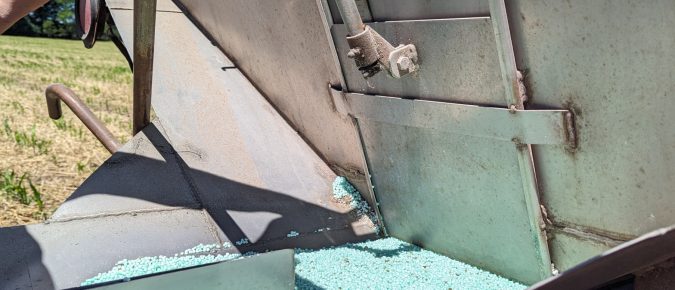
Rianne Wagner discusses phosphorus fertilizer enhancement products and whether they add value or just cost.
Chris Bandura shares early results from a statewide project evaluating nutrient uptake and removal in alfalfa fields across Wisconsin, with a focus on improving fertilizer recommendations and potassium management.
Kevin Jarek covers alfalfa and corn silage conditions across Wisconsin, including drought impacts, yield and quality observations, hay markets, storage considerations, and late-season management decisions.
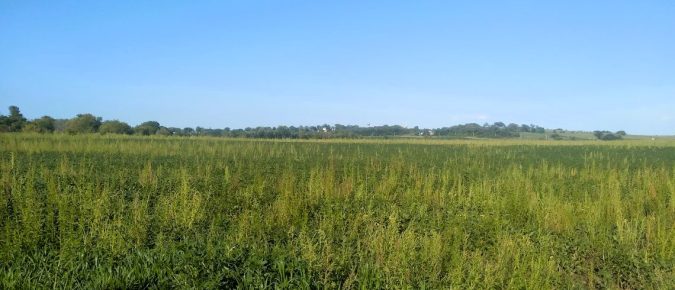
Dr. Mark Renz shares research-based guidance for managing waterhemp in spring-seeded alfalfa.
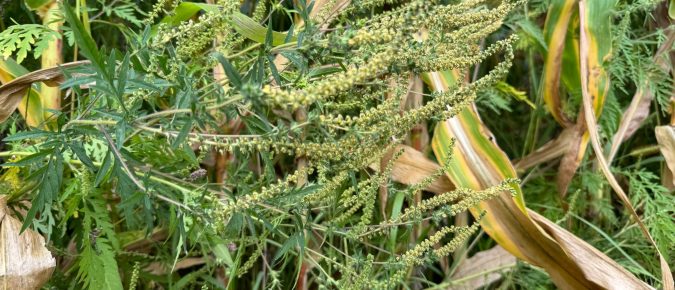
Dan Smith discusses late-season weed management and practices to control weeds, starting with cleaning combines after harvest this year.
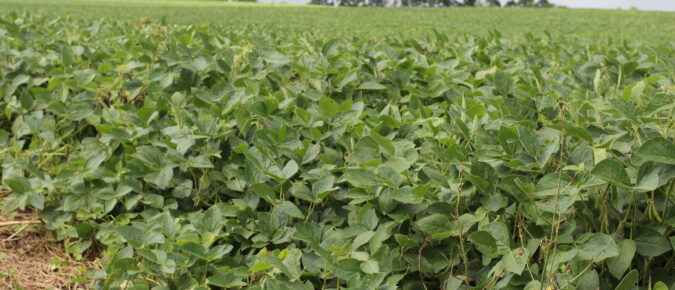
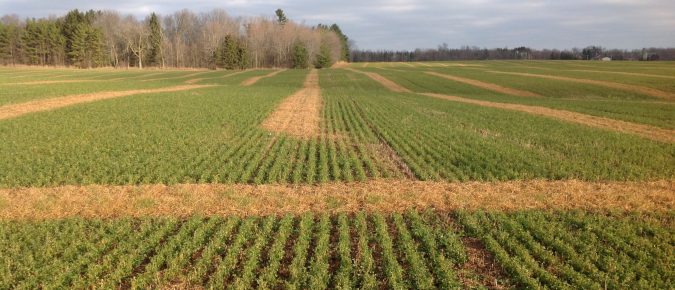
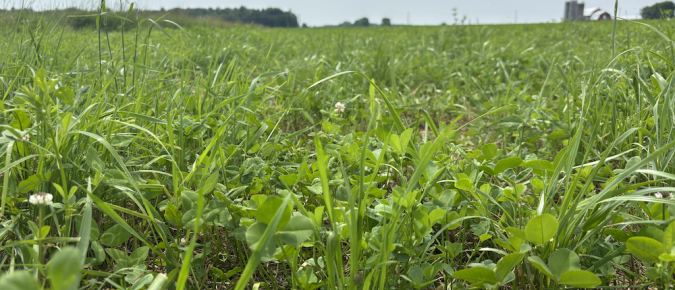
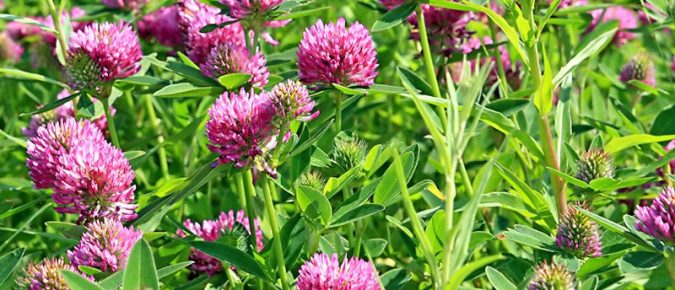
Chris Bandura explores Wisconsin research on berseem clover and other legume cover crops, how nitrogen credits are calculated, and what farmers should consider when using cover crops to support crop nutrition and improve nitrogen use efficiency.
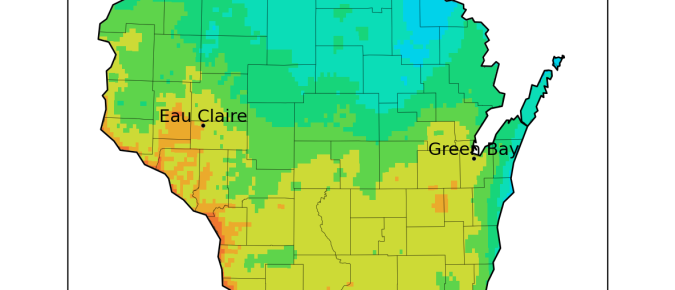
Josh Bendorf gives a mid‑summer weather update that reviews spring temperature and precipitation trends, drought conditions, crop progress, soil moisture levels, and what current forecasts could mean for the rest of the growing season.
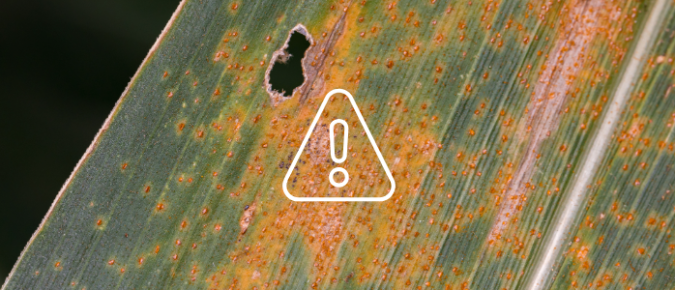
Dr. Damon Smith gives a mid‑season update that covers tar spot in corn, white mold in soybeans, wheat disease risks, fungicide timing, and the first confirmed case of red crown rot in Wisconsin.
Dr. Matt Ruark discusses what’s changing in Wisconsin nutrient management guidelines for corn and soybeans.
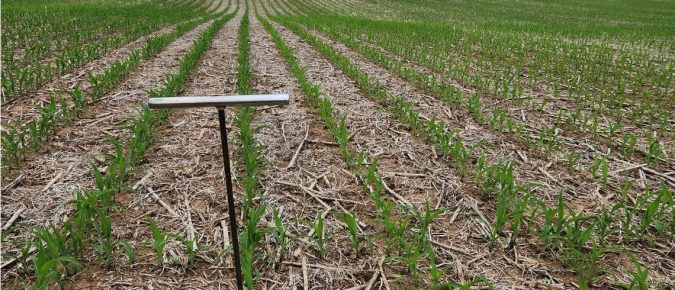
Dr. Rodrigo Werle discusses why post‑emergence weed control is critical for protecting yield in corn and soybeans.
Dr. Jingyi Huang explores emerging sensor technologies that measure soil nitrate, moisture, and temperature to help farmers better understand nitrogen availability, nutrient losses, and crop needs throughout the growing season.