

Weather and climate conditions this week in Wisconsin
Here are this month’s take-home points about the weather. Scroll down for the full downloadable report.
Current Wisconsin weather and climate conditions
- It was an active week for precipitation in WI, especially in the west-central region (2-4″). Most of the state had at least an inch of new precipitation.
- Temperatures were seasonal across the state last week, with conditions leaning above (below) the climatological average in the east (west)
Impact
- Soil moisture conditions remain driest in the south, but rains last week helped alleviate dryness in the west.
- >97% of the state is drought-free, with the remaining D1 coverage in the far SW.
- Corn and soybean planting are underway (1% and 2% complete, respectively) limited somewhat by cool and wet conditions (Source: NASS)
- Wildfire risk is low to moderate across the state. Check DNR map daily for the latest updates on risk.
- Wisconet soil temperature readings down to 20” depth are at or above freezing statewide. Frost is all but gone statewide
Outlook for Wisconsin weather and climate
- Another active week for precipitation is predicted for the state. Chances are once again highest in the west/southwest.
- As we wrap up April and begin May, probabilities are leaning towards warmer and drier than normal.
- The month of May looks more uncertain for temperatures and precipitation with equal chances for above, near, or below normal.
Agronomic considerations
- Field Work and Conditions
- Soil temperatures to 4″ still cool, ensure temps are reaching 50°F at a minimum before planting. See Wisconet. Also note upcoming insurance dates.
- Avoid trafficking fields in moist conditions to prevent compaction and rutting.
- Consider preplant nitrate tests to assess nitrate levels before fertilizing.
- Avoid fertilizer applications in wet and cool conditions. Nitrogen loss is greater in wet conditions.
- In drier regions of the state, consider earlier termination of cover crops to retain soil moisture if conditions remain dry.
- Manure Applications
- Reminder of Wisconsin’s NR 151 Runoff Rules with the timing of manure spreading and current runoff levels. Check DATCP Runoff Risk Advisory Forecast.
- Pest Management
- Start scouting fields by foot to note any early emerging weeds.
- Ensure temperatures (day, night, and soil) are conducive for herbicide applications. Pre-emergent herbicides require moisture for activation.
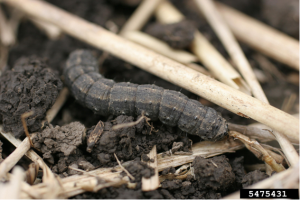
- Be observant of black cutworm and true armyworm moths migrating to the state. Check trap catches in your region with the DATCP Pest Survey.
- Forage Management
- Check existing alfalfa fields for signs of winterkill (Evaluating stands).
- New alfalfa seedings can germinate at 32-34°F; most of the state is past low temperatures being dangerous for new seedlings.
- Small Grains
- Assess winter grain stands and fertility needs. Reports of winterkill have been reported in Central Wisconsin and north.
- Specialty crops- Vegetables
- Consider the timing of cover crop termination to help manage cabbage maggots. Cabbage maggots overwinter in Wisconsin. When the flies emerge, they are attracted to fields with high organic matter. If possible, terminate and incorporate cover crops 2-3 weeks before planting to reduce the attractiveness of these fields as egg laying sites.
- Start scouting for black cutworm migrating to the state with weather fronts. Check trap catches in your region with the DATCP pest survey.
- Reference the Vegetable Disease and Insect Forecasting Network (VDIFN) to know what diseases and insects to be scouting for in your area.
- Specialty Crops- Fruit
- Rain in the past week has driven disease infection events for several fruit crops. Reminder: Many protectants will wash off after 1 inch of rain. Refer to Wisconsin Fruit News for the latest updates.
- Fruit growers can reference the NEWA weather station network for past and forecasted disease infection events. Check out your nearest weather station:
- Fruit growers may consider hanging white or yellow sticky cards for tarnished plant bug. Scouting may begin for early-season lepidopteran larvae as well.
If you would like to obtain a PowerPoint copy of this report, please email rue.genger@wisc.edu.